4.5/5

Writer, director, and editor Cooper Raiff’s coming-of-age dramedy about a 19-year old struggling to adapt to college life seems like a series of red flags; unassuming male protagonist, possibly creepy behavior as romance, stoner roommate, and whatever else you might be tired of seeing in indie and mainstream features about young adults in college. Surely IFC Films would know better than to bother with this tripe. A glance at the trailer, however, reveals a pleasantly surprising poignancy and intimacy from a cast and crew who all have a lot of heart. Considering the conception and completion of the film took place while Cooper Raiff was all of 23-years old, Shithouse is a remarkable feat.
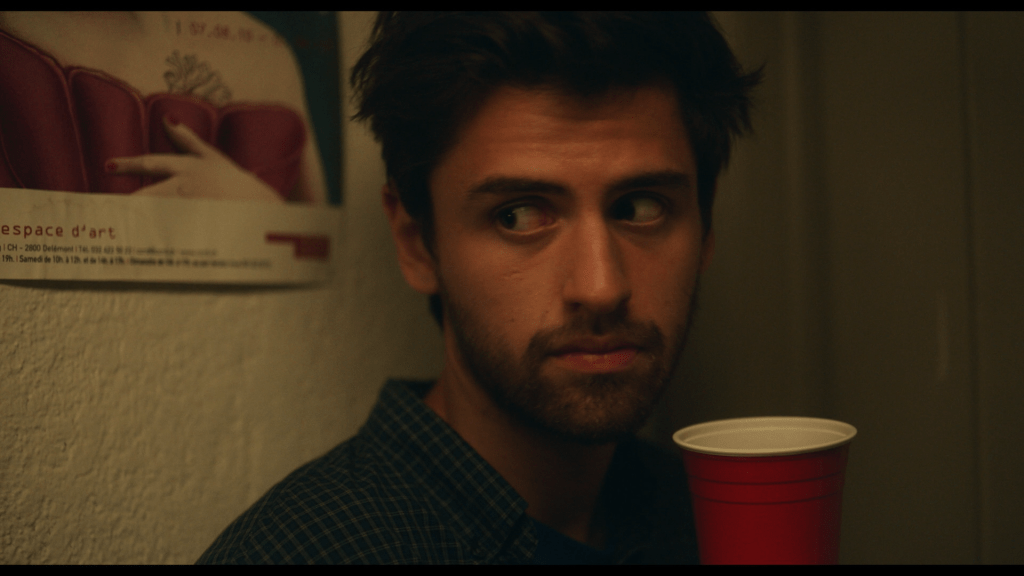
Developed from Raiff’s semi-autobiographical script that was originally made into a short, Shithouse offers a captivating amount of insight into the lives of its characters and a compelling exploration of their emotional development and vulnerability. Much of the value in this motion picture stems from its earnestness, a rare quality in American cinema today apart from the likes of screenwriter-directors Kelly Reichhardt, Andrew Bujalski, Larry Fessenden, Sean Baker, and a handful of others. An earnest film gets far more mileage over mere entertainment value for me.
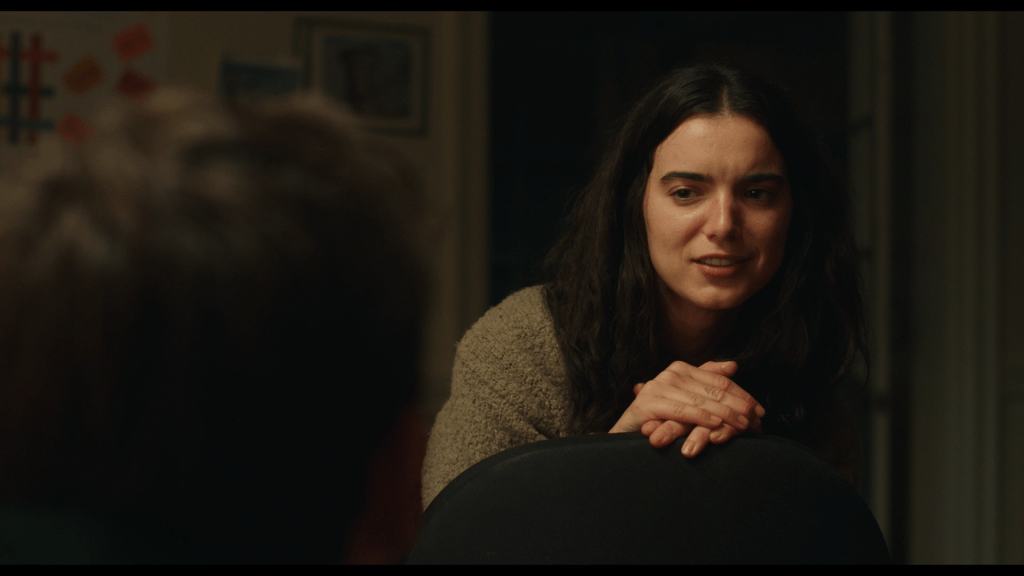
Alex Malmquist is from Dallas, TX and has moved into his dorm at college in California, where he has zero friends. He and his roommate hate each other. His resident advisor, Maggie Hill, is also 19 but appears to have adjusted to the expectations of college life with the typical cycle of binge drinking, casual sex, and emotional unavailability. Their interaction begins when Alex is locked out of his room after a shower but they only get to know each other after Alex chooses to sleep in the common area after a party at the titular location, due to his roommate Sam drunkenly shitting himself whilst sleeping on the dorm room floor. Alex and Maggie awkwardly attempt sex before bonding through conversations about each other and their backgrounds. When morning comes, Maggie is distant and dismissive which leaves Alex confused and hurt but resolved to be on friendly terms.
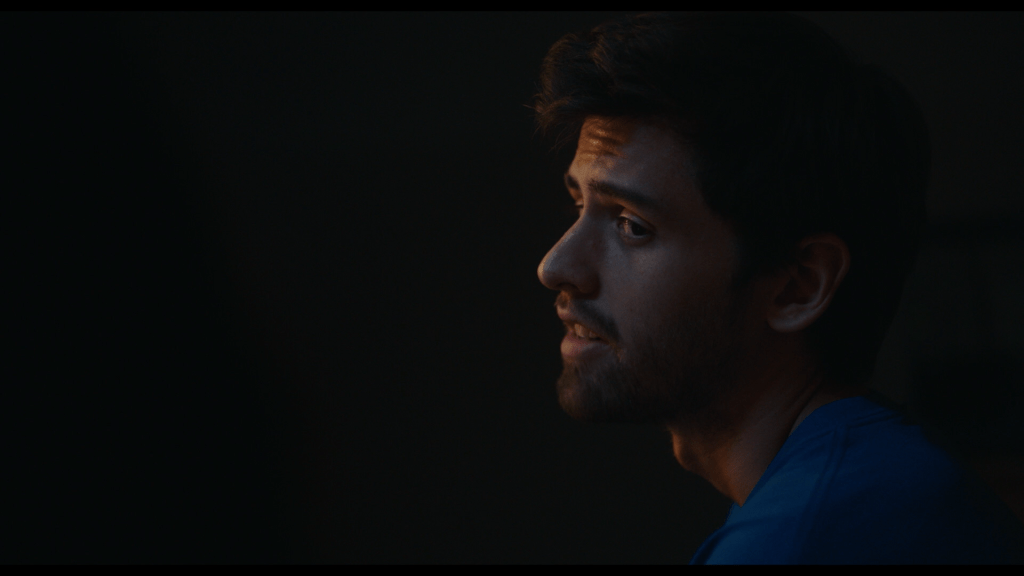
Contrary to appearances, this isn’t a film where a female character is supposed to be flattered to be an object of affection. In fact, it’s a stretch to consider her a love interest at first. Alex is lonely and simply desperate to hang on to the first relationship he has built with someone whilst he is away from home for the first time. There are so many things that could have gone wrong with this narrative, but film refuses to drop the ball. It handles all the characters as complex, motivated, and multidimensional. Alex, Sam, and Maggie are all shown to be coping with their loneliness and insecurities in their own ways, but the film smartly doesn’t revel in this as some sort of grandiose revelation; it’s a simple fact of life because that’s how people are.
OK sure, Alex does like a ton of Maggie’s photos on Instagram and sends her numerous messages. But not once does he act possessive towards her nor does he project his view of their interactions onto her. He’s touched and left impressed by their time together, and hopeful that he has finally gained a friend. She, on the other hand, assumed the night was little more than drunken fun with no meaning or significance to her life, lest the natural conclusion be a romantic relationship which she assumes to be Alex’s intention. Their wires get crossed and the eventual confrontation is inevitable given their different family backgrounds and levels of self-awareness. That the characters come together again the way they do is a beautiful moment and one of the film’s tender scenes that could have been overly sentimental but is instead moving and cathartic.
Shithouse has a gracefulness to its proceedings that it is steeped in subtlety and astuteness. The dialog doesn’t have the showy air of “screenwriting” common with new filmmakers intent on showing you how smart they are; a lot of it is awkward and playful the way freshman and sophomore college students would be. More than anything, its charm lies in its frank attitude and minimalism. Alex is shown multiple times crying while on the phone with family, a pretty wondrous feat given depictions of masculinity in American pop culture. A 19-year old male is crying because he misses his parents and siblings several states away and it’s not meant to be ridiculed or imply weakness or failure, he just loves his family. How did it take this long for filmmakers in this country to grapple with reality in that way? Another aspect to win me over was that when Alex criticizes Maggie for her carefree approach to sex, he doesn’t demean or degrade her, instead he questions how she can reconcile her nightly routine with her desire to find out who she is like she said she wanted to do. There’s a moment where Sam encourages Alex to step outside of his comfort zone, and the essence of the film is in that line. Sam gets high and drunk to stay in his comfort zone, Maggie is afraid of romantic and artistic rejection, and Alex calls his family nearly every day to feel a sense of security. There is no deus ex machina to fix their shortcomings, which they don’t realize they have until they open up to each other. A film with this many opportunities to be run of the mill but instead chooses to go off the beaten path isn’t just daring, it’s an important work.
Several pieces on the soundtrack are original scores by independent artist 0fret. The instrumentals become motifs of sorts and are heard prominently at several points. There is also a song by Waxahatchee heard, but for the most part the film is a quiet affair. Whether it was because of the limited budget, or Cooper Raiff wanting to concentrate on his storytelling, it was the right move.
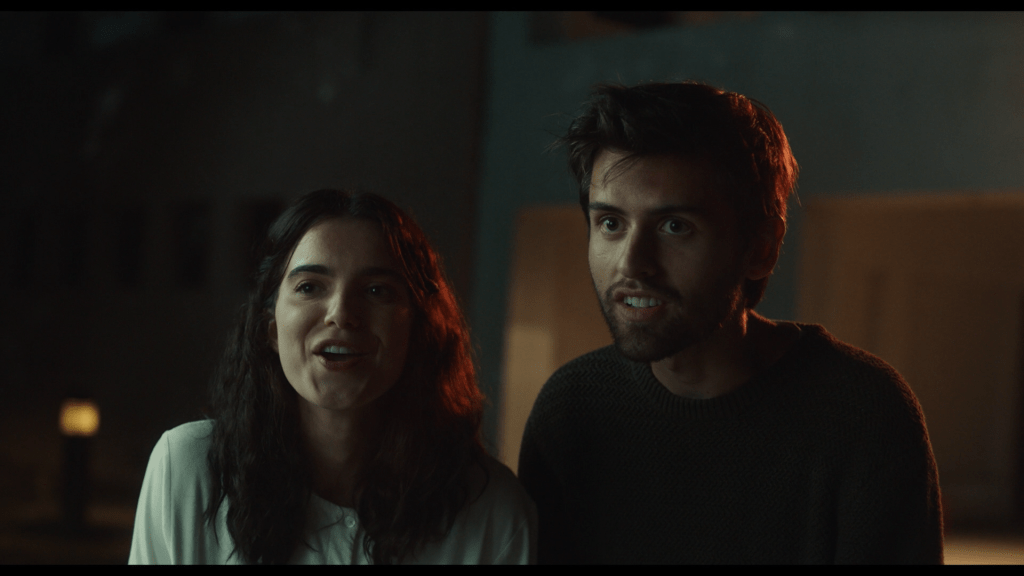
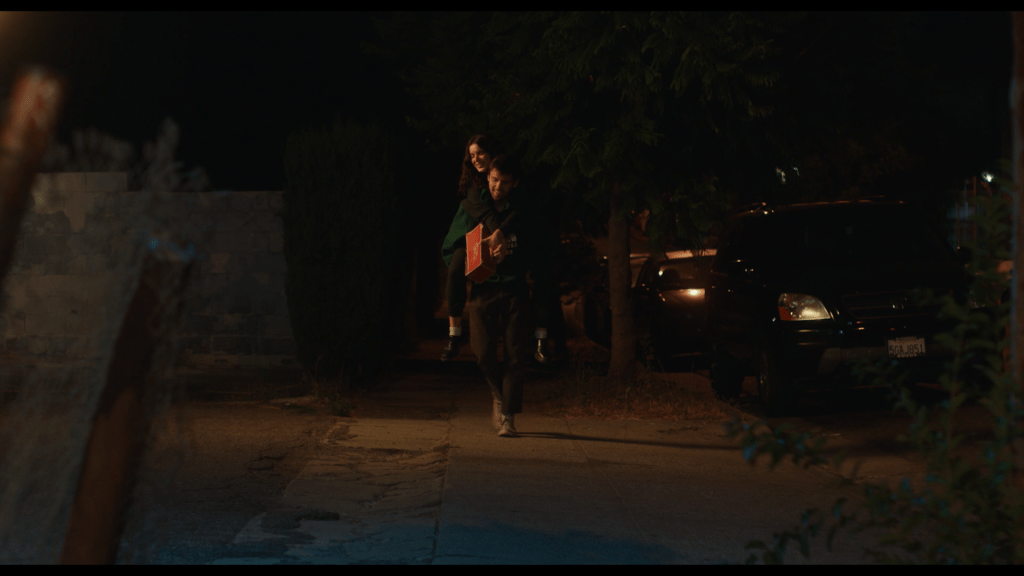
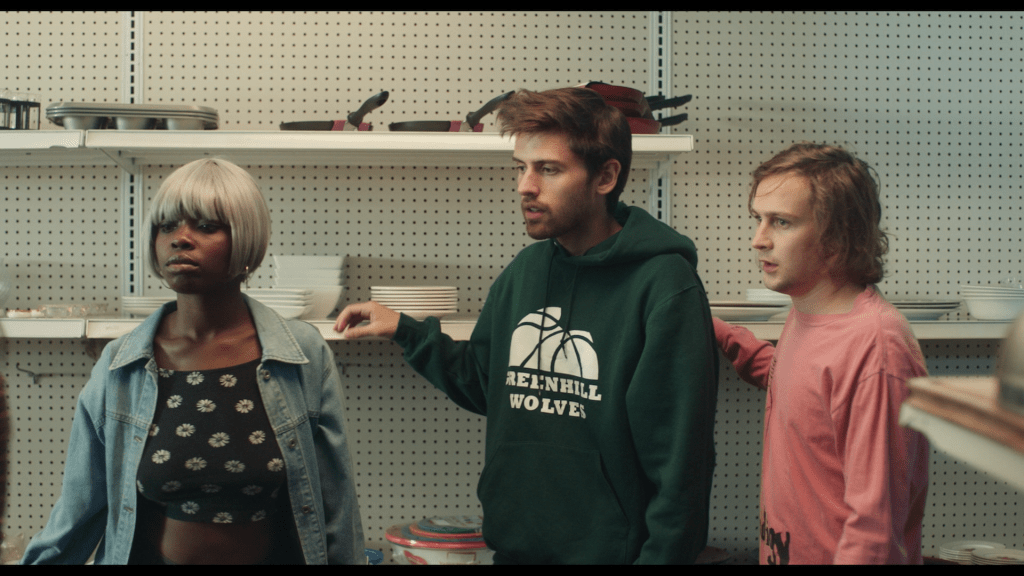
Cinematographer Rachel Klein really nailed the nighttime photography, and a bulk of the film’s events occur at night and outdoors. A number of wide shots go against the grain by showing characters together, and the closeup shots are utilized when they’re isolated. I don’t know if every technical aspect of the film was planned or resulted from happy accidents, but plenty of people behind the scenes here managed to make a lot of smart moves and have proven their artistic credibility and know-how. The supporting cast as well could have just been throwaway parts to help develop the protagonists, but they all contribute their own personas and qualities. Big budget features are still not casting actors of color either because of claims that there aren’t many to be found or because audiences abroad will reject them, but a movie by a first-time filmmaker shooting on a $15k budget somehow finds three black actors and gives them not only important roles but also makes them central to the plot and/or subplots instead of stereotypical variations of the help. Raiff and co. haven’t just showcased their talent, they’ve shown that everyone else is making excuses like incompetent assholes do.
It may not be a film that expands our understanding of humanity the way Bresson or Tarkovsky would have made, but it’s generous with its empathy and patience, and that’s the next best thing. I could argue that more filmmakers should follow Cooper Raiff’s lead, but then the fact that they don’t is why Shithouse is such a wonderful picture. Whatever he’s planning next, I’m waiting and definitely watching.
Shithouse
99 minutes
2020
Written & Directed by Cooper Raiff
Cinematography by Rachel Klein
Distributed by IFC Films
 The Seeming and the Meaning
You must be logged in to post a comment.