1987: When the Day Comes (2017)

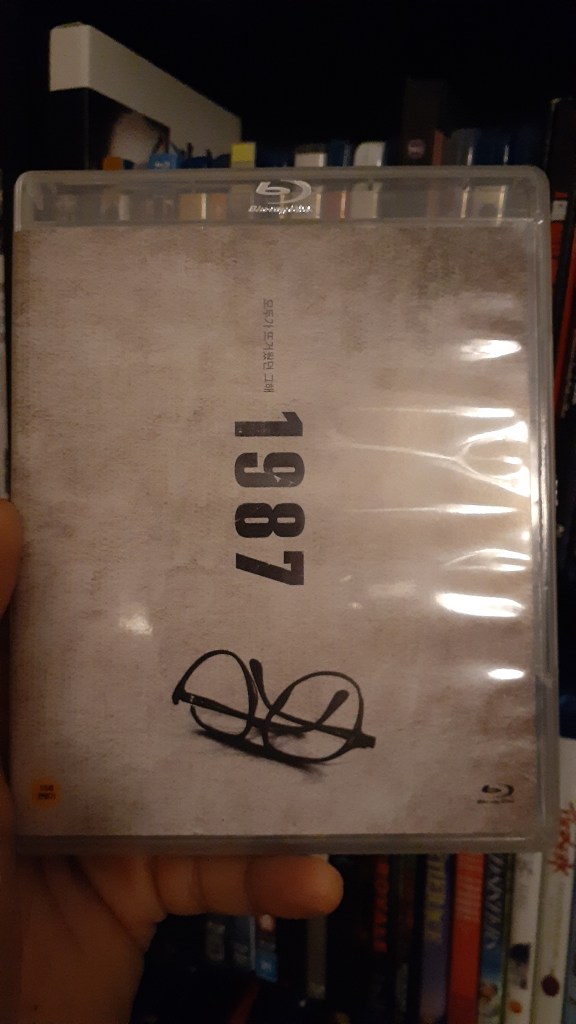
The Gwangju Uprising occurred on 18 May 1980 and was a focal point of Korea’s democratization; A Taxi Driver was set during that day. 1987: When the Day Comes takes place during the lead up to the June Struggle, which lasted from 10 June 1987 to 29 June 1987, and resulted in the end of Chun Doo Hwan’s regime. The Gwangju Massacre led to an increasing number of university students becoming democracy activists and protest for democratic reforms throughout the 1980s. The military dictatorship, of course, wasn’t having any of it and branded any government critics “subversives,” “traitors,” “North Korean spies,” etc, to justify extrajudicial killings of dissidents. 1987 is another Korean film tackling this history and dramatizes events when necessary but is based more or less on real people, although unlike A Taxi Driver, 1987 is far more respectful to the history and people who shaped Korea’s progress toward political reform.
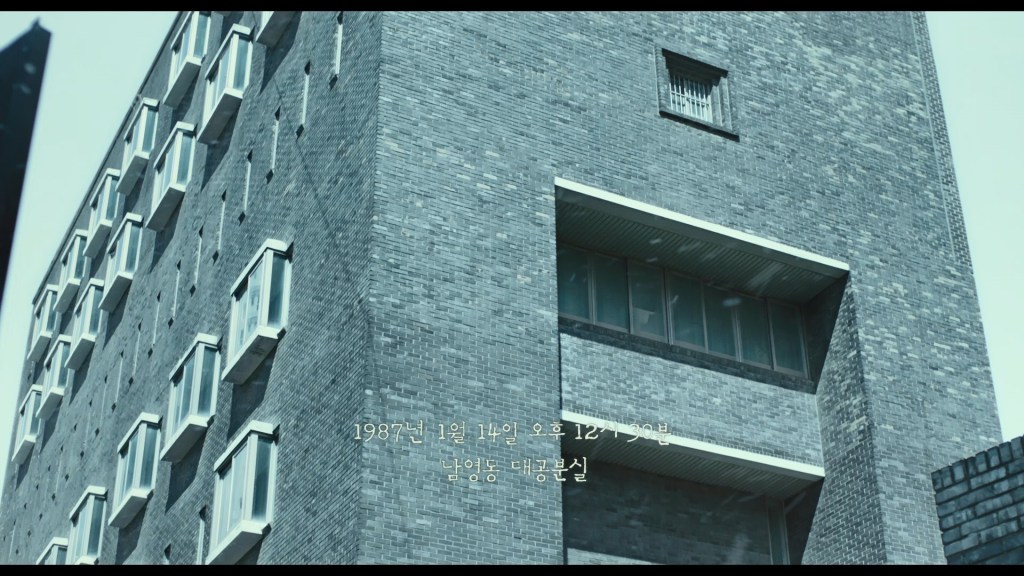
1987 opens on 14 January 1987, in the immediate aftermath of Park Jong Cheol’s murder by the Anti-communist Division stationed in Namyeong-dong, Yongsan-gu, Seoul. Park was a real-life student activist galvanized by the Gwangju Massacre. He was arrested during an investigation and tortured for information regarding the whereabouts of fellow activists. Refusing to yield after multiple waterboarding sessions, the Anti-communist Division tried water cure instead and drowned him in a bathtub while mockingly singing the Korean national anthem. The division attempts to initiate a cover up by first calling a doctor to resuscitate him, and when this fails they resort to attempting to rush a cremation before notifying Park’s family. This backfires when prosecutor Choi Hwan notes how suspicious (and illegal) this is and refuses to sign off on the cremation.
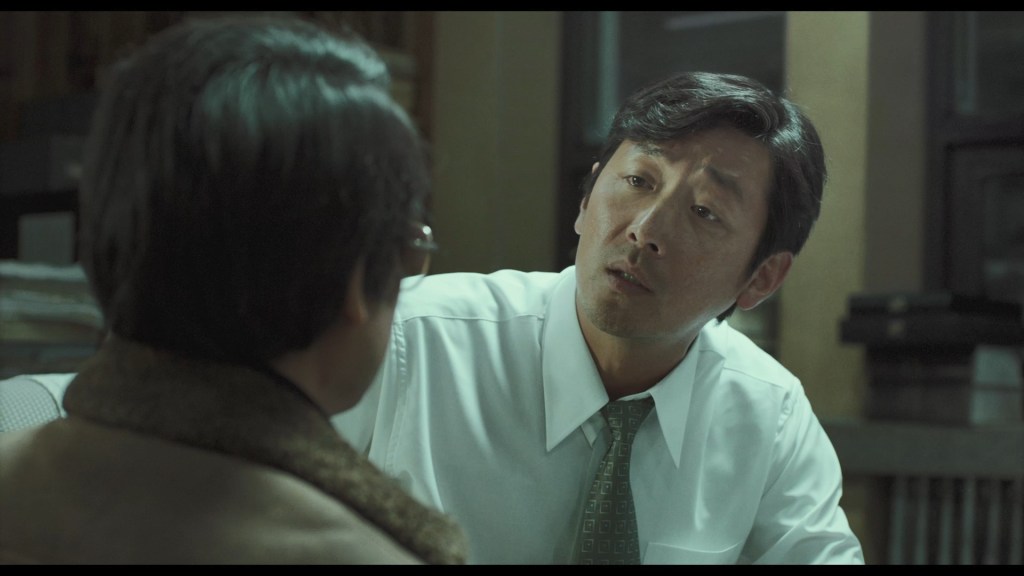
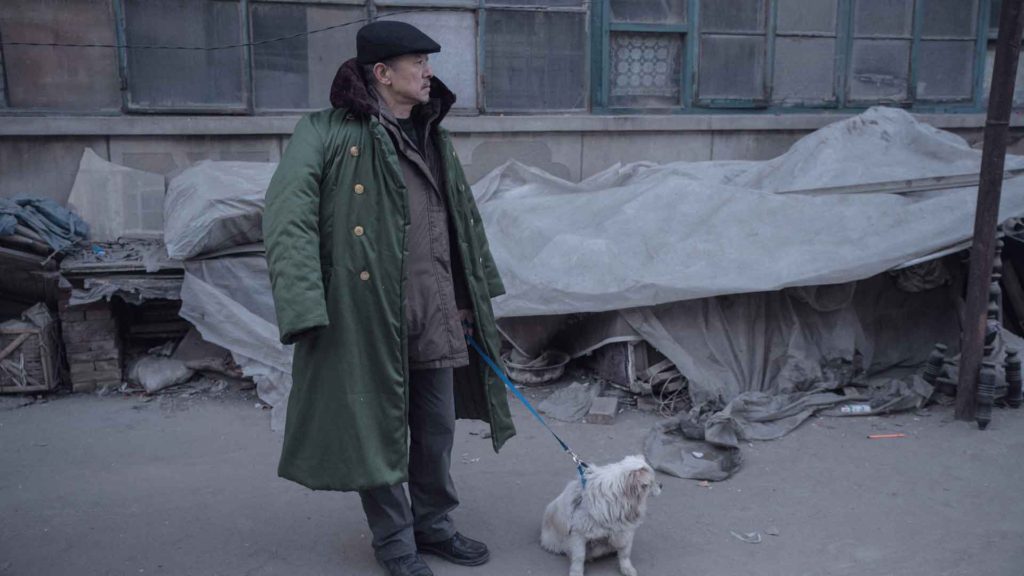
Ha Jung Woo as Prosecutor Choi Hwan

From this point, the film begins a deft mix of historical drama and political thriller. The mix of fictional characters and characters based on real people is commendable. The head of the Anti-communist Division, Park Cheo Won, is dedicated to eradicating opposition to the political regime. What’s interesting here is that the film doesn’t attempt to humanize him or sympathize with him or his zealotry, but does provide a glance at his complexity. He is a villain, for sure, but he escaped from North Korea. It’s strongly hinted that his increasingly erratic statements about protestors and actions geared toward “wiping out commies” stem from a post-traumatic stress disorder due to the atrocities he witnessed and survived in the North, but the film recognizes that his fear of evil does not excuse his own evil acts.
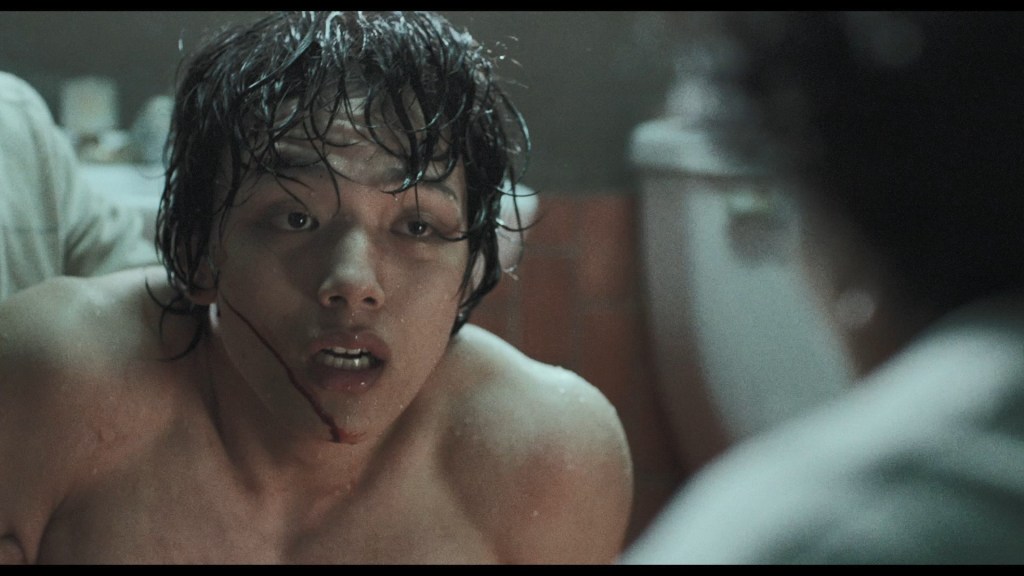
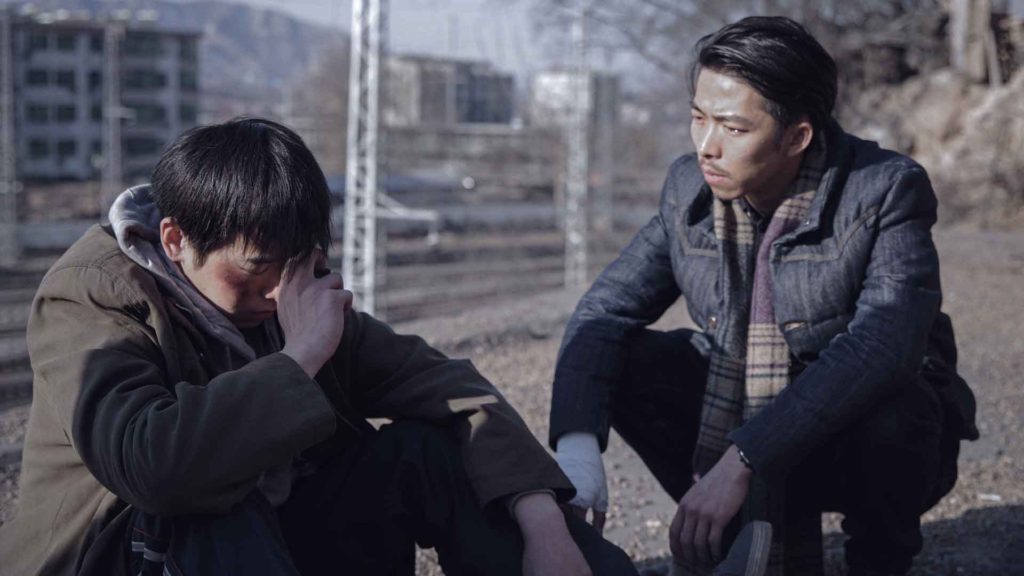
Yeo Jin Goo as Park Jong Cheol

There’s plenty of room to relate this to all manner of political analogues: the Kuomintang initiating the White Terror in Taiwan after the 228 Incident, for one. From 19 May 1949 to 15 July 1987, the KMT murdered or disappeared at least 30,000 Taiwanese dissidents with the excuse that the goal was to eradicate communist sympathizers. The oppression of Palestine by Israel is often defended with citations of a unique need for proactive security because of the Holocaust. In the US, the Red Scares and the vilification of the the Civil Rights and anti-war movements are still felt today, where conservative quarters continue to suggest that even the Kent State Massacre was justified because of alleged communist ties.
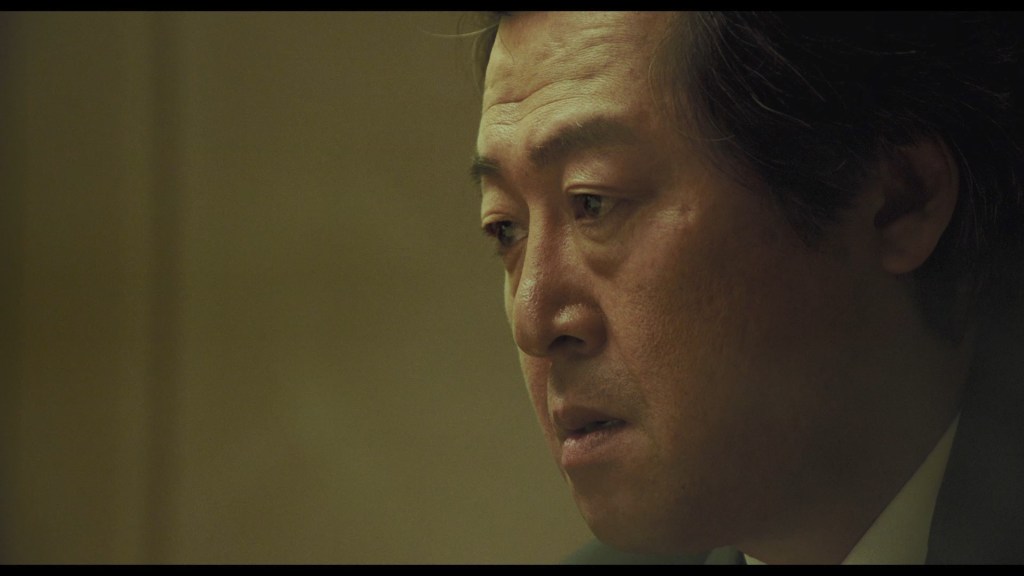
Kim Yoon Seok as Commissioner Park Cheo Won

Park Cheo Won’s character is perhaps the most central of characters, by virtue of the ever-watchful eyes of his Anti-communist Division and the fact that his playing loose with law has far-reaching consequences for almost every other character. His characterization is particularly noteworthy because despite his self-assurance and statements of only doing what’s right in the interest of national security, he is more than willing to fabricate evidence of communist ties when his subordinates murder people who have turned out to be innocent. He also does not hesitate to order the destruction of records when he worries about their discovery.

Kim Yoon Seok’s performance has just the right amount of disturbing. His scenes are mainly medium closeups and extreme closeups that center his emotionless gaze. His only concerns are killing government critics and saving his career after he kills one too many people; he convinces two lackeys to take the fall for the murder of Park Jong Cheol to take the heat off himself. I’m reminded of Max Hubacher’s spectacular performance in The Captain, a German film about war criminal Willi Herold who, after deserting from the German Army, began impersonating a Luftwaffe officer and ordered the mass execution of deserters at Aschendorfermoor prison camp.

Lee Hoo Joon (left) as Reporter Yoon Sang Sam

The film makes a great effort to show that this wasn’t a case of a single person toppling a corrupt authority. Mass demonstrations were important, but they fed off the reports from journalists like the character Yoon Sang Sam who refused to follow military-imposed censorship guidelines. His own tenacity for justice was partly fueled by his witnessing Choi Hwan’s arguments with police as well as the military’s rough treatment of Park Jong Cheol’s family, in addition to government officials changing their stories several times when giving press conferences about Park Jong Cheol’s death. Everything bounces off each other like some sort of volatile pinball machine and the film never becomes a mess with all the details to follow.
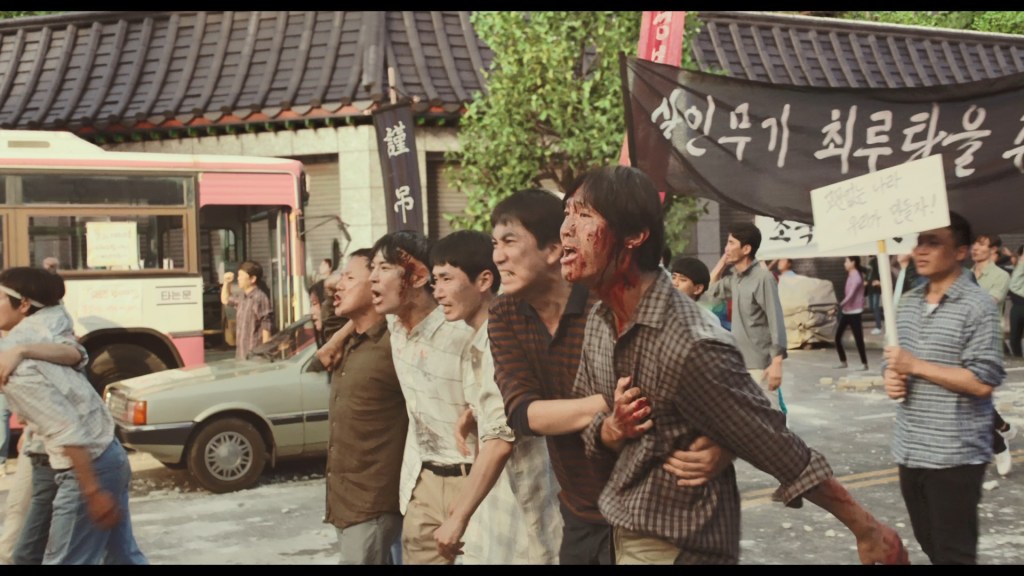
We do not get such heightened intimacy with the camerawork for other characters, and thankfully so. After being pressed so forcefully close to Park Cheo Won, the other characters’ scenes give us room to breathe with medium and wide shots that still provide glimpses of their personal lives. Mostly, the camera only intrudes closer when the other characters are interacting with each other. The outdoor shots, in particular, offer a stunning display of virtuoso wide shots and crane shots.
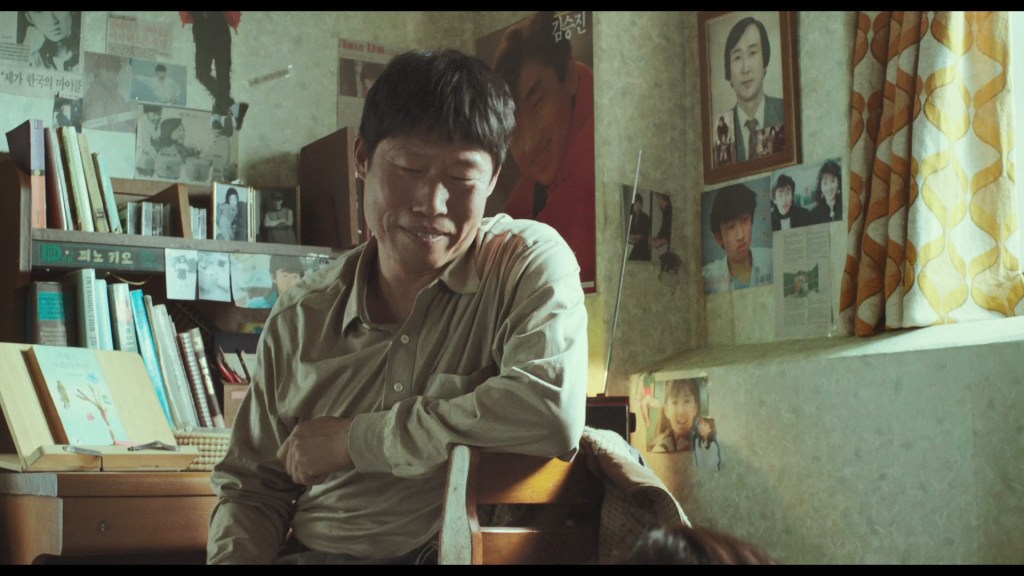
Yoo Hae Jin as prison guard and democracy activist Han Byung Yong

Han Byung Yong works at the prison where a number of activists are held, and works to relay messages between the ones locked up inside and the ones who remain hiding on the outside. Yeon Hee, a fictional character, is Han Byung Yong’s niece and is fleshed out greatly. She’s into the currently popular music, studies hard, banters with her best friend, and eventually paves the way for the audience to be introduced to Lee Han Yeol, whom she crushes on after he intervenes to save her from corrupt riot police. Surprisingly, she never becomes subservient to his narrative despite his importance.
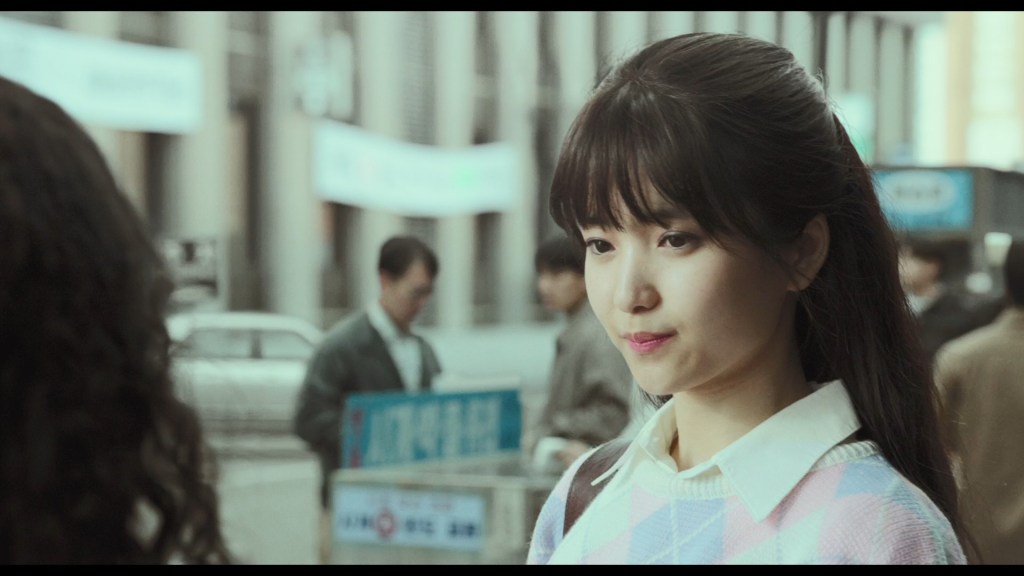
Kim Tae Ri as Yeon Hee

That the film went this route of showing her as an average school girl is admirable, because it could have easily made this about a fictional character who rises to the challenge to be a hero, but the reality is not everyone is meant to be grandiosely heroic. Sometimes, a person’s contribution is small, but even a puzzle is incomplete without the tiniest piece. The best part about the more personal scenes involving her is that the music keeps mainly to an orchestral score when it could have tried to charm its way into hearts with Korean ballads from the 80s. There are so many smart decisions made here that a lesser film would have rejected.
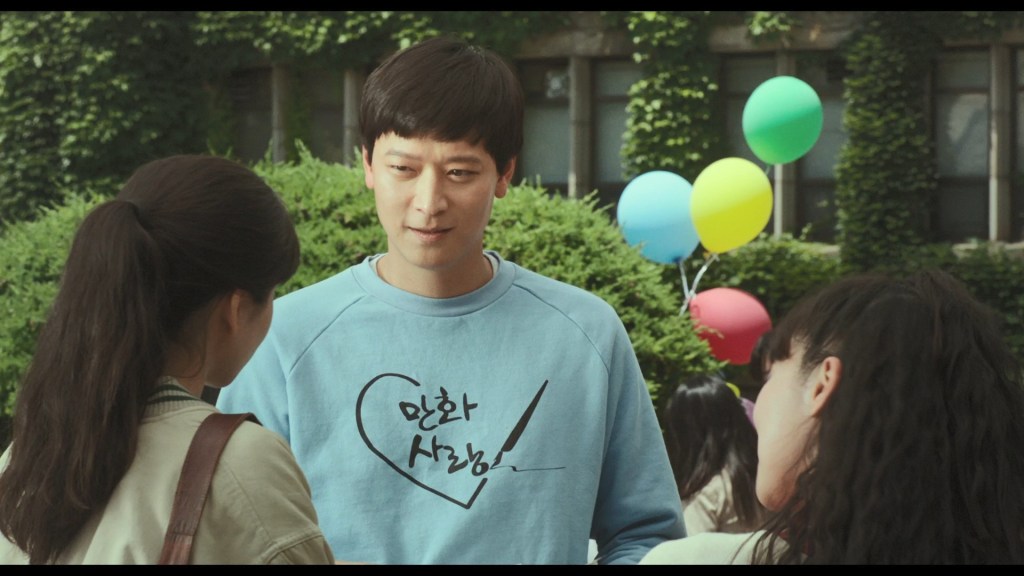
Gang Dong Won as Lee Han Yeol

Lee Han Yeol was another real-life figure and like Park Jong Cheol, a university student who became an activist. While studying at Yonsei University, Lee took part in the 9 June 1987 demonstration. Police quickly began firing tear gas into the crowd and when they dispersed, an officer deliberately aimed at the back of Lee Han Yeol’s head as he was fleeing and fired a tear gas grenade. His skull was fractured and he died 5 July 1987, after newly-elected President Roh Tae Woo issued the June 29 Declaration, promising democratic reforms. In the film, it is his blossoming relationship with Yeon Hee that drives her to risk her safety to help the pro-democracy movement, and in a way, it’s because of this that Yeon Hee’s character shows the most growth throughout the movie. Everyone else has their convictions and beliefs already, and they stand firm in them, whatever they are, but Yeon Hee comes into her own as painfully and reluctantly as any student who had never been politically active before could be expected to. For a Korean blockbuster, this attention to detail and level of realism is rare.
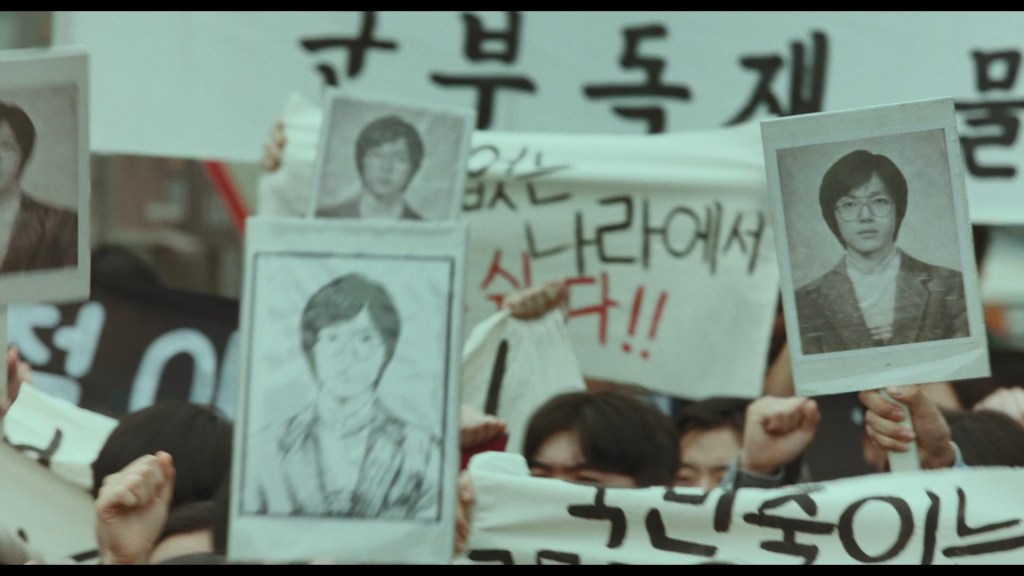
Going back to my comparison with A Taxi Driver, 1987 is its polar opposite in tone. There are no one-liners or monologues insulting the audience’s intelligence here. No one narrating their feelings before they are seen and astoundingly, no overwhelming score to cue you in to the emotional stakes. Despite being slightly over 2 hours, this is a fast-paced film that the director, Jang Joon Hwan compared the structure of to a relay race. That’s definitely an apt comparison. Basically, we follow a character do something and then we swap to another character as the general consequences of the previous action influence the next action for each character.
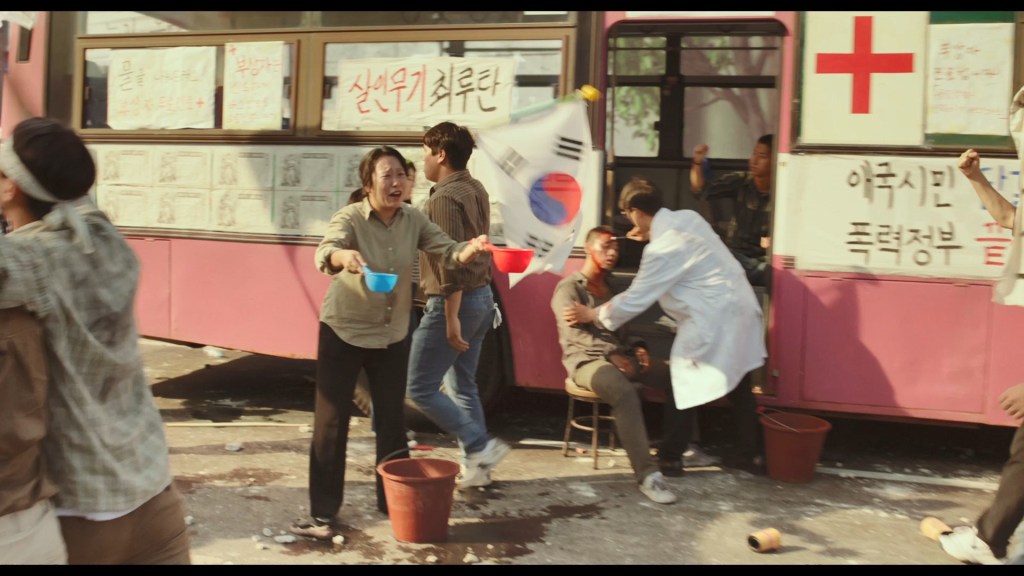
If A Taxi Driver prefers convenient sensationalism, 1987 cherishes cohesive characterization. The film gets so much right and very little wrong, especially with regards to tone. This is a film that not only cares about but also respects the people whose stories it’s telling, and avoids cheap theatrics. Because there is such a large number of characters, the film unapologetically rewards attention and concentration, and this is a major step in the right direction for commercial Korean cinema. I’m still looking for an excuse to watch this again instead of conquering the pile of as-yet unwatched movies still accumulating in the corner.
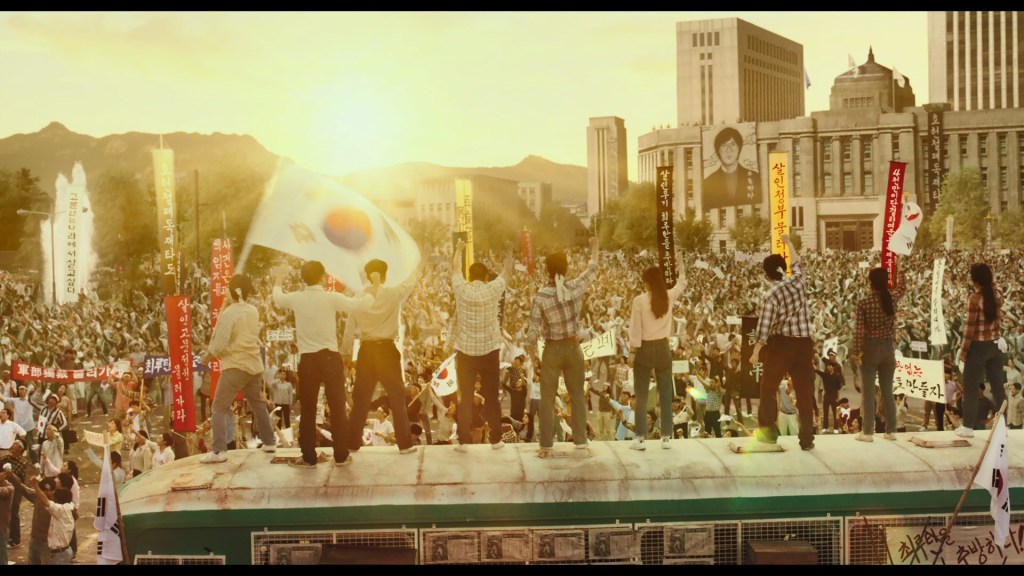
4.75/5

1987: When the Day Comes
129 minutes
1.85:1 AR
In Korean with English subs
Dir. by Jang Joon Hwan
Cinematography by Kim Woo Hyung
Released 27 December 2017
Korean production
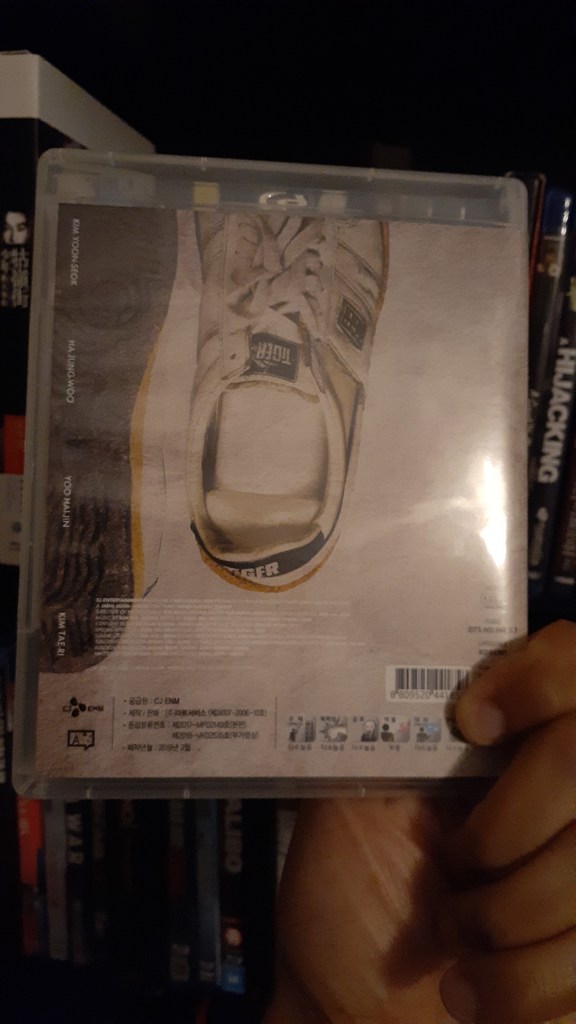
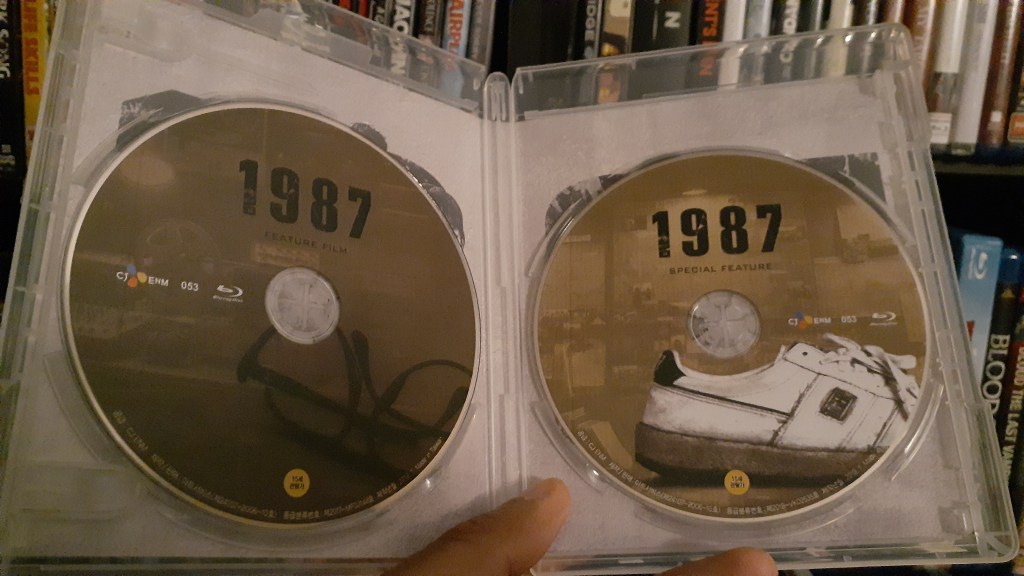
Blu-ray Disc from CJ Entertainment
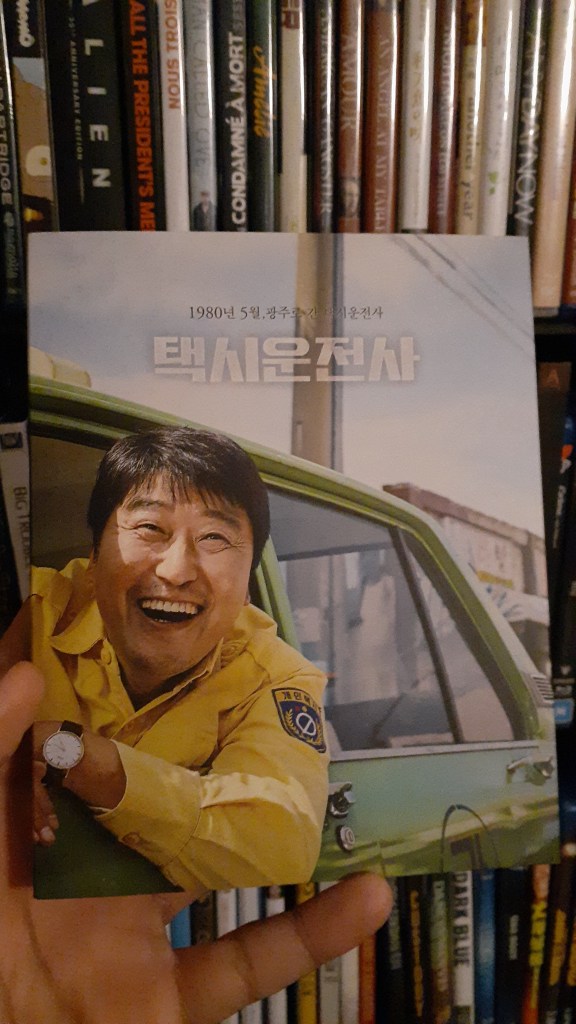
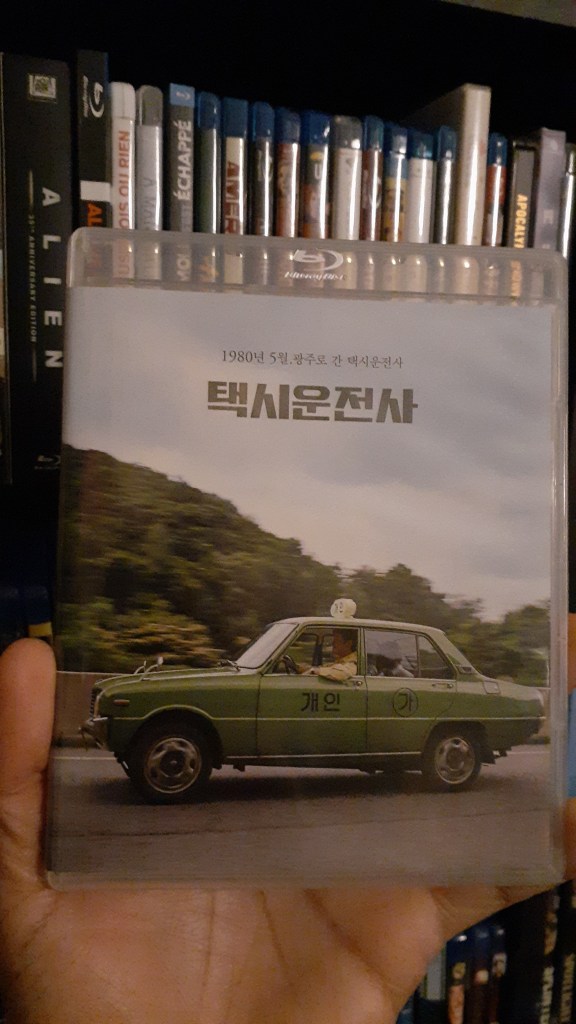
A Taxi Driver (2017)

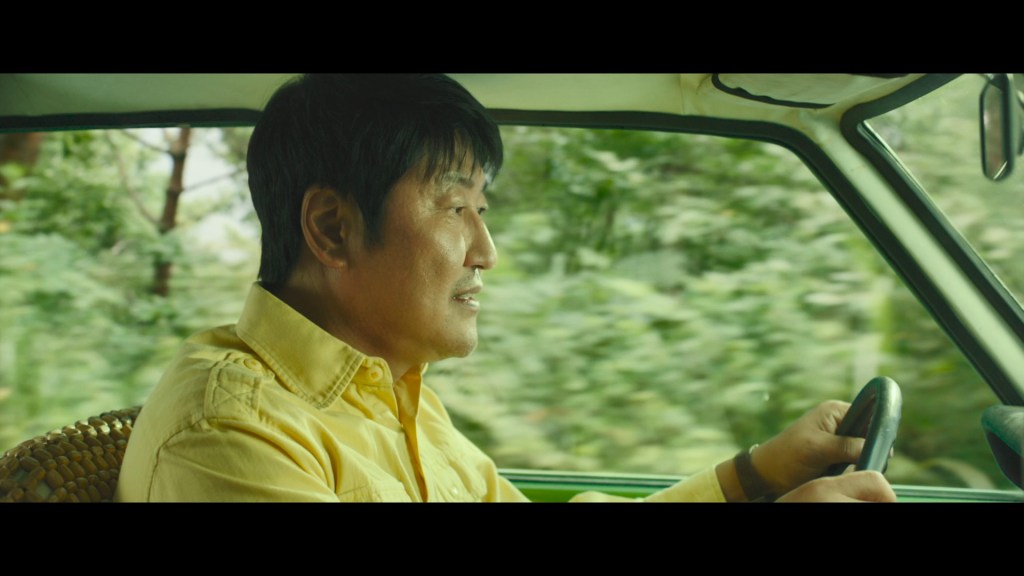
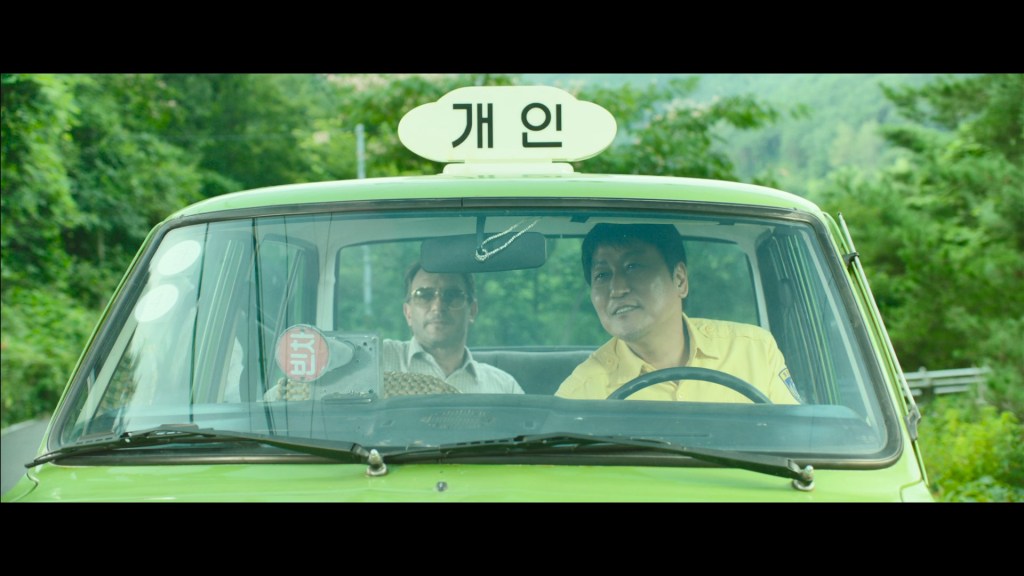
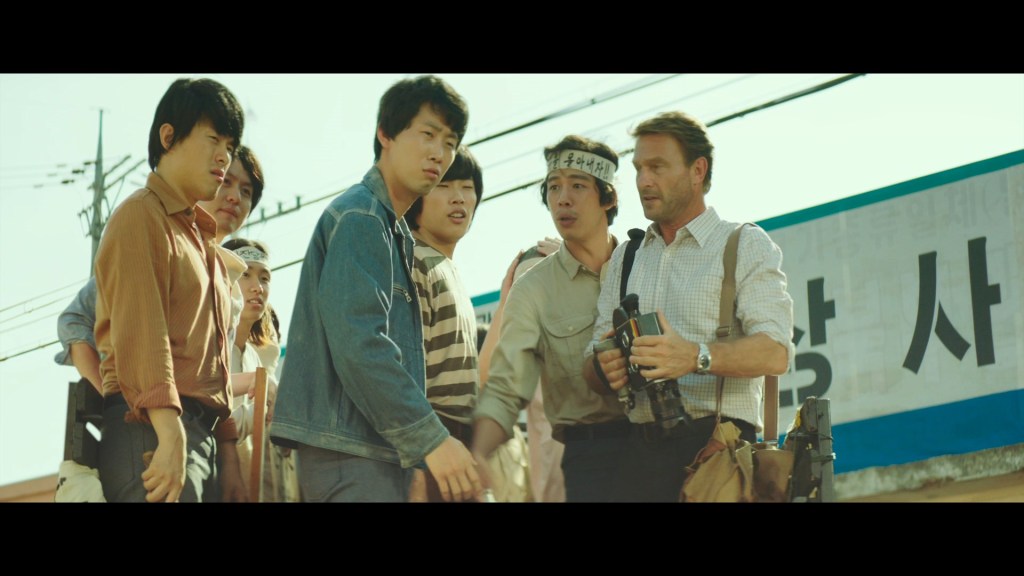
Based on the true story of an unknown taxi driver who drove ARD reporter Jürgen Hinzpeter into Gwangju so that he could cover the Gwangju Uprising in 1980, A Taxi Driver is a historical drama about the nobility of sacrifice and our shared humanity.

So, this Korean film A Taxi Driver. I have a lot of things to say about it as a moviegoer and also as an outsider viewing Korean culture and pop culture, but I want to be concise. Unfortunately, the movie has some serious problems that hamper a compelling narrative and its deeply moving supporting characters. I’ll try not to stumble throughout.

I should get out of the way that I’m not a huge fan of Song Kang Ho’s commercial fare. I often find his comedy (and that of some other Korean actors) unconvincing but I do like his more dramatic work like in Age of Shadows. But anyway. The lead roles are Song Kang Ho as the taxi driver Kim Man Seob and Thomas Kretschmann as journalist Jürgen Hinzpeter. Song Kang Ho, unfortunately, plays yet another bumbling, bitter coward of a man who narrates his emotions for the audience (this is probably his 1,342nd time in such a role). You realize Kim is unlikable not because he is shown doing unsympathetic things, but because he monologues about how he doesn’t like or understand the protests currently underway and that people should always do what they’re told, obviously no passengers in his taxi at this point. In Song Kang Ho’s defense, I’m also not much of a fan of director Jang Hoon. In fairness, Korean cinema has long had a problem grasping the concept of “show don’t tell” so the problems here are not unique to the film.

Eventually, Kim manages to scheme his way into driving this yet-unnamed German reporter because the driver who was originally booked decided to brag at lunch about the exorbitant fee promised for driving the journalist into Gwangju. While it’s a credit to the film that the focus stays on the taxi driver and his relationship with the journalist rather than making it an overt “Western man saves Korea” that Hollywood would have turned it into, it’s at this point the big cracks start to show.

For starters, the film itself just doesn’t seem to take the May 18 Gwangju Democratization Movement all that seriously. Kim Man Seob continually injects half-hearted acerbic comic relief into scenes but there hasn’t been a setup that requires relief yet, and even if there was, the backdrop of these events is a protest movement where university students were massacred by South Korea’s military dictatorship. It’s one thing to aim to be cathartic, but the drive to create an entertaining movie heavily diminishes the later impact of showcasing the bravery of the protestors and the bonds of their community.

The lack of a somber tone throughout the film until the climax results in an overbearingly schmaltzy direction. A Taxi Driver wants to be a feelgood movie, but it’s centered around a topic that is impossible to feel good about. The roads to democracy and justice are bloody and the film instead wants to use Kim Man Seob’s antics as the focus rather than his character. It’s already established he’s greedy, so why does he need to try to hoodwink the Gwangju taxi drivers over an hour into the film? While he does eventually experience some character development, the convenience of it happening in the last half-hour is a disservice to the people the story is based on and to the audience. There’s also the fact that characters all around him sacrifice for each other, and for him, selflessly, but his greed and bitterness are still punchlines to try to maintain that feelgood tone. “Oh, some university students got shot in the face, but here’s Kim tripping while trying to sneak away and the noise it makes gets him roped back into helping the survivors. Haha! Here he is again naively willing to collaborate with the military when everyone else knows they’ll be killed either way.” Hinzpeter is risking his life and career to get footage of soldiers massacring protestors out of Korea, the students are risking their lives to plead for democracy, the Gwangju taxi drivers willingly share their food and resources with Hinzpeter, the students, and Kim simply out of solidarity, while Kim takes everything for granted. This makes the payoff of his growth worth more at the end, but it’s a journey that should not be as cringe-worthy as it is thanks to his incessantly obnoxious behavior and ignorance.

Eventually, his character development starts and he redeems himself, but the lead up to that was shaky and not wholly connected. A climactic chase scene results in unanswerable questions about how he could have been tracked for so long and how others knew exactly where to meet up with him, but it’s forgivable in context because maybe the other drivers were following him from a distance and they do, after all, know the roads of Gwangju better than him since he’s from Seoul.

Now, it’s not all negative. The shots in the interior of the taxi do an excellent job conveying the forced closeness of Kim and Hinzpeter; cramped but not quite claustrophobic. Physically close but emotionally distant due to distrust and a language barrier. The soundtrack never overpowers scenes as is typical in these types of films. The dialog except for Kim’s early monologues never feel forced or soapbox-y. The film does a great job establishing that none of these people are saviors or superheroes; they were ordinary folks who did extraordinary things because they believed it would further a cause that was just. Even Hinzpeter at one point loses hope and considers quitting before Kim encourages him to continue. Many of these people did not live to see the benefits they sought for society; the last half hour of the film is where the storytelling really shines because it seemingly takes that long for the film to appreciate that historical reality of the Gwangju Uprising and the risks people took to resist the dictatorship.

Overall, this is a story that needed to be told somehow, but choices should have been made to tell the story with more reverence for the subject matter. I may be slightly biased against mainstream Korean cinema’s similarities to Hollywood, but I would still recommend this movie. In fact, I recommend pairing it with another Korean film centered around the events of May 18; 1987: When the Day Comes because that film is broader in scope and also more respectful in its depiction of figures and events associated with the Gwangju Uprising. I might review that one at a later date. A Taxi Driver is an above average film, but worthwhile at least for the historical backdrop and for the deeply moving display of sacrifices the lead and supporting characters make for each other.

3/5

A Taxi Driver
128 minutes
2.35:1 AR
In Korean and English with English and Korean subtitles
Dir. by Jang Hoon
Cinematography by Go Nak Seon
Released 2 August 2017
Korean production
Blu-ray Disc from FNC Entertainment
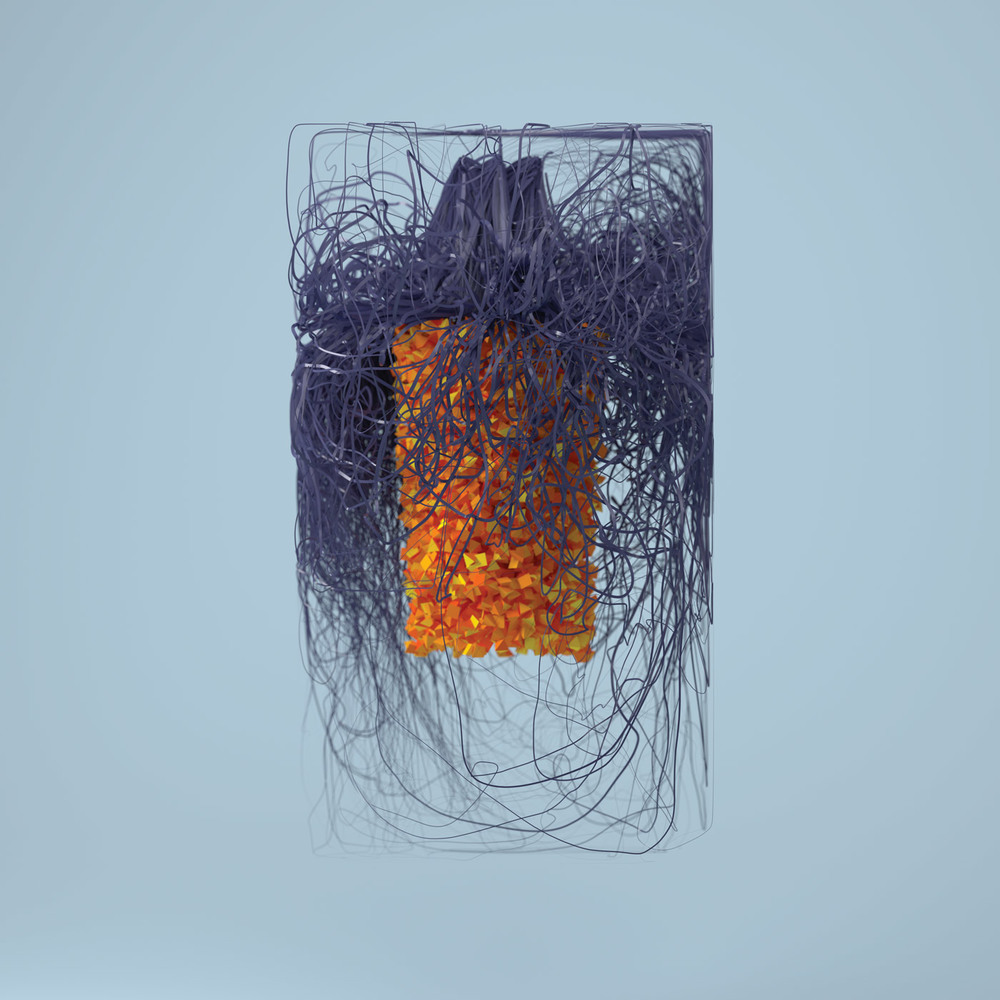
Ikarie XB-1 (1963)

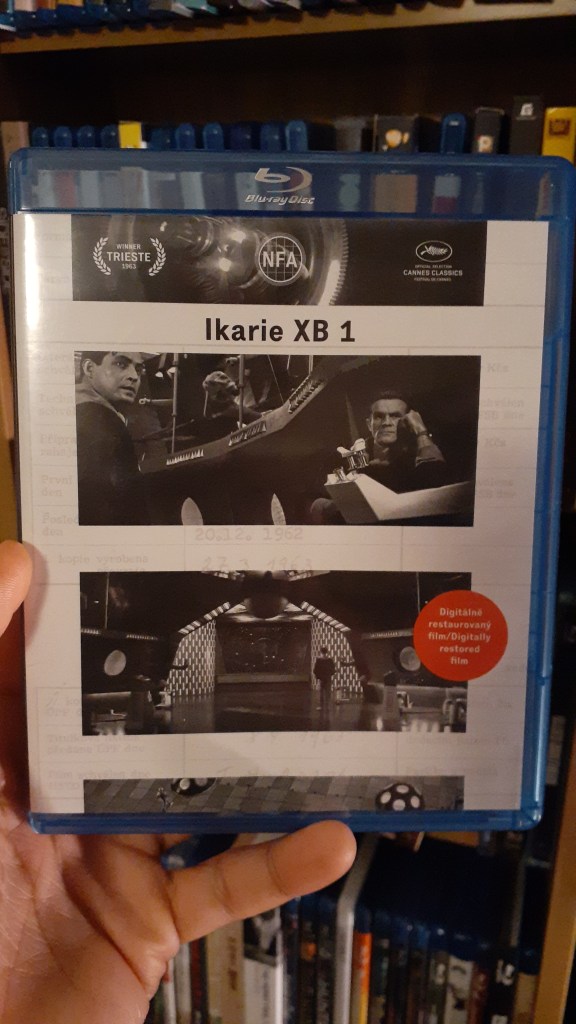
Having finally acquired the blu-ray of this restored Czechoslovak science fiction masterpiece, obviously it was a no-brainer to review this film, which I have only previously seen in its edited form as the American English dub titled, Voyage to the End of the Universe. Exciting!

Charged with investigating the possible existence of lifeforms on the planets within the Alpha Centauri star system, the crew of the Ikarie is a mix of emotions. The film opens with a crew member, Michael, in the middle of a delirious fit whilst some of the other crew are following him through surveillance and using the intercom to coax him into calming down. However, they all have their own priorities but I won’t spoil them. The core of the story is that each character is struggling in their own way to adapt to their time in space for their own specific reasons.

The technical work here alone is worth serious discussion. There is a considerable amount of alternating between closeups and wide shots; the former for the crew watching others from the control room, and the latter when the crew are moving around the halls on personal business. Generally, you would expect the opposite because of the impersonal vs. personal behavior of the characters, but this subversion works as a sort of comment on the characters perhaps prioritizing trivial things to the exclusion of serious matters.
The costume design is incredible due to the fact that it doesn’t completely date the film. Were it not for the special effects and the manner of speech, the film’s aesthetic design could be chalked up as intentionally evoking the 1950s in the same way as the Fallout video game series. As opposed to the ridiculously overblown costumes of American scifi works from the same period, people are wearing suits, dinner jackets, dresses, and trousers (a point made even more clear when the crew encounter another ship), as opposed to the typical Hollywood 60s scifi outfits that were caught somewhere between deep sea diving-chic and protective gear for people who for some reason might choose to hurtle themselves towards moving boulders. When the space suits come out, it’s a different story, with the suits resembling miniaturized forms of Robby the Robot, but it’s not too comical even if you get that reference. It’s a nice touch and really emphasizes the humanity and banality of the characters, despite their extraordinary task.
The sound design and score remind me of Delia Derbyshire’s Doctor Who theme, that sort of obviously new at the time and clearly electronic but not hokey at all. If anything, it makes me think of the retrofuturism and amorphism of Broadcast or the later keyboard-driven works of Stereolab. The sound effects are definitely 60s, but the diegetic and non-diegetic music (the former of which is showcased early on in a sorta-kinda rockabilly dance scene that’s well worth the price of admission) are more in line with minimalist drone works and neoclassicism. It’s nothing that’s going to make you think, “Oh this was totally made in 1963” and it’s a nice reminder of why this movie was so great even if US audiences didn’t get to appreciate its pure form.

In the tradition of great scifi works, the film is more concerned with its human characters and their inner and outer conflicts and the actual science fiction elements form a mere backdrop. This is not a “so bad it’s good” B-movie where people shoot at aliens or run around weird jungle planets. This is an exploration of humanity’s limits, and an observation of how people cope with loneliness and facing many unknowns in extreme situations.

4.5/5

Ikarie XB-1
87 minutes
2.35:1 AR
In Czech with English subtitles
Co-written/dir. by Jindřich Polák
Cinematography by Jan Kališ
Released 26 July 1963
Czechoslovak production
Blu-ray disc from the Czech National Film Archive

Favorite Music of 2019

I’ve been watching a lot of movies over the last week to try and whittle down the pile of movies I’ve bought since Black Friday, and I couldn’t really settle on which one to write about, so I decided to list instead my top albums of the year (and the labels they were released on). Let it be known that I do not spend all my time consuming film. Top 5 are the ones I’ve probably listened to the most.

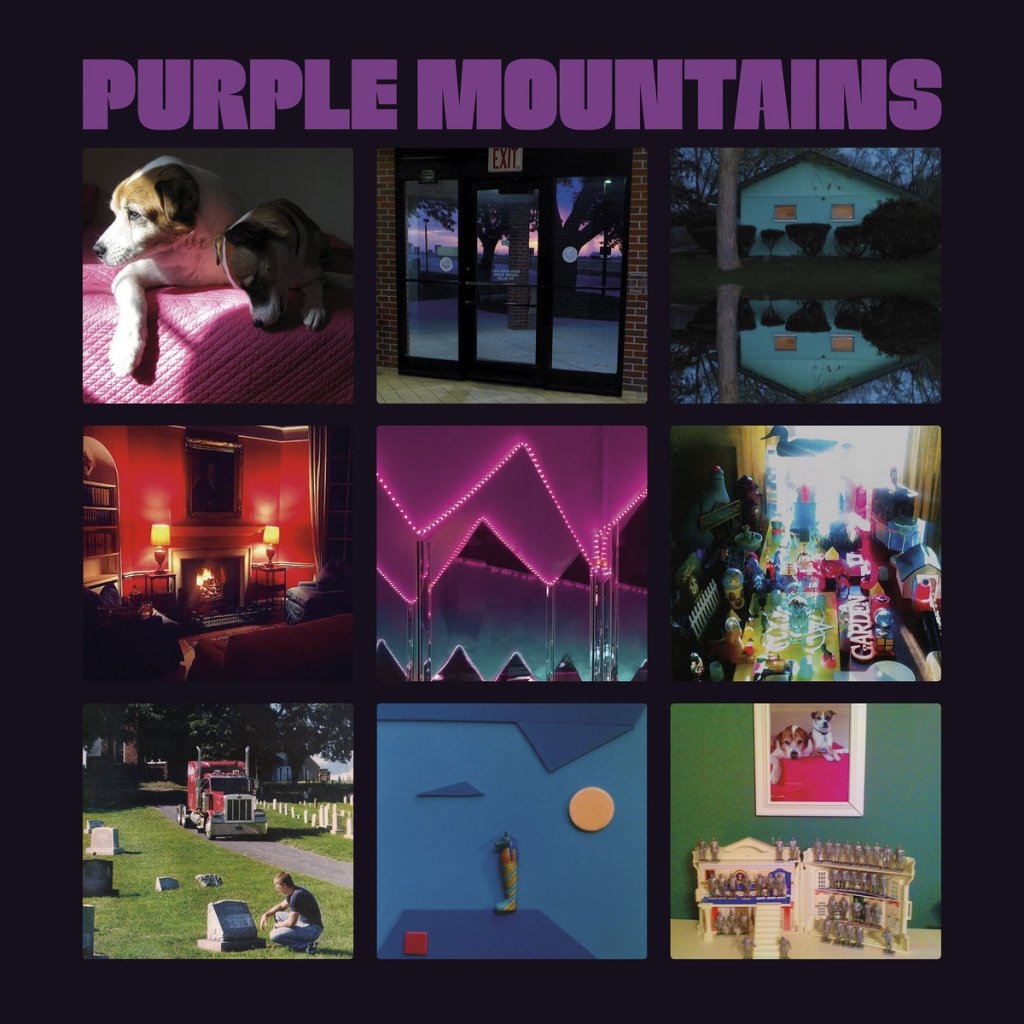
  1. Purple Mountains – Purple Mountains (Drag City)
  2. !!! – Wallop (Warp)
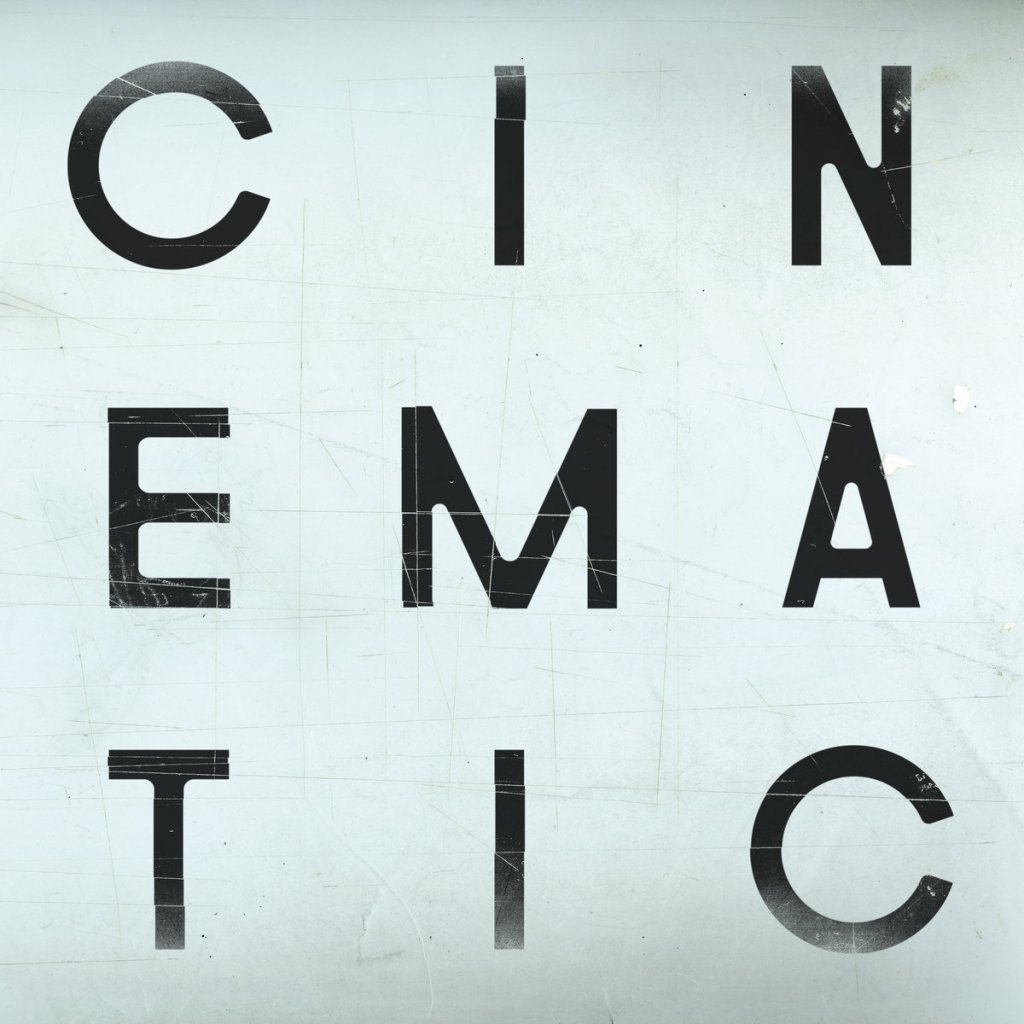
  3. The Cinematic Orchestra – To Believe (Ninja Tune)
  4. Bruce Springsteen – Western Stars (Columbia)
  5. Hump Back – 人間なのさ(VAP)
  6. Sekitori Hana – 逆上がりの向こうがわ (Universal)
  7. Wy – Softie (Hybris)
  8. Sunn O))) – Life Metal (Southern Lord)
  9. Sunn O))) – Pyroclasts (Southern Lord)
  10. Flying Lotus – Flamagra (Warp)
  11. La Bien Querida – Brujería (Elefant)
  12. Plaid – Polymer (Warp)
  13. Aldous Harding – Designer (Flying Nun/4AD)
  14. Hot Chip – A Bath Full of Ecstasy (Domino)
  15. Generationals – Reader As Detective (Polyvinyl)
  16. Danny Brown – uknowhatimsayin¿ (Warp)
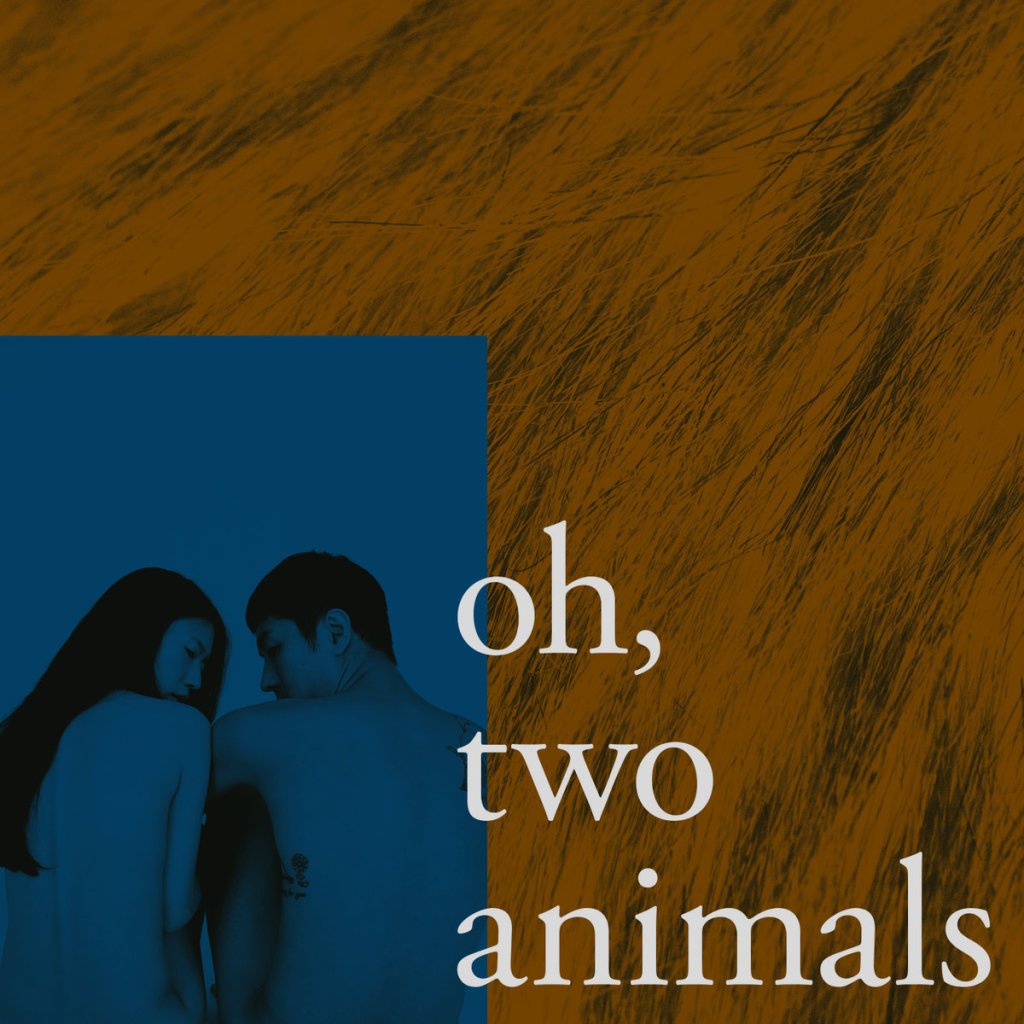
  17. Oh Chill – Oh, Two Animals (Mirrorball)
  18. Battles – Juice B Crypts (Warp)
  19. Turnover – Altogether (Run For Cover)
  20. Friends – HEARTS GIRL (Sony)
  21. Denis Sulta – Aye Spoake Te Sumwuhn & They Listenhd (Ninja Tune)
  22. Cattle Decapitation – Death Atlas (Metal Blade)
  23. Floating Points – Crush (Ninja Tune)
  24. I Don’t Like Mondays. – FUTURE (rhythm zone/Avex Trax)
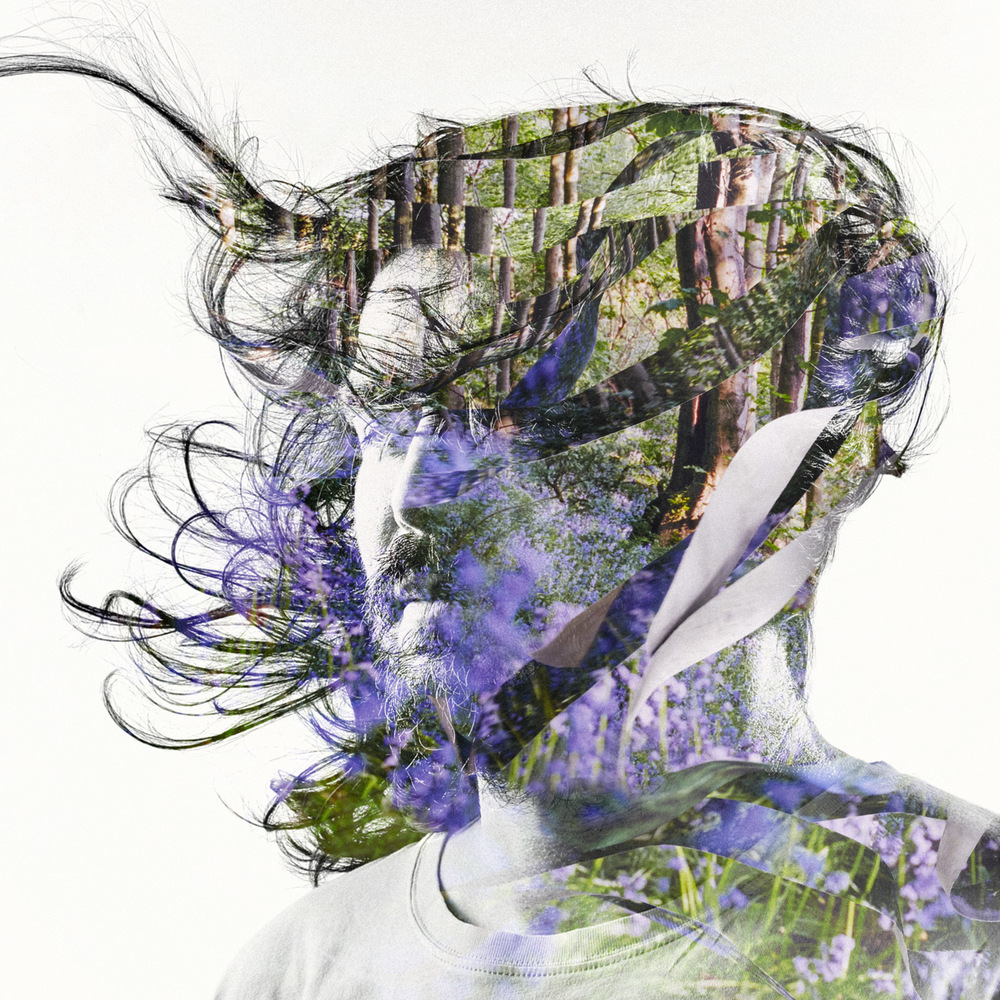
  25. Bibio – Ribbons (Warp)
  26. Shibata Satoko – がんばれ!メロディー (P-Vine)
  27. Tempalay – 21世紀より愛をこめて (Space Shower)
  28. Aimyon – 瞬間的シックスセンス (Warner Music Japan)
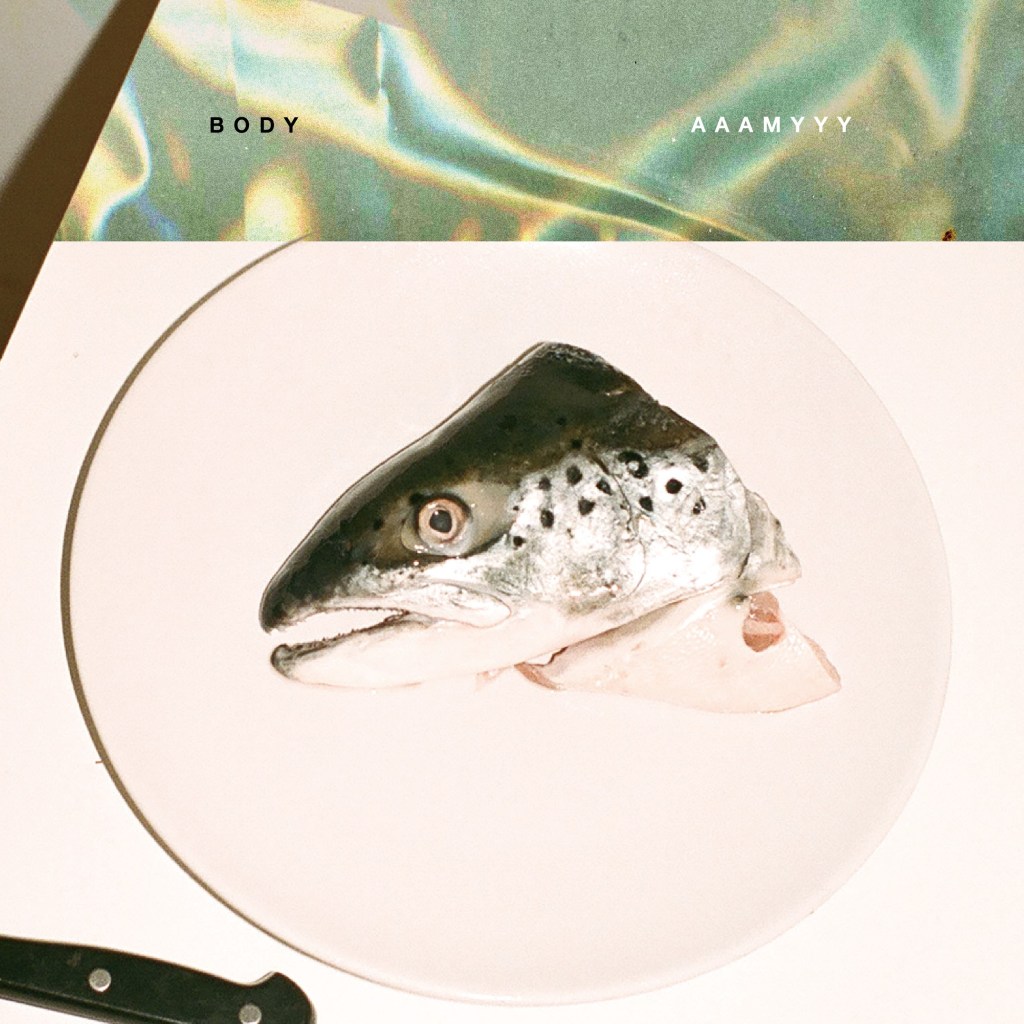
  29. AAAMYYY – BODY (Space Shower)
  30. Ex Hex – It’s Real (Merge)

An Elephant Sitting Still (2018)
This review contains spoilers and references to suicide.
Photos courtesy of US distributor KimStim.

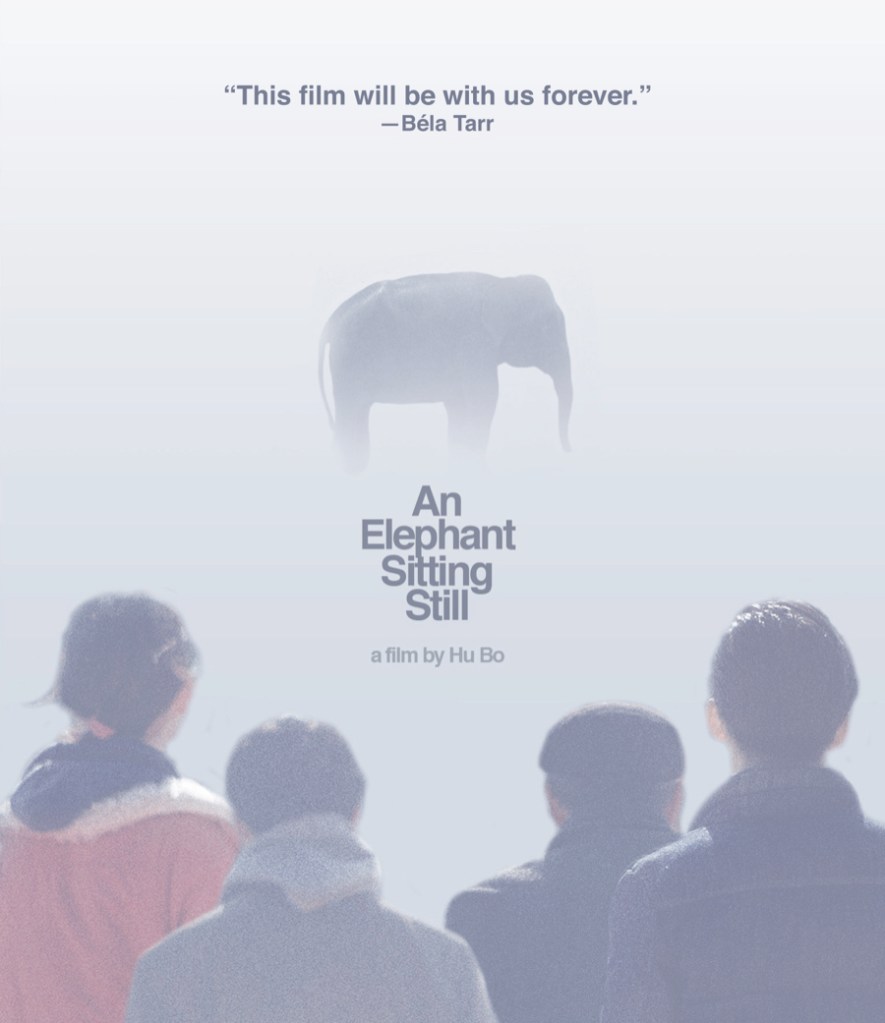
It is impossible to talk about An Elephant Sitting Still without discussing the subsequent suicide of its writer/director, Hu Bo, at age 29. His first and last feature-length film, An Elephant Sitting Still represents a remarkable artistic achievement and an overwhelming tragic loss. Reportedly under stress exacerbated by repeated threats from his producers, Liu Xuan and Wang Xiaoshuai, to cut the 4 hour film to 2 hours or less, Hu Bo killed himself shortly after he finished editing the film. Much like Sarah Kane’s final play 4.48 Psychosis, it is incredibly difficult to not see pieces of the work – if not the whole of it – as the artist’s self-written epitaph or death poem. A bleak depiction of life where the small bursts of contentment, not even happiness, are seemingly also tinged with a fatalist resignation, the film, like Sarah Kane’s swan song, is at once both defined by and resists the trappings of its depressive content. KimStim deserves far more credit than I can give them for being brave enough to release this domestically.
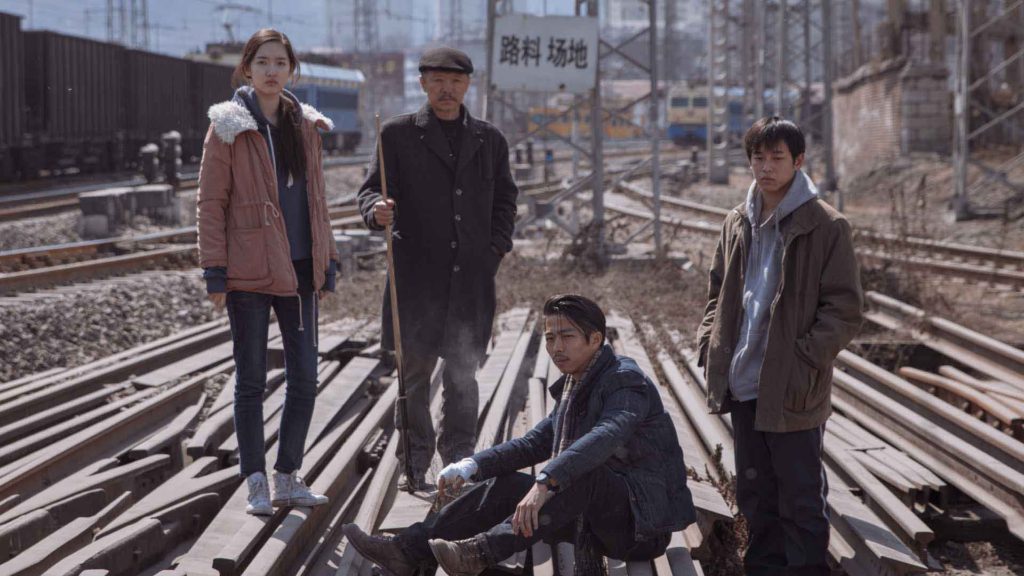
L-R: Huang Ling (played by Wang Yuwen), Wang Jin (played by Liu Congxi), Yu Cheng (played by Zhang Yu), Wei Bu (played by Peng Yuchang)

Yu Cheng has just finished having sex with a woman and is smoking a cigarette while looking out the window of the apartment they’re in. The woman mentions that her husband talked about going to the same zoo in Manzhouli to see the elephant that Yu Cheng apparently brought up during pillow talk; an elephant that does nothing but sit on the ground all day, every day, without any movement. The woman orders Yu to “get lost” but he is trying to arrange another meet. The woman’s husband eventually comes home and turns out to be Yu’s best friend. Yu hides in front of the bedroom closet. Upon finding another man’s shoes in his apartment, suspicious of his wife’s excuses, the husband goes to the bedroom and finds Yu. Without a change in facial expression, Yu’s best friend asks Yu if the shoes are his, and after Yu answers to the affirmative, Yu’s friend simply closes his eyes, clenches his jaw, rubs the bridge of his nose, rushes towards the balcony, and jumps out the window to his death.

Wei Bu has fashioned himself a makeshift weapon out of tape and paper in the shape of a rod. His father is hurling abuse through the bedroom door before Wei comes out to eat a meager breakfast with only the slightest acknowledgement of his parents; his father is already drinking liquor. His mother can’t find her gift card to go out shopping, while his father is screaming wild accusations before ordering Wei to leave home. Wei heads to school while engaging in an act of petty vandalism on the way.

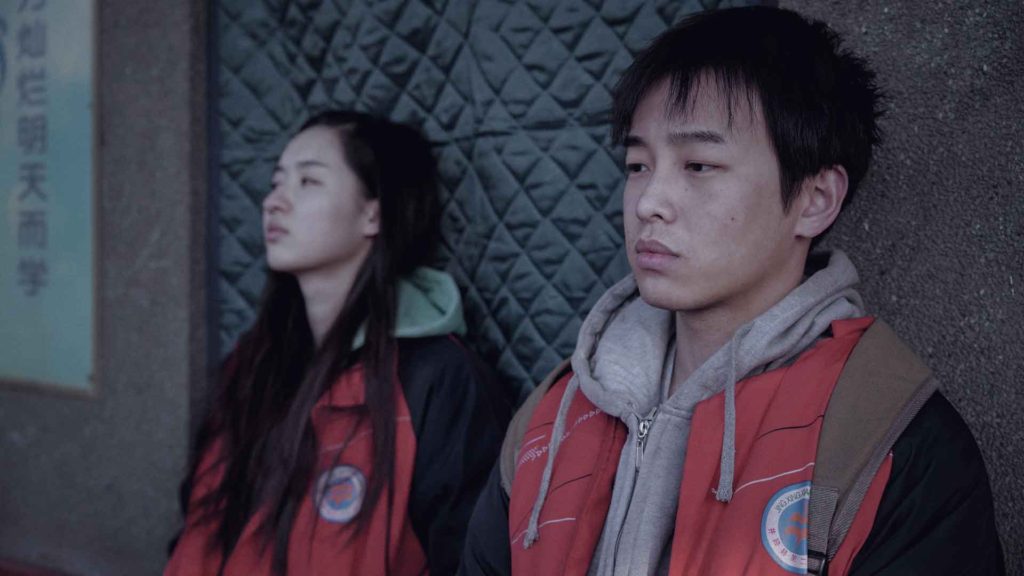
Wei Bu (foreground) and Huang Ling (background)

Wang Jin, an elderly man, is being lectured by his son about the need for Wang to be put in a home. Wang’s daughter-in-law is present but dressing her daughter for school. The son seems most concerned with creating more space for his daughter in the small apartment, but the apartment is actually owned by Wang. Wang’s solace is his dog, whom he dotes on. During a morning walk, Wang’s dog is attacked and killed by a neighbor’s dog who escaped from its leash. The owners had previously run into Wei Bu asking if he had seen their dog. Wang is refused compensation by the owners because he can’t prove it was their dog that killed his. Alone now, Wang collects his granddaughter and simply wanders, determined not to go into that care home his son wants to place him in.

Wang Jin and Wei Bu live in the same complex, but do not greet each other. Strangers despite their proximity. Wang and a schoolmate walk together before stopping to show off their weapons for dealing with the school bullies; Wang’s baton and his friend’s handgun. It belongs to his father. Wang’s friend points the firearm at his own temple and smiles before Wang takes it and places it back in the friend’s bag. Desperation.

Wang Jin and his dog

Huang Ling is at home, trying to tell her mother about their toilet leaking again only to be ignored. When she finally wakes her mother up, her mother complains about Huang Ling crushing the birthday cake her mother bought for her, except that the cake box was already shown to be crushed. Much like with trying to explain the leak in the toilet, Huang’s protestations of innocence are ignored by her mother, who eventually merely goes back to sleep.

Wei Bu arrives at school and a bully accosts him, demanding Wei buy the bully a new phone to replace the one Wei stole. Wei insists he had nothing to do with it. Wei later walks into class and sits down but his chair collapses under him. The entire class – except for Wei’s friend from earlier – is looking back at him and laughing. He has likely been bullied for some time now.

Across town, Yu Cheng is meeting with the now-widow of his best friend; Yu insists that he is not guilty of anything and that his best friend’s suicide was his own choice. Yu and the widow argue about who is truly at fault, but the widow blackmails Yu into speaking with his dead friend’s mother, otherwise the widow will tell her departed husband’s family that Yu pushed him from the balcony.

Wei Bu and his friend encounter the bully again, this time in a stairwell. Wei is stoic until the bully starts insulting Wei’s father. The bully demands the pair kneel and sing a lullaby (kneeling is generally considered an act of submission and humility in China) but Wei refuses. After the bully insults Wei’s mother, Wei tries to walk away but the bully grabs him. In the short scuffle, the tape-baton falls from Wei’s bag and the bully spots it on the floor, surprised by the implication that Wei was planning to defend himself, he threatens Wei’s life because of it. Wei pushes the bully down the stairs and then runs away, seeing the bully is unconscious with a head wound.

Yu Cheng gets a call from his mother. His younger brother was pushed down a staircase at school and is in the hospital in critical condition. Coma. The head injury might be fatal because of swelling in the brain.

Huang Ling (who attends the same high school as and is acquainted with Wei Bu) meets with the school’s deputy dean. The dean has been pursuing her for a while, and she has reciprocated the attraction. Problems arise not long after when the two meet in a coffee shop. Wei Bu is outside watching them through the glass. The dean had previously berated Wei Bu as a going-nowhere-loser. Yu Cheng happens upon Wei Bu standing outside, no idea who he is. They peer inside the coffee shop from across the street before Wei Bu writes a note and leaves it on the window (for Huang Ling or the dean?). The two see a person flash by the glass and hear the thud from his placing a piece of paper on the window. Huang Ling walks out of the coffee shop to investigate. She and the dean eat together.

Yu Cheng meets his mother at the hospital. She angrily demands he find the boy who pushed his younger brother. Her verbal abuse recalls Wei Bu’s father. She insists that Yu enlist his gang to enact vengeance.

Huang Ling and the dean meet again. Other students suspect the relationship. A video of them together is being shared online and in group chats. The dean blames her for ruining his life. Her mother finds out and kicks her out. She has nowhere to go and so accompanies the equally aimless Wei Bu.

Wei Bu (left) and Yu Cheng (right)

This is how it begins, and this is only halfway through the 4 hour masterpiece. The score is sparse; it shifts between folk-tinged acoustic guitar and a synth-driven motif dominated by a subtle drones that carry a simple melody. Photographed by cinematographer Fan Chao in a series of meticulous, immaculately composed long takes that alternate between deep and shallow focus, this film takes all the time it needs to tell its story of isolation, abuse, and hopelessness, but also resilience. The fact that it was shot full screen, a format that in the age of widescreen tends to evoke a claustrophobic closeness, means many of the compositions are medium shots (often tracking from behind the characters), closeups, and medium closeups. This is by no means a showcase for widescreen views of buildings in a Chinese city or nature. These characters might be aware of their meager lot in life, but they are still trying to find meaning. Maybe it’s a last stand of sorts. The characters, through their own paths, come across information or flyers about an elephant in a zoo in Manzhouli that sits still all day and does nothing else. For their own singular reasons, they all decide to take the journey to see it. But they remain separate, for the most part, until the very end. These characters exist in the margins of Chinese society and have been abandoned by their families and loved ones, and going to Manzhouli represents them in turn abandoning their lives. There must be something better than what they have. Somewhere inside them, despite their massive alienation, there is an inkling of optimism.

Some of the main characters together

Manzhouli is a city in China (specifically Inner Mongolia) which borders Russia. The film itself is set in Jingxing County, Hebei Province, in North China. Hu Bo himself was born in Jinan, Shandong Province, East China although he had apparently been based in Beijing since attending the Beijing Film Academy. An Elephant Sitting Still was adapted by Hu Bo based on a novella in his short story collection Big Crack (also known as Huge Crack). I don’t know exactly how to view the film. As a protest against the failings of Chinese society? An indictment of the Chinese Communist Party for their inability to truly care for the citizens of the country? A cry for help from someone making his suicidal intentions known onscreen? A plea for everyone to try to make connections with each other, lest the people we pass by every day end up slipping through cracks before our very eyes? Maybe it was an author trying to bestow a final gift to the world and show that people should remain hopeful even if he could not. Perhaps it’s a combination of all of them, in differing amounts for each. Either way, the solemnity is palpable. It’s a great film and I don’t have to understand it completely to recognize that. Hu Bo could have gone on to make more great feature-length films, but unfortunately we only have this, three short films, and his three novels. At least we have something from him.

Hu Bo
20 July 1988 – 12 October 2017

5/5

An Elephant Sitting Still
234 minutes
1.78:1 AR
In Mandarin with English subtitles
Written/dir. by Hu Bo
Cinematography by Fan Chao
Released 14 December 2018
Chinese production
Blu-ray Disc from KimStim

Top 100 Films of 2010-2019

  1. Still the Water, dir. by Kawase Naomi (2014, Japan)
  2. Ten Years, dir. by Kwok Zune, Wong Fei Pang, Jevons Au, Chow Kwun Wai, Ng Ka Leung (2015, Hong Kong)
  3. Capernaum, dir. by Nadine Labaki (2018, Lebanon)
  4. Mysteries of Lisbon, dir. by Raúl Ruiz (2010, Portugal)
  5. The Great Buddha+, dir. by Huang Hsin Yao (2017, Taiwan)
  6. No. 1 Chung Ying Street, dir. by Sung Kee Chiu (2018, Hong Kong)
  7. Sisterhood, dir. by Tracy Choi (2016, Macau/Hong Kong)
  8. The Golden Era, dir. by Ann Hui (2014, Hong Kong/China)
  9. A Touch of Sin, dir. by Jia Zhangke (2013, China)
  10. Big Blue Lake, dir. by Jessey Tsang Tsui Shan (2011, Hong Kong)
  11. End of the Century, dir. by Lucio Castro (2019, Argentina)
  12. Diamantino, dir. by Gabriel Abrantes & Daniel Schmidt (2019, Portugal)
  13. See You Up There, dir. by Albert Dupontel (2017, France)
  14. An Elephant Sitting Still, dir. by Hu Bo (2018, China)
  15. The Assassin, dir. by Hou Hsiao Hsien (2015, Taiwan)
  16. Neighboring Sounds, dir. by Kleber Mendonça Filho (2012, Brazil)
  17. On Happiness Road, dir. by Hsin Yin Sung (2018, Taiwan)
  18. Gebo and the Shadow, dir. by Manoel de Oliveira (2012, Portugal/France)
  19. Once Upon a Time in Anatolia, dir. by Nuri Bilge Ceylan (2011, Turkey)
  20. Stray Dogs, dir. by Tsai Ming Liang (2013, Taiwan)
  21. Sweet Bean, dir. by Kawase Naomi (2015, Japan)
  22. The Editor, dir. by Astron-6 (2014, Canada)
  23. Kills on Wheels, dir. by Attila Till (2016, Hungary)
  24. The Death of Louis XIV, dir. by Albert Serra (2016, France)
  25. La isla minima, dir. by Alberto Rodríguez (2014, Spain)
  26. Western, dir. by Valeska Grisebach (2017, Germany/Austria)
  27. En el séptimo día, dir. by Jim McKay (2017, USA)
  28. Bends, dir. by Flora Lau (2013, Hong Kong)
  29. Son of Saul, dir. by László Nemes (2015, Hungary)
  30. Mia Madre, dir. by Nanni Moretti (2015, Italy)
  31. Parasite, dir. by Bong Joon Ho (2019, South Korea)
  32. Border, dir. by Ali Abbasi (2018, Sweden)
  33. Happy Hour, dir. by Hamaguchi Ryūsuke (2015, Japan)
  34. Support the Girls, dir. by Andrew Bujalski (2018, USA)
  35. Our Little Sister, dir. by Kore-eda Hirokazu (2015, Japan)
  36. The Woman Who Left, dir. by Lav Diaz (2016, Philippines)
  37. A Simple Life, dir. by Ann Hui (2012, Hong Kong)
  38. Les Affamés, dir. by Robin Aubert (2017, Canada)
  39. 120 battements par minute, dir. by Robin Campillo (2017, France)
  40. Aquarius, dir. by Kleber Mendonça Filho (2016, Brazil)
  41. Mountains May Depart, dir. by Jia Zhangke (2015, China)
  42. Wild Tales, dir. by Damián Szifron (2014, Argentina/Spain)
  43. Shoplifters, dir. by Kore-eda Hirokazu (2018, Japan)
  44. Loveless, dir. by Andrey Zvyagintsev (2017, Russia)
  45. Cold War, dir. by Paweł Pawlikowski (2018, Poland)
  46. Campeones, dir. by Javier Fesser (2018, Spain)
  47. Transit, dir. by Christian Petzold (2018, Germany)
  48. Burning, dir. by Lee Chang Dong (2018, South Korea)
  49. Hell or High Water, dir. by David Mackenzie (2016, USA)
  50. The Strange Colour of Your Body’s Tears, dir. by Hélène Cattet & Bruno Forzani (2013, Belgium/France/Luxembourg)
  51. Vulgaria, dir. by Pang Ho Cheung (2012, Hong Kong)
  52. Sunny, dir. by Kang Hyeong Cheol (2011, South Korea)
  53. The World of Us, dir. by Yoon Ga Eun (2016, South Korea)
  54. Sicario, dir. by Denis Villeneuve (2015, USA)
  55. Kler, dir. by Wojciech Smarzowski (2018, Poland)
  56. Frantz, dir. by François Ozon (2016, France)
  57. Still Human, dir. by Oliver Siu Kuen Chan (2019, Hong Kong)
  58. Ixcanul, dir. by Jayro Bustamente (2015, Guatemala)
  59. Buddha Mountain, dir. by Li Yu (2010, China)
  60. The Happiest Day in the Life of Olli Mäki, dir. by Juho Kuosmanen (2016, Finland)
  61. La Sapienza, dir. by Eugène Green (2015, France/Italy)
  62. Spotlight, dir. by Tom McCarthy (2015, USA)
  63. Godspeed, dir. by Chung Mong Hong (2016, Taiwan)
  64. Taxi, dir. by Jafar Panahi (2015, Iran)
  65. The Florida Project, dir. by Sean Baker (2017, USA)
  66. Miss Bala, dir. by Gerardo Naranjo (2011, Mexico)
  67. The Fool, dir. by Yuri Bykov (2014, Russia)
  68. The Turin Horse, dir. by Béla Tarr (2011, Hungary)
  69. Toni Erdmann, dir. by Maren Ade (2016, Germany/Austria)
  70. Holy Motors, dir. by Leos Carax (2012, France)
  71. Murmur of the Hearts, dir. by Sylvia Chang (2015, Taiwan)
  72. Rust and Bone, dir. by Jacques Audiard (2012, France)
  73. Hounds of Love, dir. by Ben Young (2016, Australia)
  74. Afterimage, dir. by Andrzej Wajda (2016, Poland)
  75. The Salesman, dir. by Asghar Farhadi (2016, Iran)
  76. Love, dir. by Doze Niu (2012, Taiwan)
  77. Leviathan, dir. by Andrey Zvyagintsev (2014, Russia)
  78. Echoes of the Rainbow, dir. by Alex Law (2010, Hong Kong)
  79. The Other Side of Hope, dir. by Aki Kaurismäki (2017, Finland)
  80. Ida, dir. by Paweł Pawlikowski (2014, Poland)
  81. A Dark Song, dir. by Liam Gavin (2016, Ireland/UK)
  82. Fai bei sogni, dir. by Marco Bellocchio (2016, Italy)
  83. Horse Money, dir. by Pedro Costa (2014, Portugal)
  84. Tangerine, dir. by Sean Baker (2015, USA)
  85. I Have to Buy New Shoes, dir. by Kitagawa Eriko (2012, Japan)
  86. The Fake, dir. by Yeon Sang Ho (2013, South Korea)
  87. One Day, dir. by Hou Chi Jan (2010, Taiwan)
  88. Blindspotting, dir. by Carlos López Estrada (2018, USA)
  89. Logan Lucky, dir. by Steven Soderbergh (2017, USA)
  90. One Cut of the Dead, dir. by Ueda Shinichirou (2017, Japan)
  91. Uncle Boonmee Who Can Recall His Past Lives, dir. by Apichatpong Weerasethakul (2010, Thailand)
  92. Gonjiam, dir. by Jung Bum Shik (2018, South Korea)
  93. White God, dir. by Kornél Mundruczó (2014, Hungary)
  94. Alois Nebel, dir. by Tomáš Luňák (2011, Czech Republic)
  95. The Garden of Words, dir. by Shinkai Makoto (2013, Japan)
  96. The Hunt, dir. by Thomas Vinterberg (2012, Denmark)
  97. Blancanieves, dir. by Pablo Berger (2012, Spain)
  98. Aftermath, dir. by Władysław Pasikowski (2012, Poland)
  99. When Love Comes, dir. by Chang Tso Chi (2010, Taiwan)
  100. The Son of Joseph, dir. by Eugène Green (2016, France/Belgium)

Diamantino (2019)

This review contains slight spoilers.

[When big-hearted but dimwitted Portuguese soccer hunk Diamantino blows it in the World Cup finals, he goes from superstar to laughing stock overnight. His sheltered worldview is further shattered after learning about the European refugee crisis and he resolves to make amends by adopting an African refugee – only to find that his new “son” is actually an undercover lesbian tax auditor investigating him on the suspicion of corruption. From there, Diamantino gets swept up in a gonzo comic odyssey involving cigarette-smoking evil twins, Secret Service skullduggery, mad science genetic modification, and a right-wing anti-EU conspiracy.]

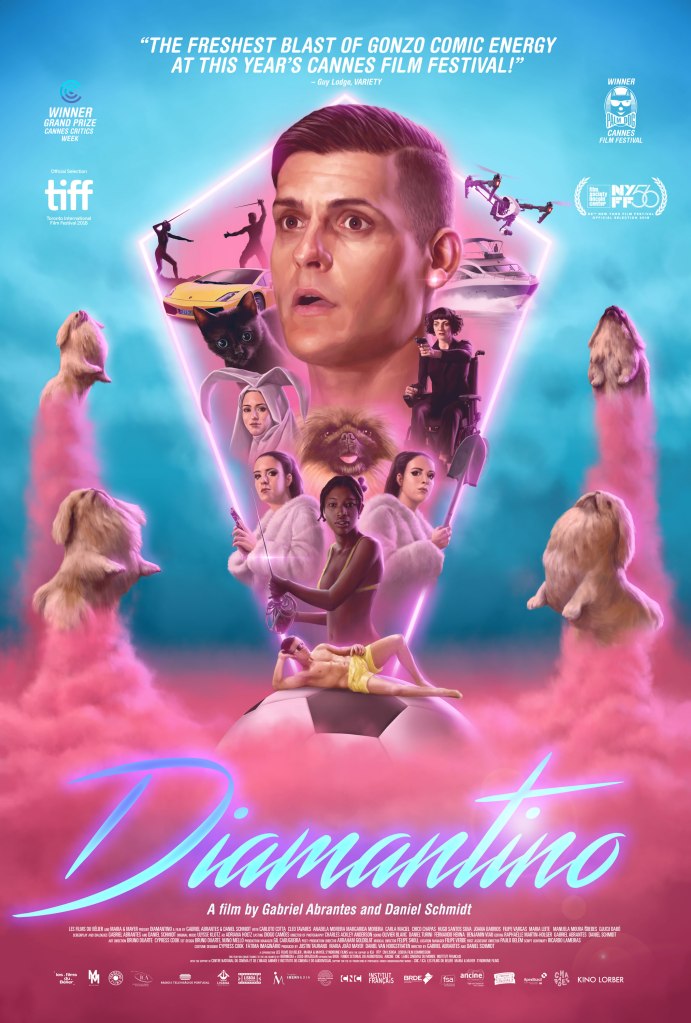
So reads Kino Lorber’s synopsis of this wonderfully delirious satirical comedy. Best of all, despite indications from the theatrical release poster, is that the film tells a surprisingly coherent story. While the filmmakers, Gabriel Abrantes and Daniel Schmidt, did not hesitate to wear their politics of various issues on their sleeve, they also did not simply throw those disparate elements onto a wall to see what would stick. This is a very thoughtful, assured film and probably the film Orson Welles was trying to make when he did Citizen Kane but he unfortunately ended up with something about newspapers and loneliness or whatever.

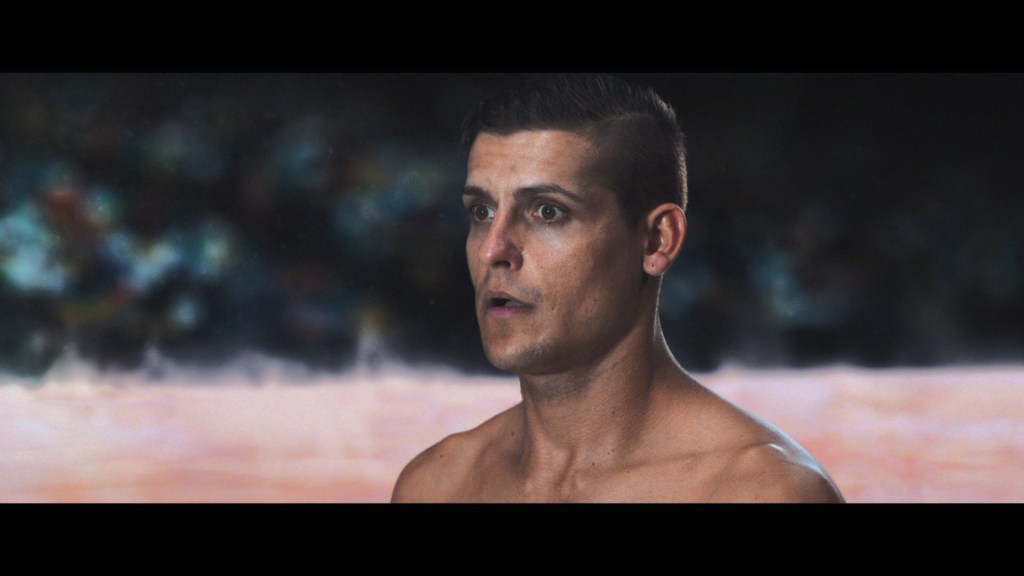
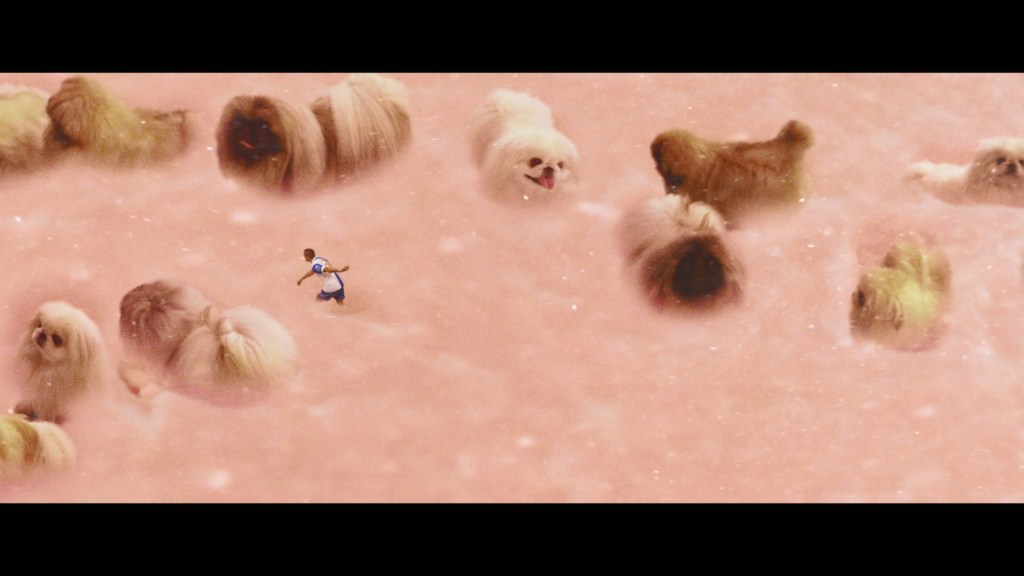
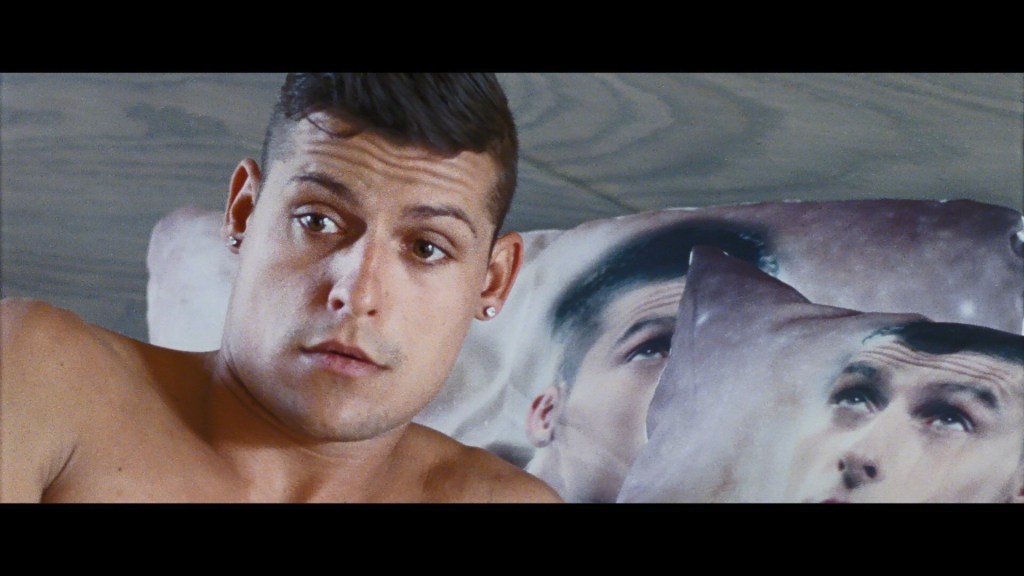
You may have some reservations, but this is not one of those intentionally bad movies designed to get you and your friends out to a midnight screening to join a crowd of hecklers. Diamantino, in all its camp and whimsy, is incredibly earnest and sincere. Even though Diamantino Matamouros (Carloto Cotta) is childlike in his innocence – whenever he is about to score, he has visions of glittery pink fog and an army of giant Pekingese puppies covering the pitch to support him – and lack of world experience, the humor at his expense comes from parody of celebrity culture, such as him sleeping on a bed with a duvet and pillow covers displaying his likeness. His portrayal, abs and haircut included, makes several pointed references to the exaggerated public image of Cristiano Ronaldo, who also hails from Portugal. Much of the humor, particularly from the villains, is comprised of outrageously coarse punchlines and gags that will have you laughing before the discomfort at the subject matter sets in. This is especially so for Diamantino’s twin sisters Sonia and Natasha (played by sisters Anabela and Margarida Moreira, respectively), whose only limit to their cruelty is when they need to be nice to their naive brother to manipulate him further.

Notable highlights are the beginning in the movie when the Matamouros family patriarch Chico (played by Chico Chapas) has a stroke and dies just before Diamantino’s all-important penalty kick that could tie the game with Sweden; Diamantino had been injured beforehand by a tackle, prompting the sisters to scream at their television that he was faking it. Chico defends his son, while his daughters take to lashing out. When Chico falls over on the couch, his daughters continue to berate him, yelling, “He’s taking a dive, like his son.” Ouch. Seconds later, when Diamantino misses his penalty kick, the immediate reaction from his sisters is, “Fuck you, Diamantino” and the relationship spirals downward from there. The following gag from them as Diamantino spreads his father’s ashes is even better but I won’t spoil it because it’s quick.

The depths of the twin sisters’ maniacal-but-never-cartoonish evil is mined hilariously when, as Diamantino is trying to introduce them to his adopted “son” Rahim, the sisters, trying to chase down a pig in their garden to slaughter it, exclaim “Everyone is kicking refugees out, and you bring one into our house? What the hell has gotten into you?” It’s very clear who and what the film is satirizing with these antics. No surprise that the mad scientist-run cloning lab they later sell Diamantino to is actually part of a conservative conspiracy to increase Portuguese nationalism and convince Portugal to vote to leave the EU, a message blatantly broadcasted by the slogan painted on the side of the laboratory’s van which collects Diamantino every morning.

Diamantino himself never mistreats anyone, and as stated before, the jokes centered on him are mocking celebrity. He is a sympathetic character – with a hilariously out of place Azores accent inspired by Carloto Cotta’s personal trainer during the making of the film – because of his optimism and good nature. In one scene, he states he wants to give his adopted son the “royal treatment” which turns out to be merely his favorite snack of “Bongo juice” and waffles topped with Nutella and whipped cream. The soundtrack contributes equally to the comedic tone of the film, with terribly and obviously inappropriate song choices (the score by Adriana Holtz and Ulysse Klotz bounces from EDM to a strange pick of “I Love You Always Forever” by Donna Lewis) setting the stage for supposedly tender scenes. If it were any other film, there’s no way this would work.

Fluffy puppies?

Lensed by cinematographer Charles Ackley Anderson (2013’s The Unity of All Things, which was co-directed by Daniel Schmidt with Alexander Carver) in Super 16mm with anamorphic lenses, and shot predominantly with natural light, Diamantino‘s aesthetic recalls 1970s B-movies as well as the more realism-grounded arthouse cinema movements of the world. Many of the handheld shots seem timed perfectly with the awkward moments Diamantino finds himself in. Like everything else with the film, it is a mix that on paper sounds ridiculous, but has resulted in a masterpiece thanks to the competent cast and crew. The widescreen presentation was an excellent choice, and the transfer on KL’s disc has that healthy level of film grain that will be familiar if you know what 16mm film looks like. The film might have worked just as well if it had been shot digitally, but I wouldn’t complain either way.

The few special effects for the pink fog and puppies are intentionally messy and hazy, but the laboratory effects are rendered very well. Gabriel Abrantes and Daniel Schmidt know when to have fun and when to be serious and when to straddle the line between the two. A blend of sci-fi, comedy, and romance, but foremost a political satire about the rise of the extreme right across Europe, and it’s a great satire at that. This film represents cinema as a whole at a peak, and we would probably be fine as a species if there were no more movies after this. Probably.
* If you’re interested, Diamantino won the Grand Prix at the International Critics’ Week of the 2018 Cannes Film Festival.

5/5

Diamantino
96 minutes
2.39:1 AR
In Portuguese with English subs
Written/dir. by Gabriel Abrantes and Daniel Schmidt
Cinematography by Charles Ackley Anderson
Released 4 April 2019
Portuguese, French, Brazilian co-production
Blu-ray Disc from Kino Lorber

Nuevo Cinema Paraíso

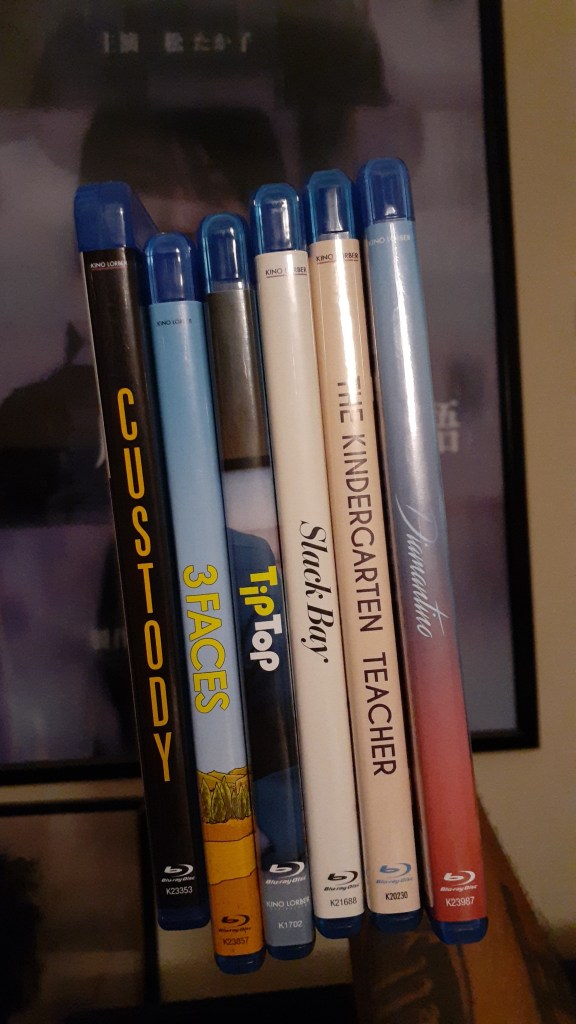
You see, what had happened was… a couple months ago I was told once again by a superior that I should “monetize” my love of film and branch out towards greater things. Move onto greener pastures, as it were. How green was my pasture that day, too, green and bright in the sun. Well, I agreed to do it, even though I know nothing about monetizing anything and I’m hardly a professional writer or film critic. I am essentially screaming into the ether, hoping that maybe there will eventually be a small audience that is interested in the same films I’m interested in or that becomes interested in them. We’ll see how it goes.

For now, this will be a space for me to collect my thoughts and/or ramble about the recent films I’ve seen, but I will also try to earnestly put forth an effort to review films that I want to review. I’m going to attempt to do one film a week, and the first film in line is the Portuguese comedy Diamantino, which I bought (along with five other films) during Kino Lorber‘s Black Friday sale. I will more than likely have it up tomorrow, and probably keep to a Monday schedule for future posts. Even if nothing major comes out of this venture in the ensuing years, I’ll be able to say I tried.

KL Black Friday haul

I guess this is where I introduce myself, but the easiest way to do that is a list of my favorite films:

20. Alien (dir. by Ridley Scott)
19. Solaris (dir. by Andrei Tarkovsky)
18. Ugetsu (dir. by Mizoguchi Kenji)
17. Heat (dir. by Michael Mann)
16. Ballad of a Soldier (dir. by Grigori Chukhrai)
15. Au revoir les enfants (dir. by Louis Malle)
14. The Princess Bride (dir. by Rob Reiner)
13. Citizen Kane (dir. by Orson Welles)
12. The Virgin Spring (dir. by Ingmar Bergman)
11. Fires on the Plain (dir. by Ichikawa Kon)
10. Miyamoto Musashi (dir. by Inagaki Hiroshi)
9. Tokyo Story (dir. by Ozu Yasujiro)
8. La Dolce Vita (dir. by Federico Fellini)
7. The Exorcist (dir. by Billy Friedkin)
6. Rebels of the Neon God (dir. by Tsai Ming Liang)
5. Dust in the Wind (dir. by Hou Hsiao Hsien)
4. Seven Samurai (dir. by Kurosawa Akira)
3. Christmas In August (dir. by Hur Jin Ho)
2. Yi Yi (dir. by Edward Yang)
1. April Story (dir. by Shunji Iwai)

Design a site like this with WordPress.com
Get started