A return of sorts

So, naturally, I’m making it through the piles of movies I’ve bought. Just finished my Czech pile (The Painted Bird is amazing!) and now am onto my Quebec pile. After that, hopefully I can return to regularly weekly posting of reviews, especially since a 2-3 page film review is one of the assignments for my capstone course this semester so I can maybe get a head start on that.

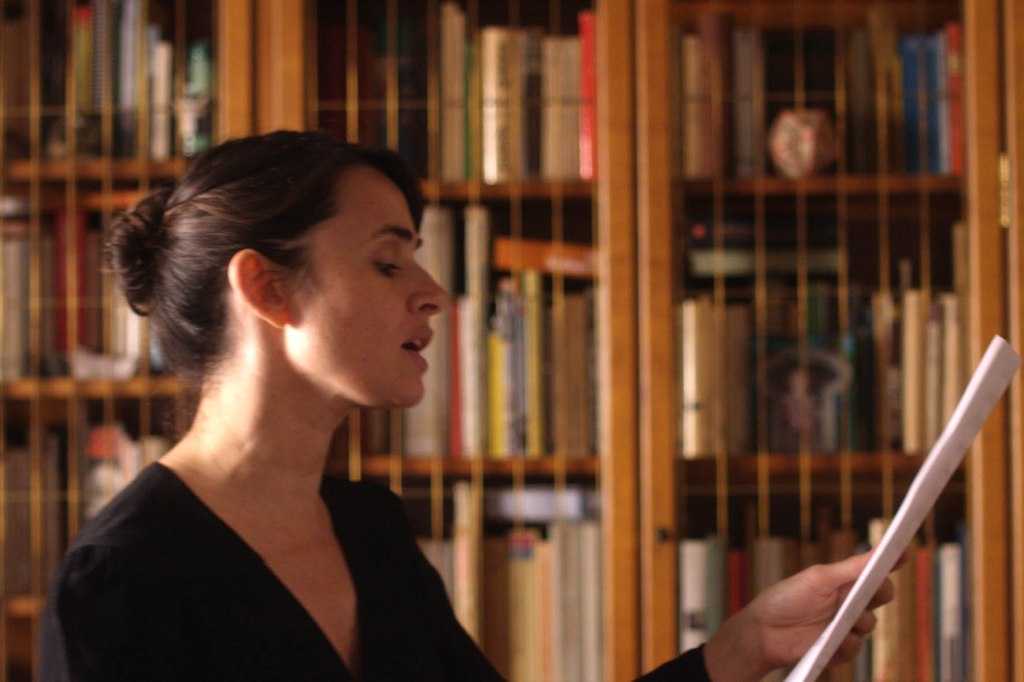
Of course, the wonderful folks at Film at Lincoln Center have partnered with Music Box Films to release the 6-hour miniseries version of Mysteries of Lisbon by Raúl Ruiz so all things considered, I think I’m managing to not spend too much money, despite their extension of Bacurau and virtual releases of Mr. Oizo’s Deerskin, Albert Serra’s Liberté, the new Pedro Costa, a documentary from Nanni Moretti and a restoration of his early work Caro Diario, this interesting looking film On a Magical Night, the restoration of Béla Tarr’s Sátántangó, and their upcoming release of Abel Ferrara’s Tommaso.

I’m here for all that film culture.

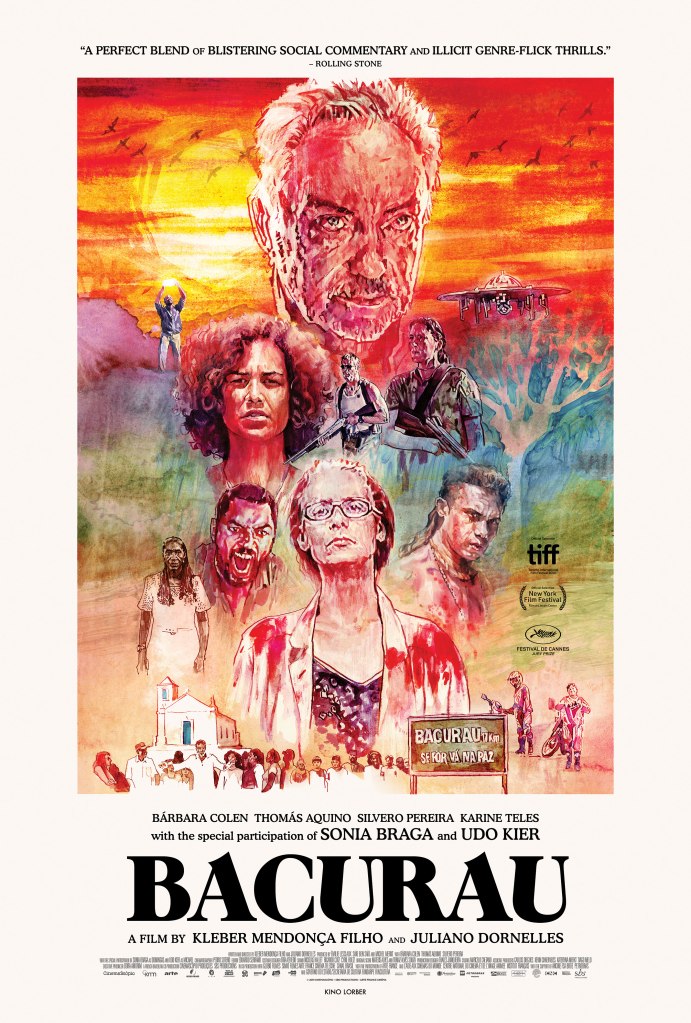
Go see Bacurau!

Kleber Mendonça Filho is my favorite Brazilian filmmaker. Neighboring Sounds was a phenomenal debut, Aquarius was incredible, and now he has done it again with Bacurau, this time co-writing and co-directing with Juliano Dornelles. I will not explain anything to avoid spoilers, but the film is political as fuck just like his previous works. I had meant to catch it on the big screen, but you know how that turned out. Thanks to Kino Lorber and two of my favorite places, the Plaza in ATL and Film at Lincoln Center in NYC, I finally caught it as part of the latter’s virtual cinema two days ago.

Bacurau @ Plaza Atlanta

Bacurau @ Film at Lincoln Center

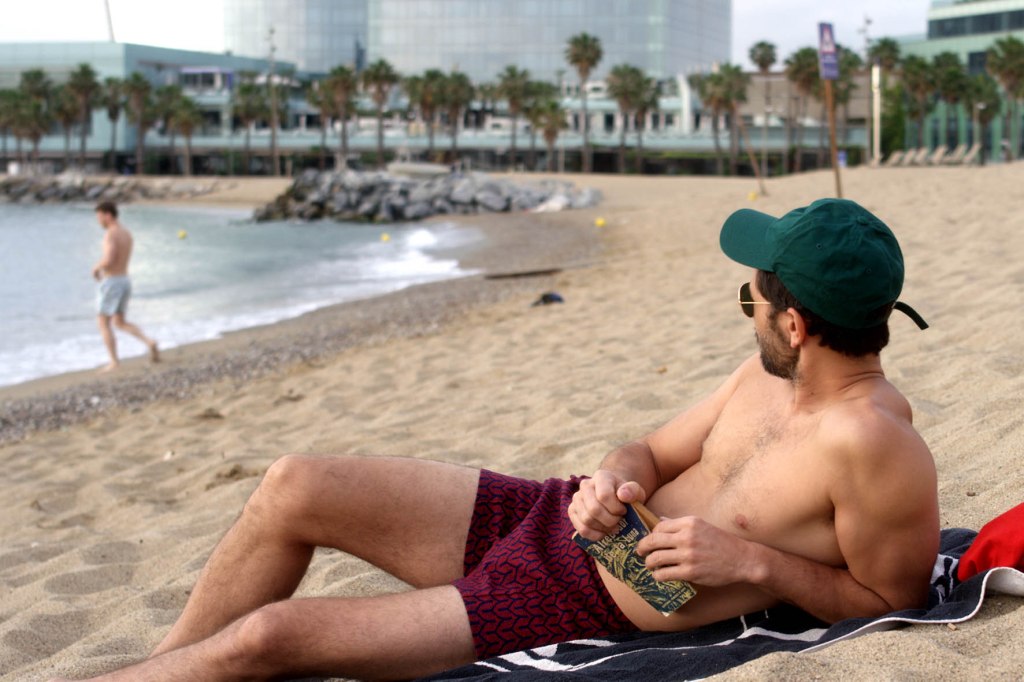
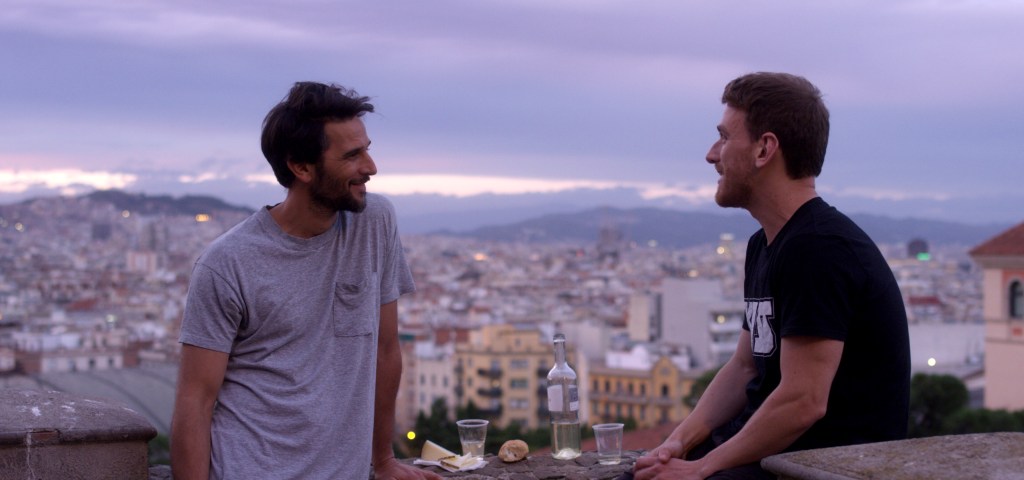
End of the Century

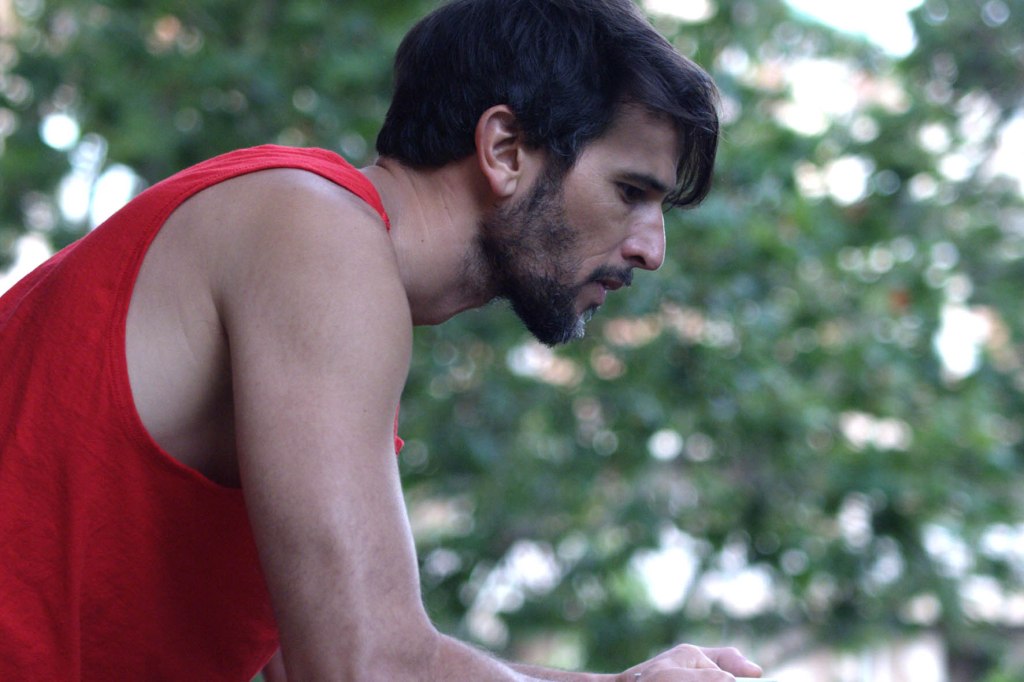
Well, the bright side of all the recent developments around the world, namely COVID-19, is that I’ve been catching up on movies. Got Cinema Guild’s End of the Century on bluray and it’s just as good as when I saw it in the theater. The director and sound designer commentary is also awesome. Truthfully, I’ve been watching so many films that I haven’t thought of reviewing any, because I have still have a pile to burn through and I want to get through them all before I buy any new stuff. I’ve also been playing through The Witcher 3: Wild Hunt again, so it’ll be a while before I have a real update. In the meantime, can we just admire how great End of the Century is? Thank you, Cinema Guild for distributing this.

Why We Need the Oscars, For Now

I didn’t watch the Oscars and I never do. I do, however, always welcome my friends to let me know about any of their personal highlights (mainly from the International category) and tell me which picks won awards. The elation one of my lawyer friends had on his face and in his voice when I asked him if Son of Saul had won Best Foreign Language back in 2016 was yet another reminder to me that film is so important for humanity’s collective spiritual health that it is irreplaceable. Not to sound too New Age-y, but that’s how I feel.

That said, I care very little for the ostentatious pageantry of the Academy Awards. I’m here for the films, and even then, most of the ones nominated for Oscars don’t interest me. But I do like how celebratory a lot of my friends are about the wins Parasite nabbed last night. Obviously, a lot of my compatriots tend to share my enthusiasm for cinema, although it’s not always quite on my level and usually their tastes definitely differ drastically from mine. Still, a Korean film won Best Picture, and that’s a huge win not just for Bong Joon Ho and cinephiles, but for world cinema as well.

I have spent a large portion of my life supporting, promoting, and championing world cinema to varying degrees and in a multitude of ways. A lot of people I know don’t care for the stuff; “I don’t watch movies to think,” “Movies are for escapism,” “I don’t like having to read movies.” I was lucky in that I grew up not having a lot of money, and with that kind of upbringing, anything can be escapism. I was in high school and TCM and IFC were showing movies like Citizen Kane, Seven Samurai, Ballad of a Soldier, La Dolce Vita, Wings of Desire, The Virgin Spring, Fists in the Pocket, Fires on the Plain, Ikiru, were all escapes for me. Granted, at 32 I watch those movies differently now than when I did when I was 19, because I don’t necessarily need the escape anymore, but that escapist element is there lingering. Even though I can afford a ticket to Italy now, I didn’t think I would ever be able to afford a plane ticket to Italy 15 years ago, so a 3 hour black and white Italian film on TV was a way to get there. Subtitles were not going to stop me. Hell, IFC used to do this thing called Samurai Saturdays and thanks to that I hadn’t even graduated high school when I saw Rashomon, Yojimbo, Throne of Blood, and Inagaki Horishi’s Samurai I – III. I received a mostly complete film education without paying for film school and at home and didn’t even realize it. I was lucky.

My point? Movies are powerful, they’re fucking great. So what about the Oscars? When world cinema pictures win these awards in the US, it makes it far easier for people to access them. I have some money now, so it’s not a problem for me to go on Amazon France and order a region free blu-ray of a French film that has English subs (Thank you for your consistent level of quality, Gaumont!), but a lot of films don’t get those kinds of releases, and I wait mostly at the mercy of the corporate studios who only care about what has “buzz.” Luckily, things are better than they used to be thanks to amazing companies like Magnolia, Cinema Guild, Grasshopper, Criterion (obviously), Kino Lorber, and many others, but it’s still hard to see a lot of films that interest me.

For better or worse, American audiences care about the Oscars, seemingly to the exclusion of other film awards around the world. When an international title wins an Oscar, it makes life easier for everyone who cares about movies. Roger Ebert said that movies were like a machine that generates empathy, and that the purpose of civilization is to reach out and empathize with other people. I believe that to the extreme. I think not watching films and not engaging with stories about people whose life circumstances differ from mine is a disservice to myself, it’s a waste of time. I don’t need to see yet another American save the English-speaking world from aliens. I need to see what people in Iran are talking about in their record stores, I need to see Venezuelan people walk around their cities grieving for their dead grandparents. This is how we grow as people, by caring about what goes on in other people’s lives. It’s work, sure, but it’s not back-breaking by any means.

That said, I’m still going to complain about the downsides. I’m very happy that Taika Waititi won Best Director. He’s one of my top 5 favorite filmmakers out of New Zealand, but I also notice that the people I know who loved Jojo Rabbit haven’t seen anything else he’s done besides Thor. A lot of the Americans I know raving about Parasite have only seen Snowpiercer and nothing else from Bong Joon Ho’s oeuvre. It reminds me of so much of the hype around Shinkai Makoto’s Your Name, which was a great film, but it also wasn’t that radically different from his other films, aside from having a happier ending than say, 5 Centimeters Per Second and The Garden of Words. It reminds me of so many Americans, typically men, who talk about how much they love Korean cinema, when underneath the surface, what they mean is that they’re able to enjoy Korean cinema because it’s closely influenced by Hollywood moviemaking. All this celebration, and part of me wants to ask “What took you so long?” and the other part of me wants to ask “Are you planning to keep running with this?” because this is a march that does not stop.

Think of how great you feel about Parasite. Whether it’s because you believe you have witnessed cinematic perfection or you’re happy to be in some sort of “club” that appreciates it, if you feel like you’ve happened upon something new and inspiring, whatever your reasons, think about it for a few seconds. Do you know how many other international films you could have that reaction to if you let yourself be willing to experience them? There is so much great cinema out there, and to paraphrase Bong Joon Ho, the only barrier is the 1 inch block of text for the subtitles. You could have this experience many times over and all you have to do is put in a little effort. What Parasite has done for you, for the Oscars, for movies, is something all cinema is capable of if you care about it. You can start with the winners and nominees of Best Foreign Language Film Oscars if you need a place to start. I can promise you won’t regret it, and I’ll see you at the movies.
Be Up A Hello

Unfortunately, I’ve already missed an update. For Monday the 3rd, I was going to review Alonso Ruizpalacios’ sophomore feature Museo from 2018, but Lunar New Year and school stuff have exhausted me. I will say, however, that Squarepusher’s new album “Be Up A Hello” is excellent, like most of the things Warp puts out. Hopefully Mark Pritchard will release some new tunes this year.

Favorite Lunar New Year Comedies

恭喜發財! It’s gonna be a short one because it’s the 3rd day of LNY and I want to eat.

  • Missbehavior (2019)

Pang Ho Cheung’s return to form after a couple of films that weren’t really up to his usual quality (Women Who Flirt and Love Off the Cuff). Missbehavior (the Cantonese title 恭喜八婆 literally translates to “Congratulations, Bitch”) features the raunchy humor that marked his standout works like You Shoot, I Shoot, Love in a Puff, Vulgaria, and Dream Home and is also hinted at in his more serious works like Isabella and Aberdeen. Centered on the character June played by June Lam, an actress woefully underused for lead roles in HK cinema, the trouble starts when a special guest is visiting her company for a presentation. He prefers low fat milk in his coffee, and June is sent by her boss Luna Fu to make a cup with specific instructions to use low fat milk. June finds milk in the fridge in a container marked “LF” but only after the presentation is over is it revealed that it was boss Luna Fu’s breast milk. June then sets out to reunite her gang, most of whom have remained friends but stopped speaking to other members of the group due to rivalries and betrayals, in order to procure a bottle of breast milk before the mistake is discovered and she gets fired.

If you’re still with me here, just know the breast milk gag defines much of the humor for the film. This is one hell of a good time, although there is an extended gag involving feces and a toilet that doesn’t really work. Apparently there are people over the age of 17 who find clogged toilets inherently funny, but it does provide an outlet for the talented Dada Chan to interact humorously with a slightly mischievous child. As it is a LNY film, it has a happy ending and a message, but the gags are equal stars with the cast here. There’s an extended gag involving a reference to “Anyone” which, if you’re not from HK, it would take too long to explain, so just know I had to pause several times because it was so funny.

  • Let’s Eat! (2016)

Chapman To’s directorial debut is a Singaporean-Malaysian comedy about a traditional chef who resists the efforts of the restaurant owner’s daughter to modernize the menu and lower prices for customers. Listen, you can’t expect LNY films to go avant-garde, OK? Yes, there is predictability and feelgoodness and heartstring tugging, and I wouldn’t have it any other way. I can’t watch Blade Runner all the time, lah. This film was suspected to be partly a response to Chapman To’s being shut out from Mainland/HK co-productions because he expressed sympathy towards people advocating for independence, which gives me even more reason to promote it. Let’s Eat! isn’t going to change the way you think about this mortal coil or anything, but it’s well shot, well acted, showcases some great food, and hits the right notes. It even throws in a bit of romance at the end because why not?

  • It’s a Mad, Mad, Mad World (1987)

Classic LNY comedy. A dysfunctional family wins the lottery and, well, you can guess. If you like Cantonese humor, you’re in for a treat. A double treat, actually, because it’s worth the price of admission alone just to see the legendary Lydia Shum handle the comedic material. Bill Tung plays her husband and the two of them are firing on all cylinders, but Lydia Shum in particular is a highlight. In fact, I don’t feel I have to justify the inclusion of It’s a Mad, Mad, Mad World any further. Lydia Shum is in it. Good enough for me.

3 Films, 1 Date

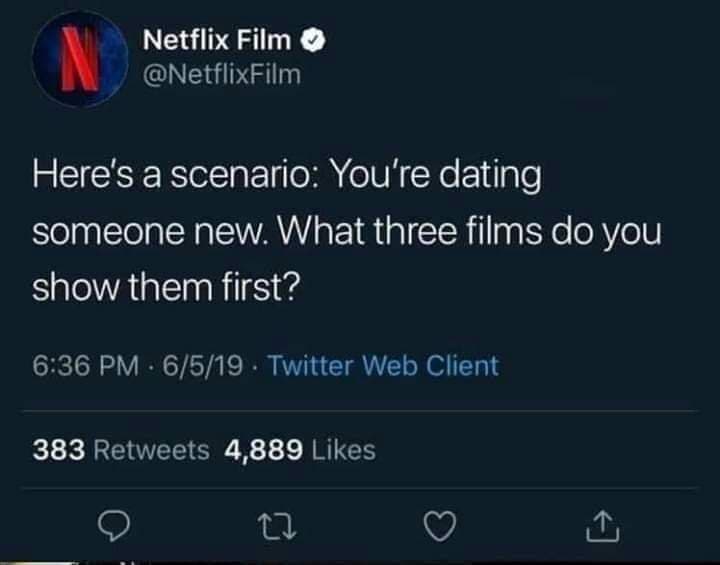
A friend sent me this on Facebook, and it got me thinking.

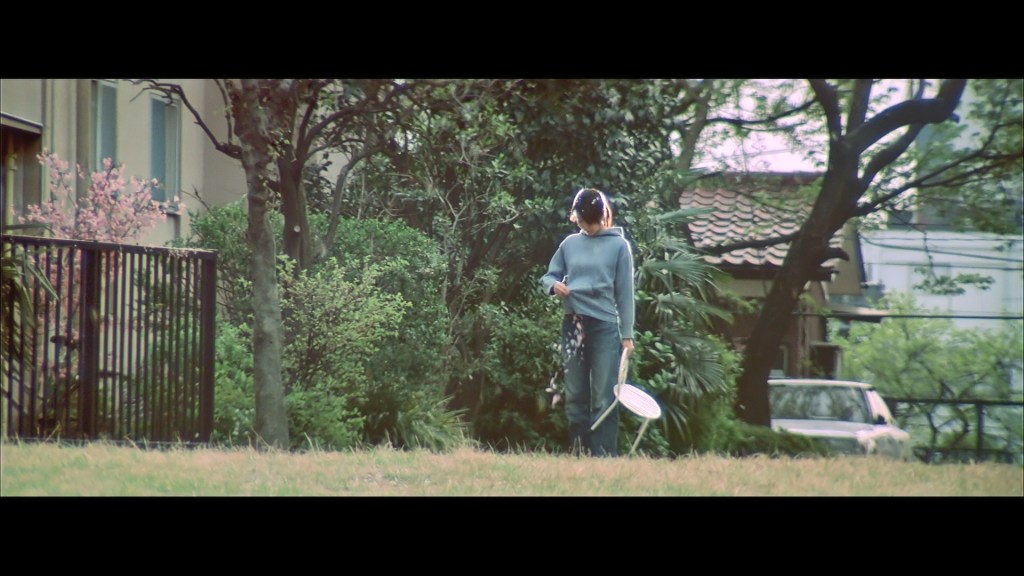
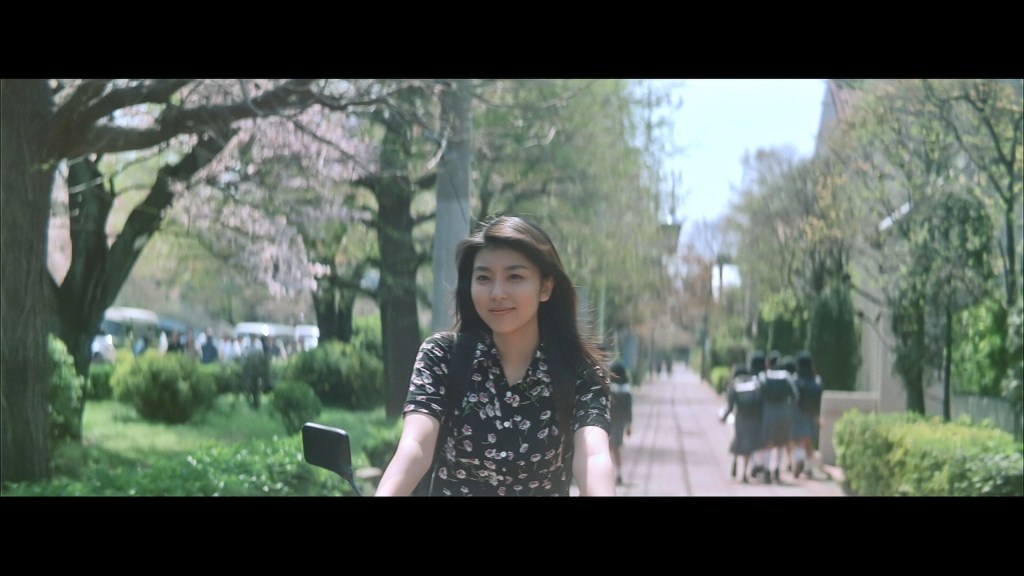
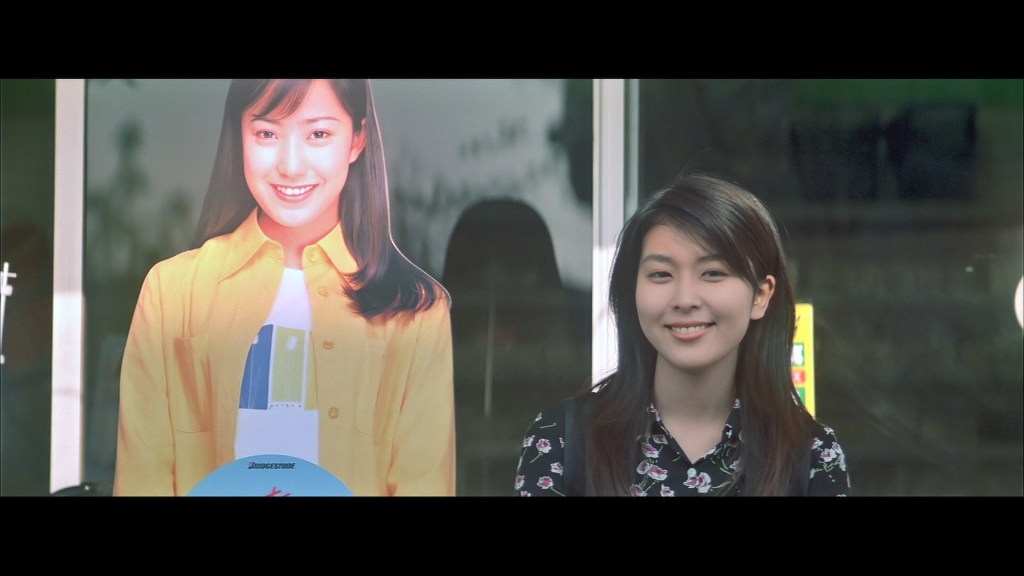
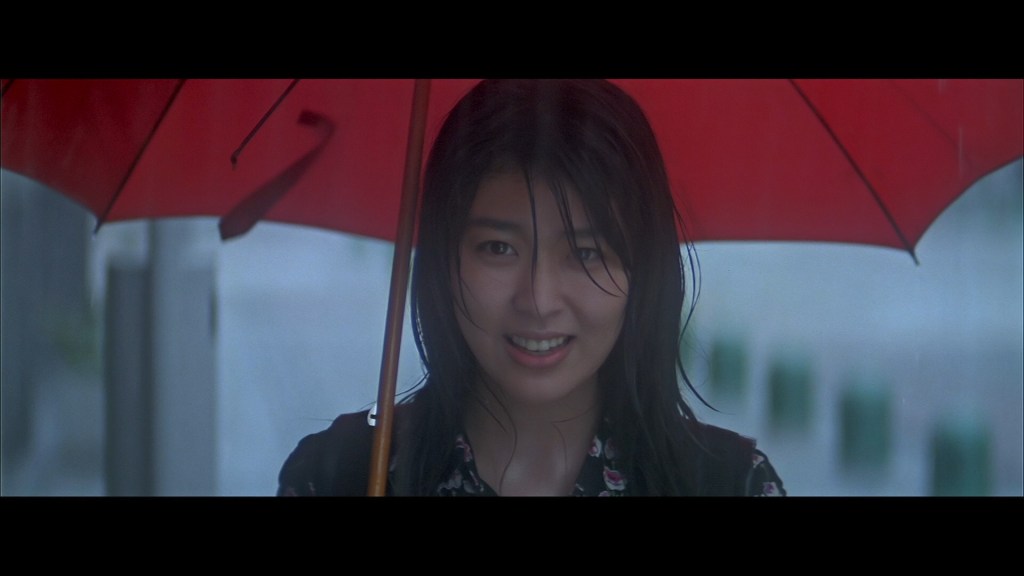
  1. April Story (1998, Japan), written/dir. by Iwai Shunji. Cinematography by Shinoda Noboru. Starring Matsu Takako.

The most perfect arthouse film ever made, in my humble opinion. There is nothing that could be added to or subtracted from this film to improve it in anyway. A young girl moves from Hokkaido to Tokyo to begin university. April is the start of the school year in Japan, so that explains the title for those of you unaware. Why did she choose Musashino University? Just watch it, please. It’s only 67 minutes and the shot compositions throughout are immaculate. There’s also a musical motif on the soundtrack that is as charming as Matsu Takako’s character Nireno Uzuki. Just a wonderful picture. I find this infinitely relaxing but still contemplative. Somewhere between ultra-realistic but still an escapist fantasy. This was actually the first blu-ray I ever bought, from yesasia, and I’ve seen this film close to maybe 300 times, if not slightly over. Probably the only film I’ve seen more is Alien.

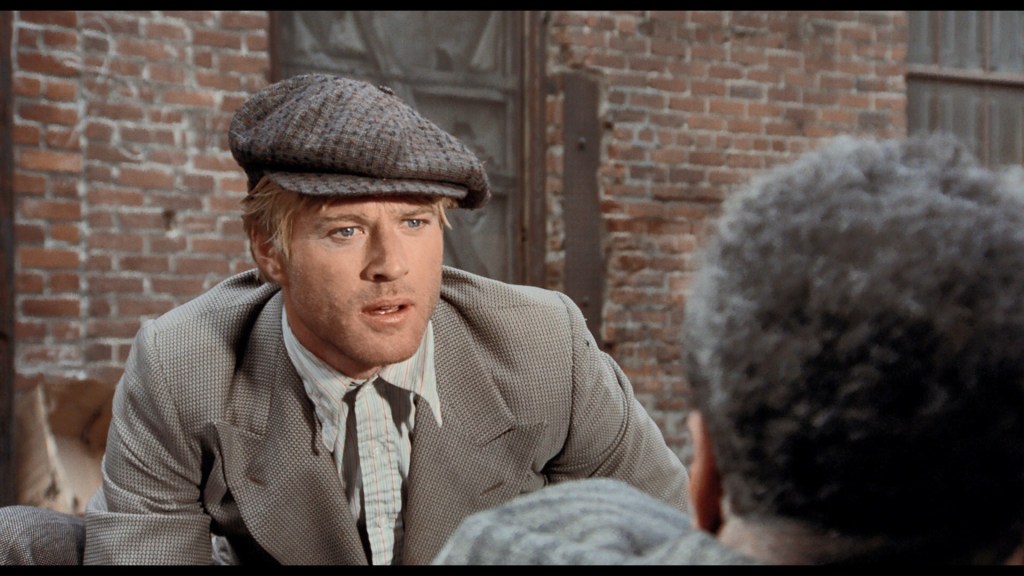
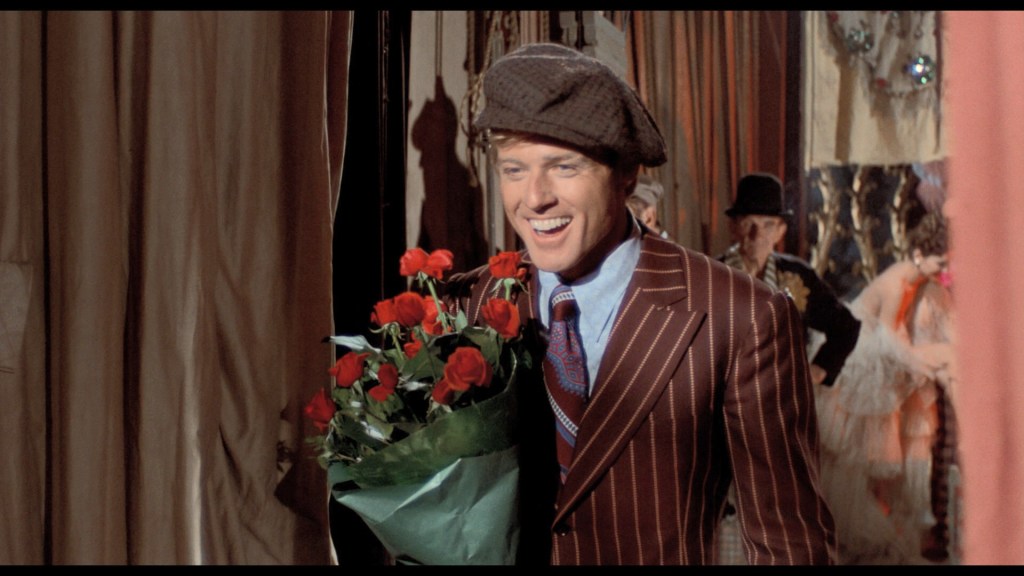
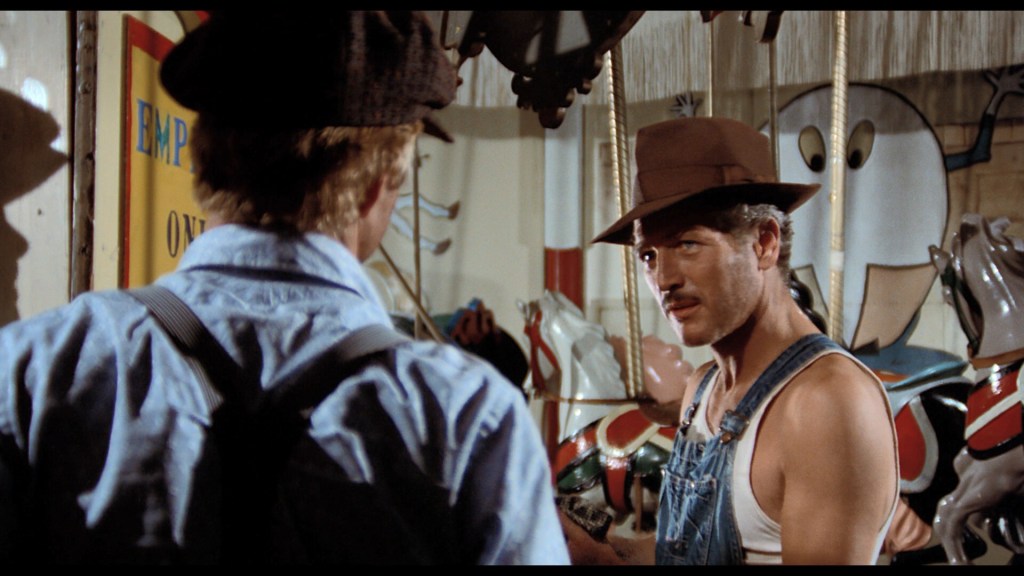
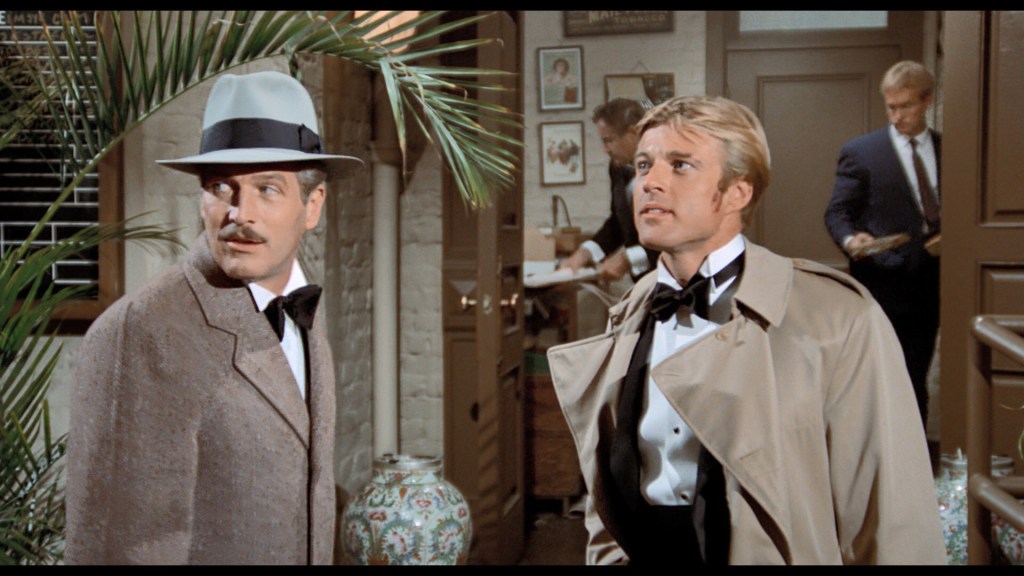
2. The Sting (1973, USA), dir. by George Roy Hill. Starring Robert Redford and Paul Newman.

If April Story is the most perfect art film ever, The Sting is the most perfect commercial film ever. The ragtime soundtrack, the pairing of Robert Redford and Paul Newman after 1969’s Butch Cassidy and the Sundance Kid, the plot, oh my goodness the plot, but most of all, the pacing. At 129 minutes, not a second is wasted here. This film rewards not just attention but your viewing, because whether you can keep running with the characters or you get dragged along, the developments, how the characters go about their plans, and the pay off are so fantastically well done that if the film punched me in the face instead of having end credits, I would probably still watch it again and again. Why would I show this? Because it’s a simple good time. A roller coaster but without the risk of vomit (yours or someone else’s). What a film.

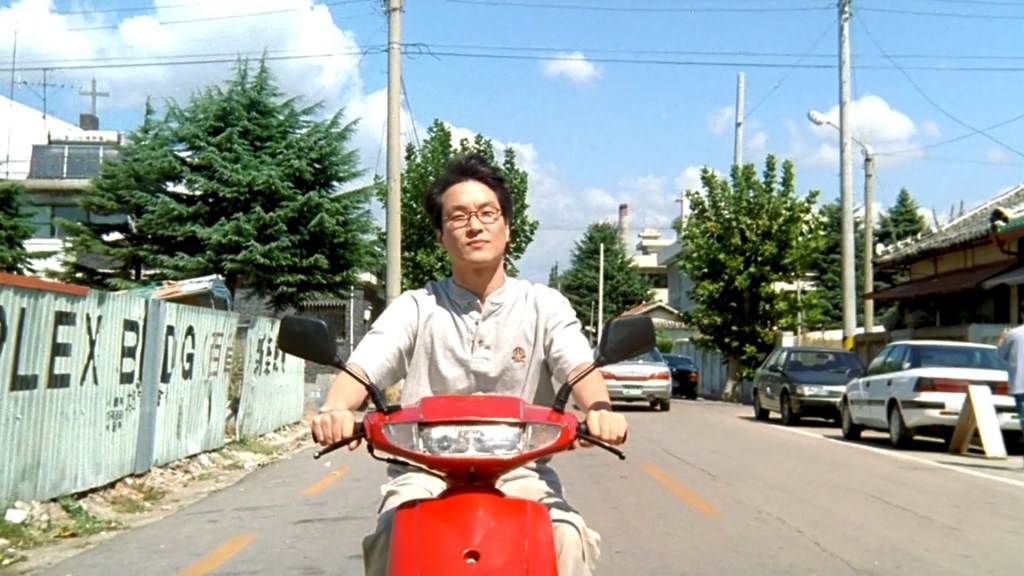
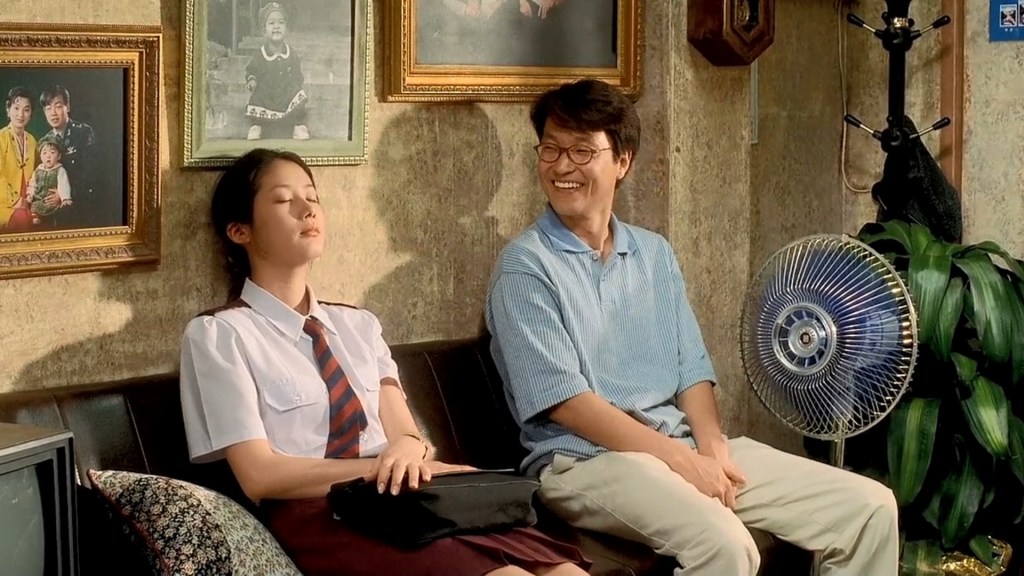
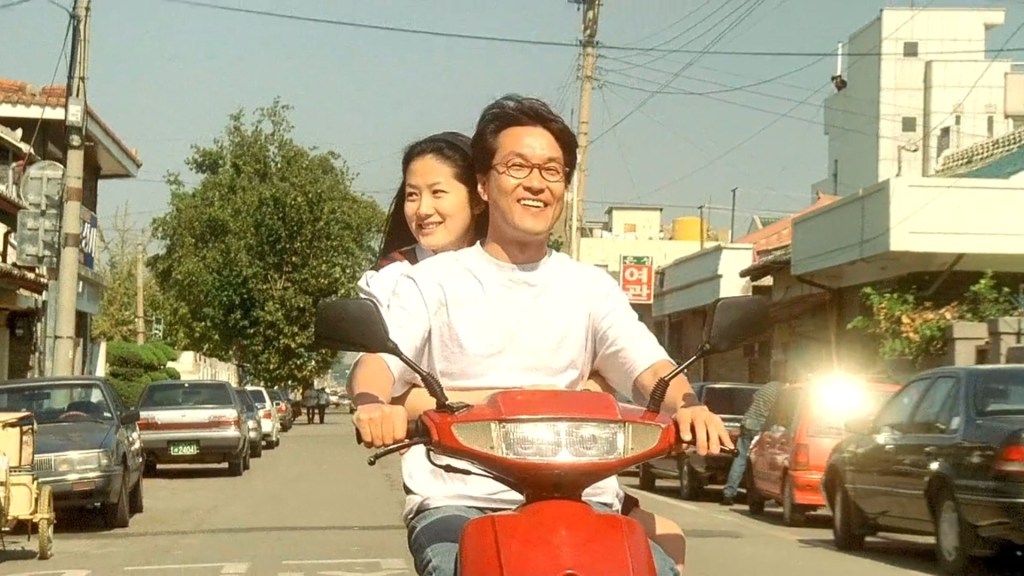
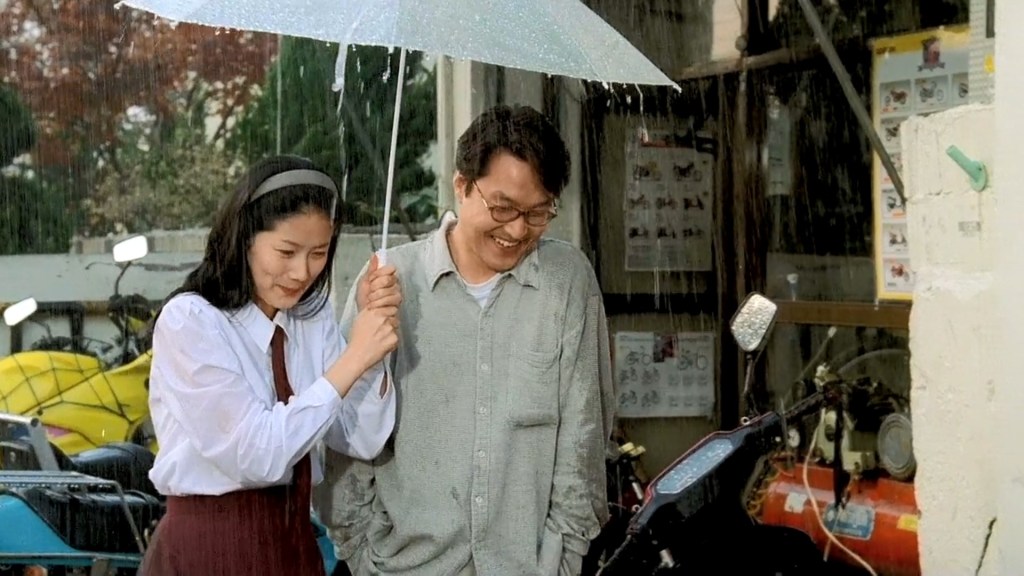
3. Christmas in August (1998, South Korea), written/dir. by Hur Jin Ho. Cinematography by Yu Young Gil. Starring Han Suk Kyu and Shim Eun Ha.

I love this movie so much. A deeply moving depiction of the beginning of a relationship; a photographer and a traffic cop begin awkwardly but warm to each other and… well, it’s maybe slightly more complicated than that. It’s obviously a romantic drama, but none of what people might consider the typical content of romance. There is no kiss, no hand holding, no overblown gestures or declarations of love. Two people meet, start to like each other, and do things together the way people who like each other would do, because that’s life. It’s realistic, but melodramatic, but the melodrama is there for a reason.

The film transcends romance and melodrama, it is more than anything a story of two people who are falling in love. It’s simple but complex, and it all makes sense once you watch it. I pick this for many reasons, but most of all the screenwriting. Catch the brilliant motifs involving photography, windows, and funeral portraits. The camerawork even mimics still photography in most of the scenes; static, almost evoking a fly-on-the-wall. I don’t know how this film isn’t used throughout film schools in America to teach students how to write, because this movie isn’t packed with overused tropes and doesn’t insult the audience’s intelligence. That’s why it’s so special.

So those are my picks, this time.

Honorable Mentions for Other Top Films of 2010-2019

So I realized there were loads of films that had not made my original list and I wanted to do them justice. Some of the films I didn’t include because I wanted to promote other works that I considered absolute favorites, others I felt were very good but overhyped, and still others I hadn’t seen in time. That’s what happens when these companies don’t tailor their release schedules to my specific desires. Life is hard.

  1. La pazza gioia, dir. by Paolo Virzi (2016, Italy)
  2. 10+10, dir. by Sylvia Chang, Chang Tso Chi, Arvin Chen, Chen Kuo Fu, Chen Yu Hsun, Cheng Wen Tang, Chu Yen Ping, Chung Mong Hong, Leon Dai, Ho Wi Ding, Hou Chi Jan, Hou Hsiao Hsien, Hsiao Ya Chuan, Shen Ko Shang, Wang Shaudi, Wang Toon, Wei Te Sheng, Wu Nien Jen, Yang Ya Che (2011, Taiwan)
  3. Fagara, dir. by Heiward Mak (2019, Hong Kong)
  4. La noche que mi madre mató a mi padre, dir. by Inés París (2016, Spain)
  5. Au Revoir Taipei, dir. by Arvin Chen (2010, Taiwan)
  6. A Separation, dir. by Asghar Farhadi (2011, Iran)
  7. The Sinking City: Capsule Odyssey, dir. by Stephen Ng and Nero Ng (2017, Hong Kong)
  8. I Do Not Care If We Go Down in History as Barbarians, dir. by Radu Jude (2018, Romania)
  9. Children Who Chase Lost Voices, dir. by Shinkai Makoto (2011, Japan)
  10. Our Times, dir. by Frankie Chen (2015, Taiwan)
  11. Distinction, dir. by Jevons Au (2018, Hong Kong)
  12. The Empty Hands, dir. by Chapman To (2017, Hong Kong)
  13. Stitches, dir. by Conor McMahon (2012, Ireland/United Kingdom)
  14. Train to Busan, dir. Yeon Sang Ho (2016, South Korea)
  15. You Are the Apple of My Eye, dir. by Giddens Ko (2011, Taiwan)
  16. Wołyń, dir. by Wojciech Smarzowski (2016, Poland)
  17. The Wild Pear Tree, dir. by Nuri Bilge Ceylan (2018, Turkey)
  18. The Light Shines Only There, dir. by Oh Mipo (2014, Japan)
  19. The Strange Case of Angelica, dir. by Manoel de Oliveira (2010, Portugal)
  20. Dormant Beauty, dir. by Marco Bellocchio (2012, Italy)
  21. The Second Mother, dir. by Anna Muylaert (2015, Brazil)
  22. Tracey, dir. by Jun Li (2018, Hong Kong)
  23. Jack Strong, dir. by Władysław Pasikowski (2014, Poland)
  24. Wyrmwood, dir. by Kiah Roache-Turner (2014, Australia)
  25. Zone Pro Site, dir. by Chen Yu Shun (2013, Taiwan)
  26. Pain and Glory, dir. by Pedro Almodóvar (2019, Spain)
  27. Somewhere Beyond the Mist, dir. by Cheung King Wai (2017, Hong Kong)
  28. Little White Lies, dir. by Guillaume Canet (2010, France)
  29. Win Win, dir. by Tom McCarthy (2011, USA)
  30. The Survivalist, dir. by Stephen Fingleton (2015, United Kingdom)
  31. Shuttle Life, dir. by Tan Seng Kiat (2017, Malaysia)
  32. The Midnight After, dir. by Fruit Chan (2014, Hong Kong)
  33. Divine Love, dir. by Gabriel Mascaro (2019, Brazil)
  34. Julieta, dir. by Pedro Almodóvar (2016, Spain)
  35. 3 Faces, dir. by Jafar Panahi (2018, Iran)
  36. Radiance, dir. by Kawase Noami (2017, Japan)
  37. The Traitor, dir. by Marco Bellocchio (2019, Italy)
  38. Results, dir. by Andrew Bujalski (2015, USA)
  39. The Way He Looks, dir. by Daniel Ribeiro (2014, Brazil)
  40. Hagazussa, dir. by Lukas Feigelfeld (2018, Germany)
  41. The Major, dir. by Yuri Bykov (2013, Russia)
  42. The Tokyo Night Sky is Always the Densest Shade of Blue, dir. by Ishii Yuya (2017, Japan)
  43. The Village of No Return, dir, by Chen Yu Hsun (2017, Taiwan)
  44. Blood of My Blood, dir. by Marco Bellocchio (2015, Italy)
  45. Point Blank, dir. by Fred Cavayé (2010, France)
  46. A Bride for Rip Van Winkle, dir. by Iwai Shunji (2016, Japan)
  47. A Witness Out of the Blue, dir. by Fung Chih Chiang (2019, Hong Kong)
  48. When Sun Meets Moon, dir. by Benny Lau (2018, Hong Kong)
  49. Neon Bull, dir. by Gabriel Mascaro (2015, Brazil)
  50. Stranger by the Lake, dir. by Alain Guiraudie (2013, France)
  51. Wrong, dir. by Quentin Dupieux (2012, France/USA)
  52. Reality, dir. by Matteo Garrone (2012, Italy)
  53. Assassination, dir. by Choi Dong Hoon (2015, South Korea)
  54. Bacurau, dir. by Kleber Mendonça Filho & Juliano Dornelles (2019, Brazil/France)
  55. Dogman, dir. by Matteo Garrone (2018, Italy)
  56. Horse Money, dir. by Pedro Costa (2014, Portugal)
  57. Errementari, dir. by Paul Ukijo (2018, Spain/France)
  58. Will You Still Love Me Tomorrow?, dir. by Arvin Chen (2013, Taiwan)
  59. The King of Pigs, dir. by Yeon Sang Ho (2011, South Korea)
  60. La Tribu, dir. by Fernando Colomo (2018. Spain)
  61. Concerto of the Bully, dir. by Fung Chih Chiang (2018, Hong Kong)
  62. Your Name, dir. by Shinkai Makoto (2016, Japan)
  63. Réalité, dir. by Quentin Dupiex (2014, France)
  64. From the Dark, dir. by Conor McMahon (2014, Ireland)
  65. First of May, dir. by Chou Go Tai (2015, Taiwan)
  66. Ocho apellidos vascos, dir. by Emilio Martínez-Lázaro (2014, Spain)
  67. August Winds, dir. by Gabriel Mascaro (2014, Brazil)
  68. Veloce come il vento, dir. by Matteo Rovere (2016, Italy)
  69. The Skin I Live In, dir. by Pedro Almodóvar (2011, Spain)
  70. G Affairs, dir. by Lee Cheuk Pan (2018, Hong Kong)
  71. Sketches of Kaitan City, dir. by Kumakiri Kazuyoshi (2010, Japan)
  72. Father to Son, dir. by Hsiao Ya Chuan (2018, Taiwan)
  73. Wong Ka Yan, dir. by Benny Lau (2015, Hong Kong)
  74. Rubber, dir. by Quentin Dupiex (2010, France)
  75. Night Tales, dir. Manuela Burló Moreno (2016, Spain)
  76. The Thieves, dir. by Choi Dong Hoon (2012, South Korea)
  77. Detention, dir. by John Hsu (2019, Taiwan)
  78. The Turning, dir. by Jonathan auf der Heide, Tony Ayres, Jub Clerc, Robert Connolly, Shaun Gladwell, Rhys Graham, Justin Kurzel, Yaron Lifschitz, Anthony Lucas, Claire McCarthy, Ian Meadows, Ashlee Page, Stephen Page, Simon Stone, Warwick Thornton, Marieka Walsh, Mia Wasikowska, David Wenham (2013, Australia)
  79. Napping Kid, dir. by Amos Why (2018, Hong Kong)
  80. So Young, dir. by Zhao Wei (2013, China)
Design a site like this with WordPress.com
Get started