The Calling of a Bus Driver

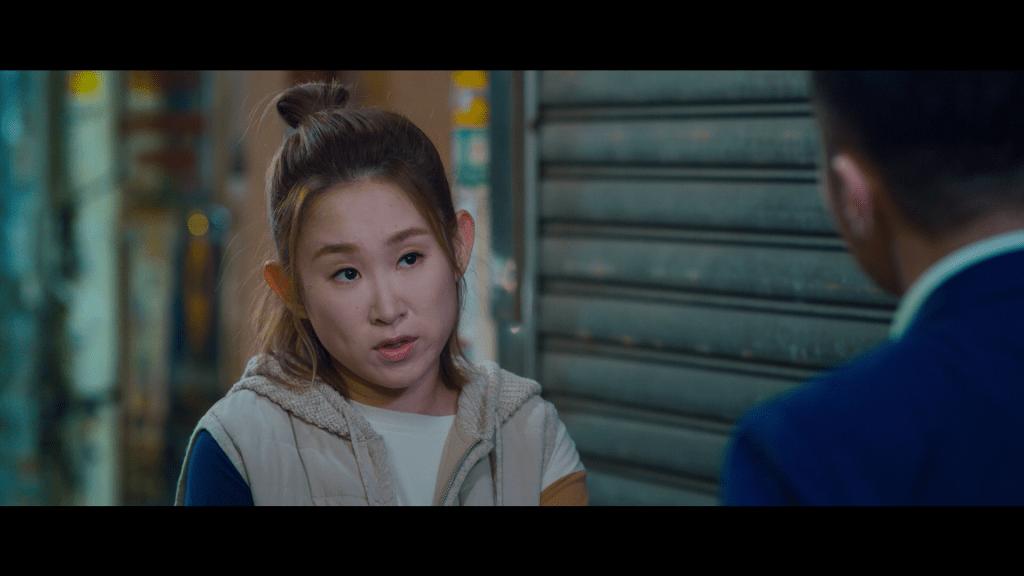
Ivana Wong as Suki

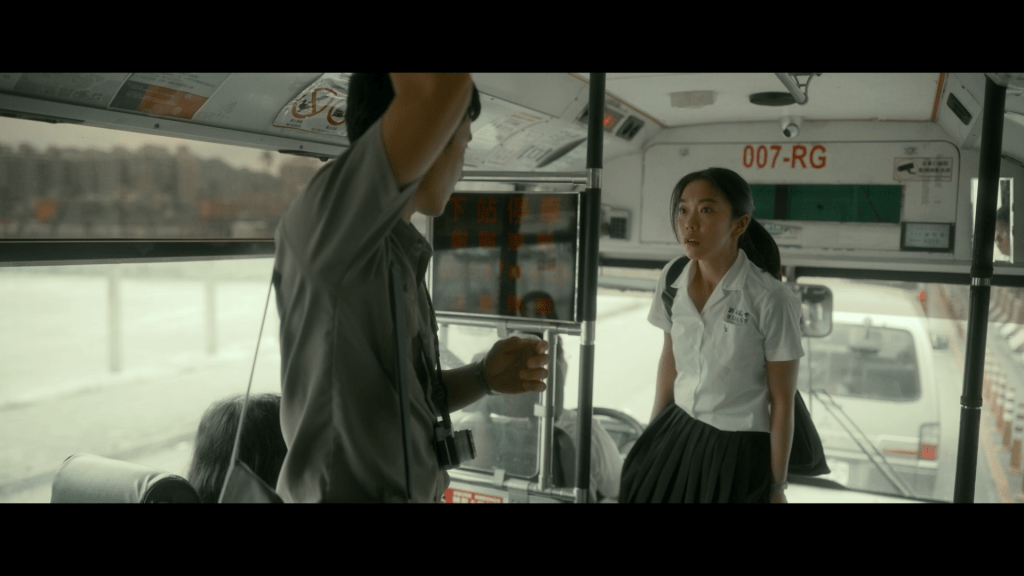
Ivana Wong’s new vehicle (pun intended I’m not sorry) is a genre hybrid following a recently dumped woman trying to find a new path in life. Luckily, there’s a lot more going for the film than simply Ivana Wong’s presence in the lead role. Ostensibly a romantic drama, the film branches out into extended comedic scenes and even incorporates a bit of crime drama toward the climax. While I’ve never particularly been a huge fan of director, screenwriter, and producer Patrick Kong (his cynical penchant for focusing on young people in awful relationship grinds down my patience like sandpaper), he has perhaps found a new footing in focusing on a middle-aged couple. That’s probably not so surprising, given his arguably most interesting film to date was 72 Tenants of Prosperity which also included middle-aged characters.

Suki (Ivana Wong) and Chico (Edmung Leung) are in their early 40s and have been together for 7 years, running a business together and edging towards marriage. With matrimony in her grasp, their sauce business attracts the attention of Mainland Chinese businesswoman Kiki (Jacky Cai) who has ulterior motives.
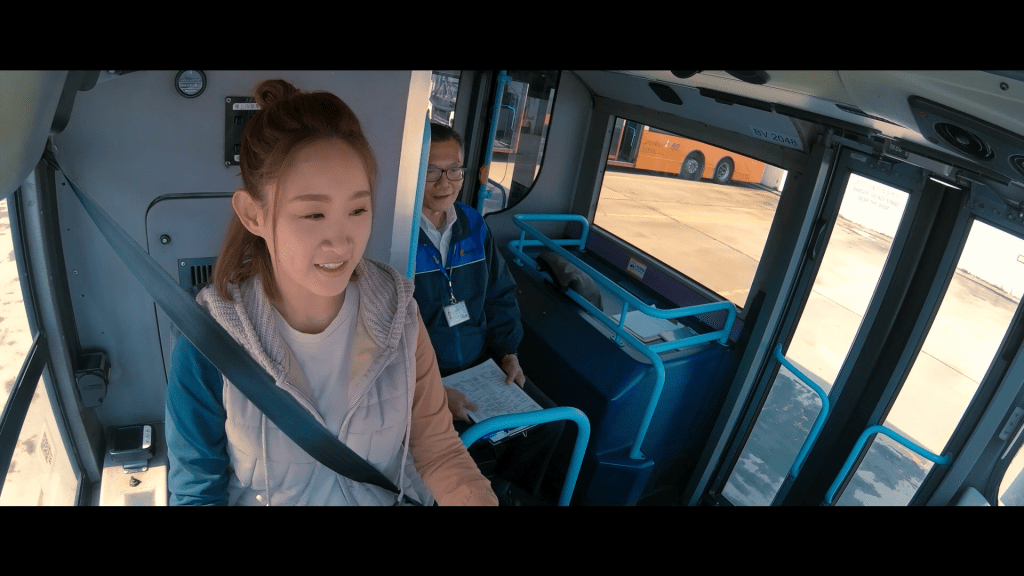
First things first, this is a lighter-themed movie and Ivana Wong always seems to enjoy these roles. As lovely as ever, the now 41 years old Wong has improved her command of the screen and versatility. It’s always a joy to see her in movies, even with the more serious dramatic turns like Ann Hui’s Our Time Will Come. Granted, being only a Category IIA film and a Patrick Kong movie, don’t expect the rest of the cast to always be on Ivana Wong’s level of dialog delivery and emotional display. That’s just how it is, though, it’s a local HK production and no one is going to see these for their believable tearjerking moments.
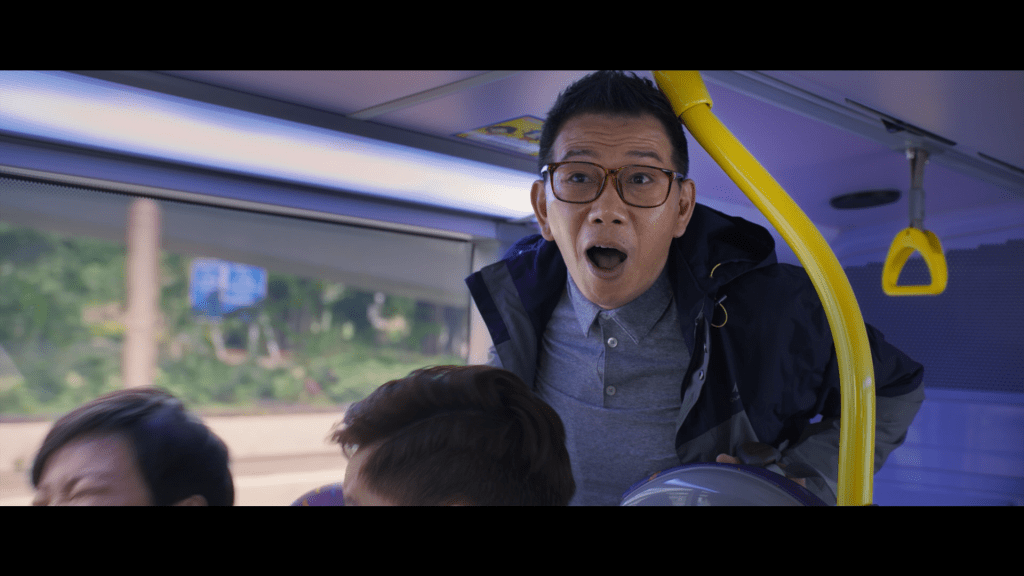
That said, the real pleasant surprise here is the chemistry between Wong and Philip Keung as Manny, the jilted ex-boyfriend of Kiki. Keung here shines in a role that exhibits the same emotional peaks and valleys as Suki, but without progressing into emotional whiplash. Keung is in the most comedic role of the film, with exaggerated emotions juxtaposed with bouts of intense solemnity that seem to imply his character is not necessarily playing with a full deck. His outbursts recall Al Pacino’s Detective Hanna in Michael Mann’s Heat. The way Ivana Wong and Philip Keung play off each other, with her character becoming serious and dignified in response to his character’s brashness and questionable mental stability, is a running joke in the film. Also be on the lookout for a hilarious reference to the 2018 HK film Tracey, also starring Philip Keung. If you’ve seen that, you’ll get the joke.
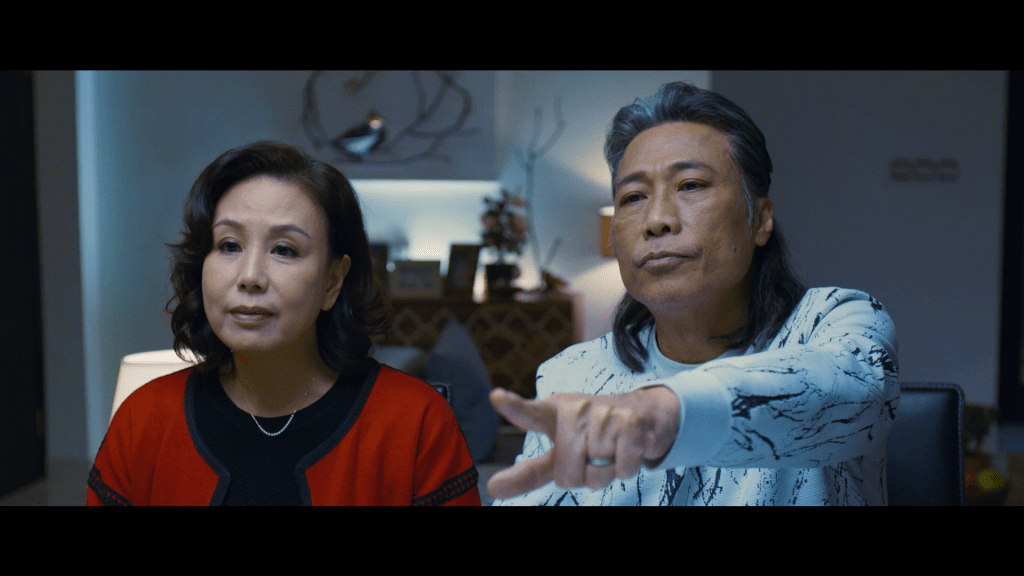
There are some lines of dialog that might very well be Patrick Kong’s advice to the audience, and it’s not subtle at all, but then, subtlety is hard to come by in Hong Kong features. I mean, Jacky Cai’s Mainlander character is an obvious scheming villain. Could it be a political jab of sorts? I certainly got a kick out of it. I won’t go so far as to say there’s truth to the portrayal, because I don’t want to get sued, so instead I will say that I enjoy when a film like this dabbles in realism.

Still, The Calling of a Bus Driver is certainly a step up from Patrick Kong’s other scripts and films. Increasingly towards the end, the film’s moving between genres becomes clearer, with a segment on Wong’s bus concerning a pregnancy and an argument resembling a Mexican standoff, before going back into relationship drama and then finally a foray into crime drama. Does the film shift as deftly between genres as, say, Robin Campillo’s Eastern Boys? Definitely not, but the film comfortably settles into each genre before picking back up again. If this is what Patrick Kong is capable of, I hope he stays the course

4/5
The Calling of a Bus Driver
105 minutes
2.35:1 AR
In Cantonese and Putonghua with English subtitles
Written/dir. by Patrick Kong
Cinematography by Yip Shiu Kei
Hong Kong production
Released 14 November, 2020
Blu-ray disc from Panorama
My Missing Valentine (2020)

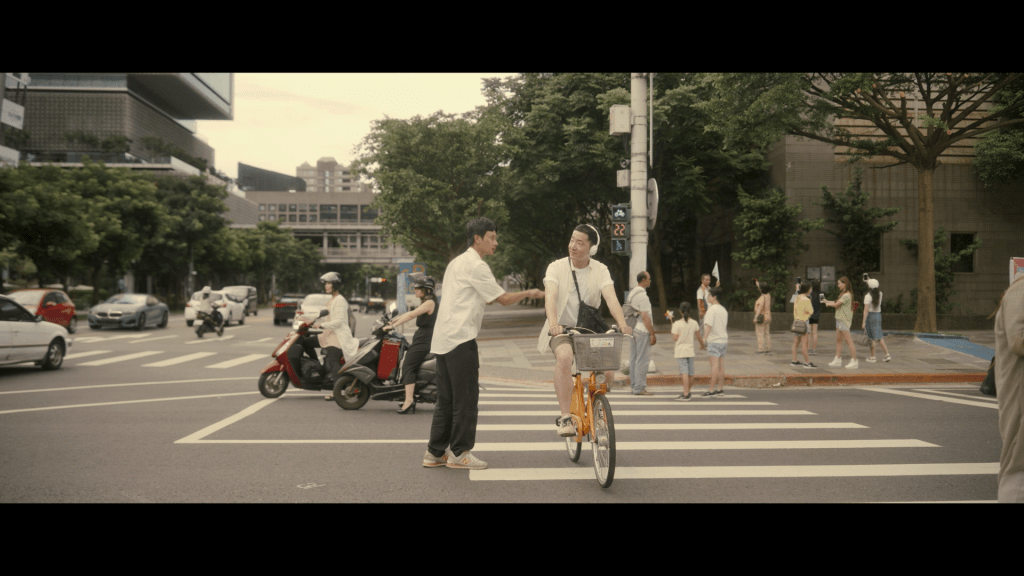
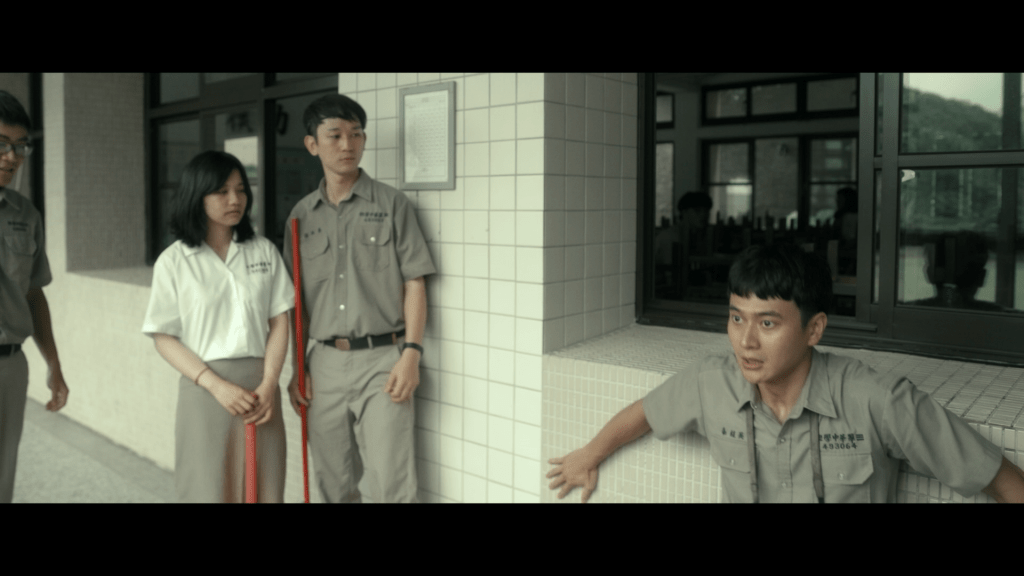
Chen Yu-Hsun’s latest masterpiece celebrates the connections we make with people and the often-delayed realizations that those connections exist.

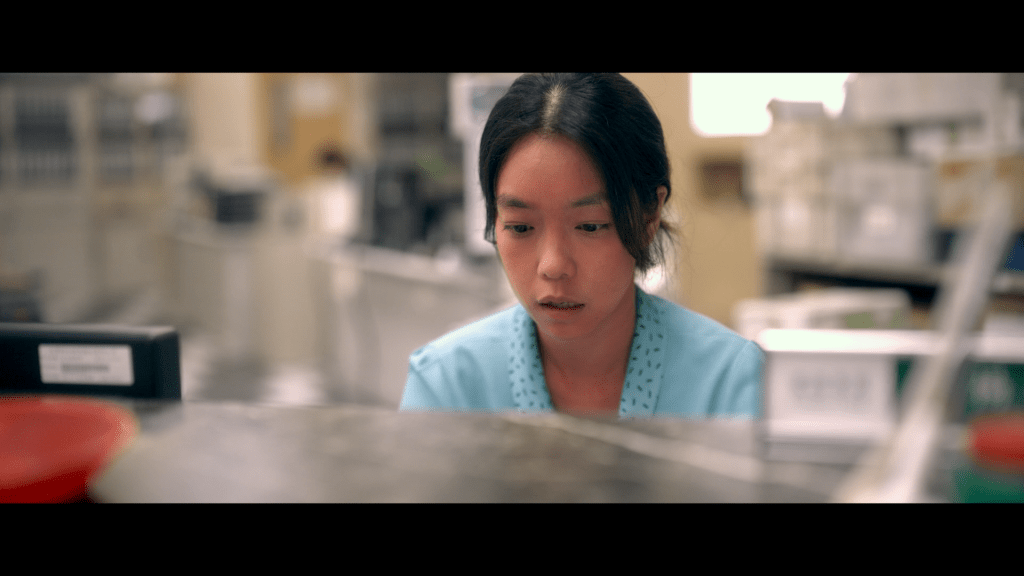
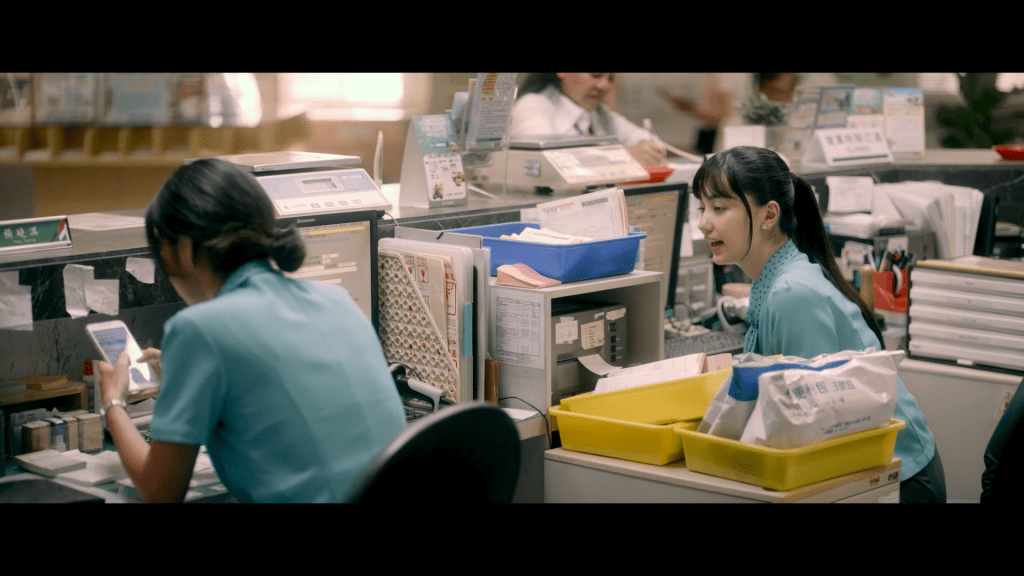
Yang Hsiao-Chi is a young woman who, for her entire life, has always moved one second faster than everyone else. While she has learned to cope with it, for the most part, she worries that being out of sync is the reason why she hasn’t found love yet. When an aerobics dance instructor pursues her after meeting in a park, she prepares for their Valentine’s Day date, only to find out after that the entire day disappeared.

I have long been a fan of Chen Yu-Hsun’s works, starting from Tropical Fish. He is alone among his New Taiwan Cinema contemporaries for his focus on comedy, but his films are no less insightful than the films of Hou Hsiao-Hsien, Edward Yang, or Tsai Ming-Liang.

What would a Chen Yu-Hsun film be without quirky, if not extremely eccentric, characters who are, mostly, accepted as normal by everyone else? The family of kidnappers in Tropical Fish who cheer when their crime hits the news, as it will bring them fame; the homeless chef in Zone Pro Site (played by screenwriter Wu Nien-Jen) who fashioned a feast out of the pages of a cookbook; the gang of bandits in The Village of No Return who announce their threatening behavior by aggressively scat singing in their victims’ faces, the list goes on… I am happy to report that My Missing Valentine is no different. To explain any further would spoil a major plot development.
Chen Yu-Hsun has a real knack for not just writing sympathetic characters, but for being sympathetic towards his characters. The humor throughout the film arises from the awkward situations they find themselves in and their banter between each other, but jokes are never made at the expense of characters themselves, including the supporting characters. I think that takes a significantly humanitarian approach to storytelling, especially in an age where some people complain that not being able to mock people for their immutable traits is restrictive for comedy.

The cinematography by Patrick Chou is incredibly varied. Long shots alternate with closeups, and tracking shots occur frequently. It’s fitting for this film, and thanks to an average shot length that is never frenetic, it’s not at all disorienting. Shot/reverse shot sequences dominate dialog scenes, but there is a clear understanding of space and timing and it seems to have been utilized mainly to spotlight the humorous reactions characters have to each other when one says something weird.

The score is your sort of average Taiwanese rom-com score; you might not find most of the music memorable, but it matches the mood and it’s also not blared into your ears. Most surprising to me was the use of English songs for key scenes instead of Taiwanese pop ballads. Because I associate the New Taiwan Cinema filmmakers with such a local emphasis, I was caught completely off-guard hearing it, but it works for the movie, I think. I mean, I wouldn’t complain even if I didn’t like the music, it’s a Chen Yu-Hsun film and we only get one of these every few years.

I’ve only revealed half of the plot in my synopsis, because the film is two acts and I would rather not ruin the surprise of the second act. I will say that the film champions the idea that sometimes, something or someone that might seem mismatched to you at first could very well be synchronized with you in a way you don’t expect. It’s a sweet, lovely idea that the film handles well, and thankfully doesn’t go too far off in a Hollywood direction by refusing to acknowledge questionable behavior. I can’t wait to watch it again.

5/5

My Missing Valentine
119 minutes
2.35:1 AR
In Taiwanese Mandarin with English subtitles
Written/ dir. by Chen Yu-Hsun
Cinematography by Patrick Chou
Released 18 September 2020
Taiwanese production
Blu-ray Disc from Deltamac Taiwan

The Woman Who Left

I will eventually upload the rest of my other reviews that I’ve been sitting on, but I’m trying to catch up on HK cinema and doing the whole new year cleaning thing which isn’t actually a thing because I just made it up.

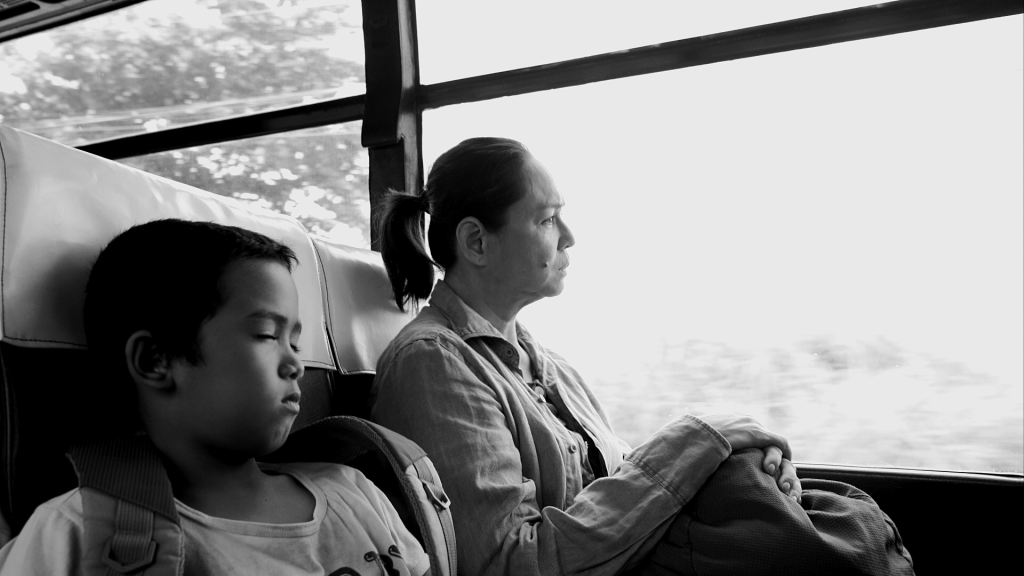
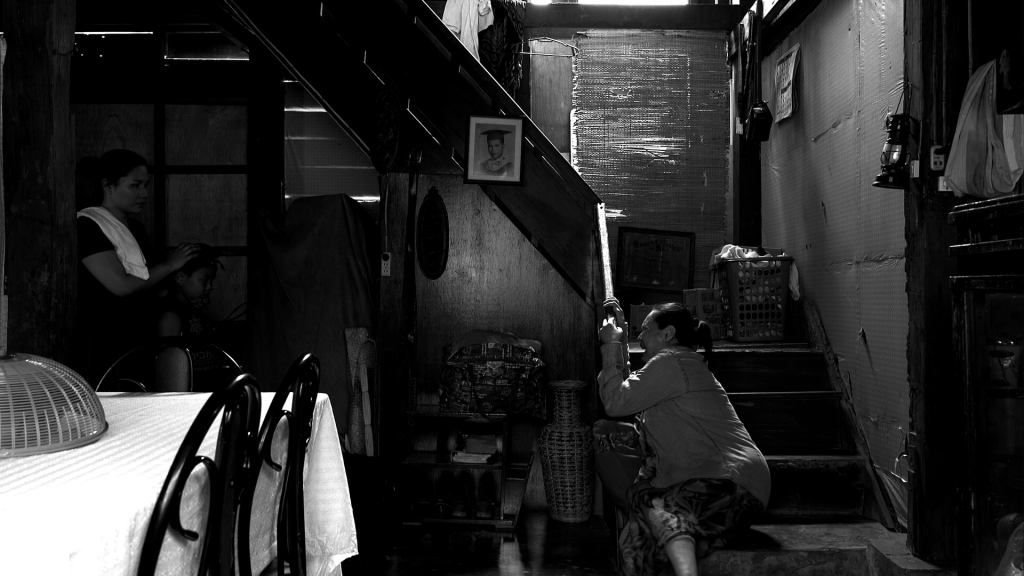
Pinoy filmmaker Lav Diaz might be best known in film circles for his prominence in slow cinema; he has even made some of the longest narrative films in movie history. His Evolution of a Filipino Family from 2004 carries a runtime of 10 hours and 43 minutes, 2008’s Melancholia clocks in at 7 and a half hours, while his 2013 opus Norte, the End of History is 4 hours and 10 minutes long. The Woman Who Left is his shortest film — only 3 hours and 48 minutes — and is also Lav Diaz at perhaps his most accessible (hinted by the starring roles by media executive Charo Santos-Concio and TV mainstay John Lloyd Cruz). What’s most remarkable, however, is that he produced, wrote, directed, and shot the film by himself.

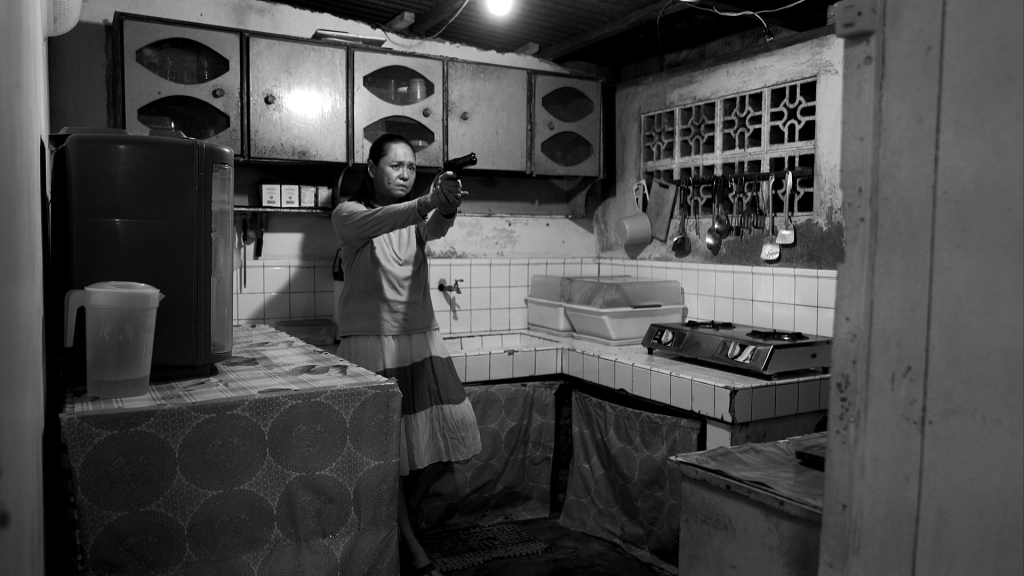
Horacia Somorostro (Santos-Concio) is released from prison for a crime she didn’t commit. Back on the outside, Horacia discovers her husband has passed away and her son is missing, but manages to reconnect with her daughter Minerva although it’s an uneasy relationship. When Horacia learns that her ex-boyfriend, Rodrigo Trinidad, a rich playboy living comfortably in his compound but almost never leaving due to fears of being kidnapped and held for ransom, Horacia begins to stalk Rodrigo’s movements and plan her revenge.

Clearly taking influence, like much of Lav Diaz’s oeuvre, from the works of Fyodor Dostoyevsky and Leo Tolstoy, The Woman Who Left is very loosely inspired by Tolstoy’s short story “God Sees the Truth, but Waits” about a man falsely imprisoned and how he grapples with the injustice and his fate. Echoing Tolstoy, Diaz tackles numerous social and political problems in one go, although that is not to say this film or any of his others are bloated thematically. Every topic is approached with subtlety, sometimes through overheard radio chatter, often in the looks Horacia gives to the people and setting around her.

The great film critic Roger Ebert once summarized the value in a film as being in not just what it’s about, but how it’s about it. The Woman Who Left is a revenge epic, but how is it about revenge? By exploring Horacia’s shifting beliefs regarding family and forgiveness. More than anything, The Woman Who Left is a movie about the numerous questions its characters ask: “Are you really fair and just?” “Why can’t I fight this hell within me?” “Why does evil always overcome my soul?” None of these are answered immediately, as the characters’ journeys are what provide the responses.

Upon Horacia’s release from prison, she struggles to stand on her own two feet again. Given the natural tension that her 30-year absence and wildly different conception of justice have caused between herself and her daughter, Horacia’s desire to care and nurture is juxtaposed by her implicitly cruel plans for Rodrigo when she finally nails him. However, things begin to change when Horacia encounters the three people who will become her companions: a hunchbacked street food vendor selling balut, an epileptic transgender sex worker prone to fits of drunken dancing before her seizures, and a young homeless woman who sees demons everywhere due to mental illness. While they are at first merely useful to Horacia as unwitting informants, her growth into their caregivers, despite still being set on her vengeful mission, is at the heart of this morality play.

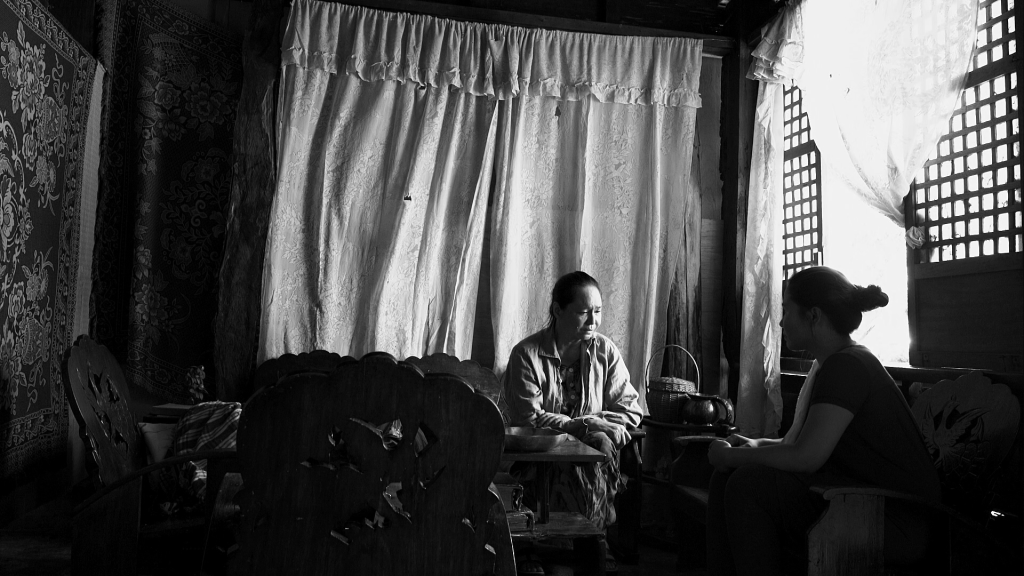
The stark black and white cinematography by Diaz is mostly still. Considering the film’s nearly 4-hour runtime, the camerawork elicits an incredible sense of urgency and intimacy because of how Diaz worked. Characters conversate in static shots with no reaction shots. Even when there is a character moving, there is no tracking shot or pan or tilt; like Horacia, the camera lies in ambush, simply observing. I wouldn’t call the film’s pacing languid, necessarily. It is, as Gil Quinto describes in his marvelous essay (included with the Kino Lorber disc) on the film “Visions from the Abyss” a “free-form” narrative. The nighttime photography is wondrous, and luckily there are almost as many scenes at night as there are during the day and for the former, the chiaroscuro approach results in striking shot compositions.

The soundtrack and score are practically nonexistent. Random birds during the day and crickets at night, but this is a film where songs act as cues for emotion. I am usually loath to use the phrase, “it’s not a film for everybody” because I think everybody with the use of all their senses should be able to apply themselves to be immersed into a film such as this, however, the minimalism of the film will likely be a problem if you’re one of those people who dismisses terms like “contemplative” or “deliberate pacing” and prefer things to happen in the movies you watch. Truthfully, not much that could typically be described as “conflict” or “action” happens for most of the film besides conversations, but to evoke Roger Ebert again, what those conversations are about is one thing, how those conversations unfold is another matter entirely. Sometimes, stories transcend their trappings. Sometimes, people can, too.

The Woman Who Left (Ang Babaeng Humayo)

228 minutes

Philippines, 2017

4.5/5

Favourite albums of 2020

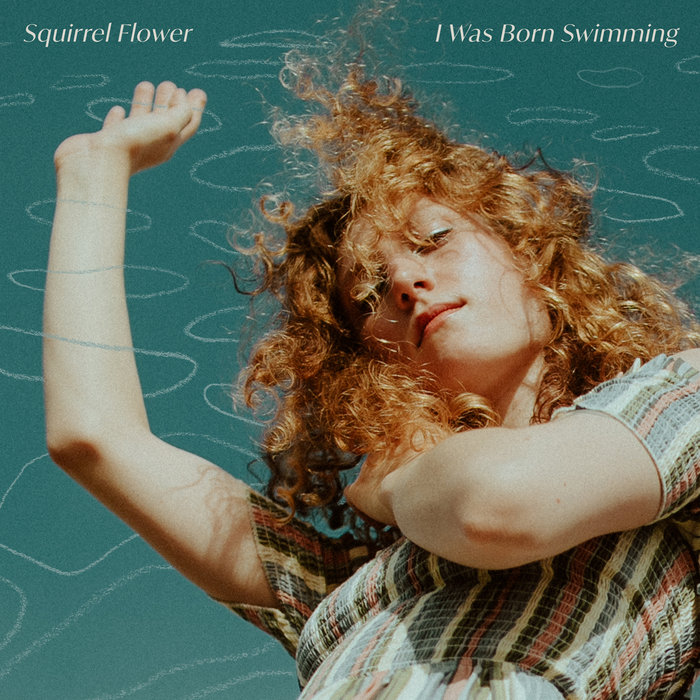
1. Squirrel Flower – I Was Born Swimming
2. Paul Weller – On Sunset
3. Squarepusher – Be Up a Hello
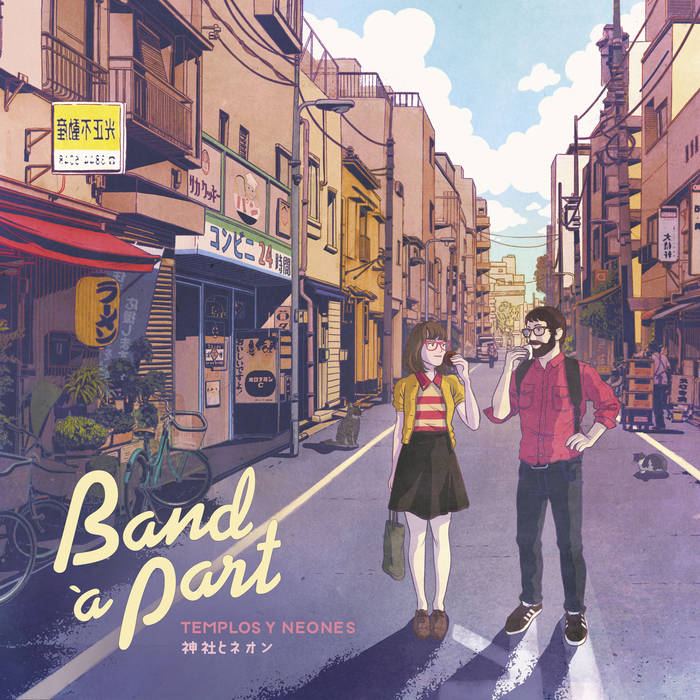
4. Band À Part – Templos y Neones
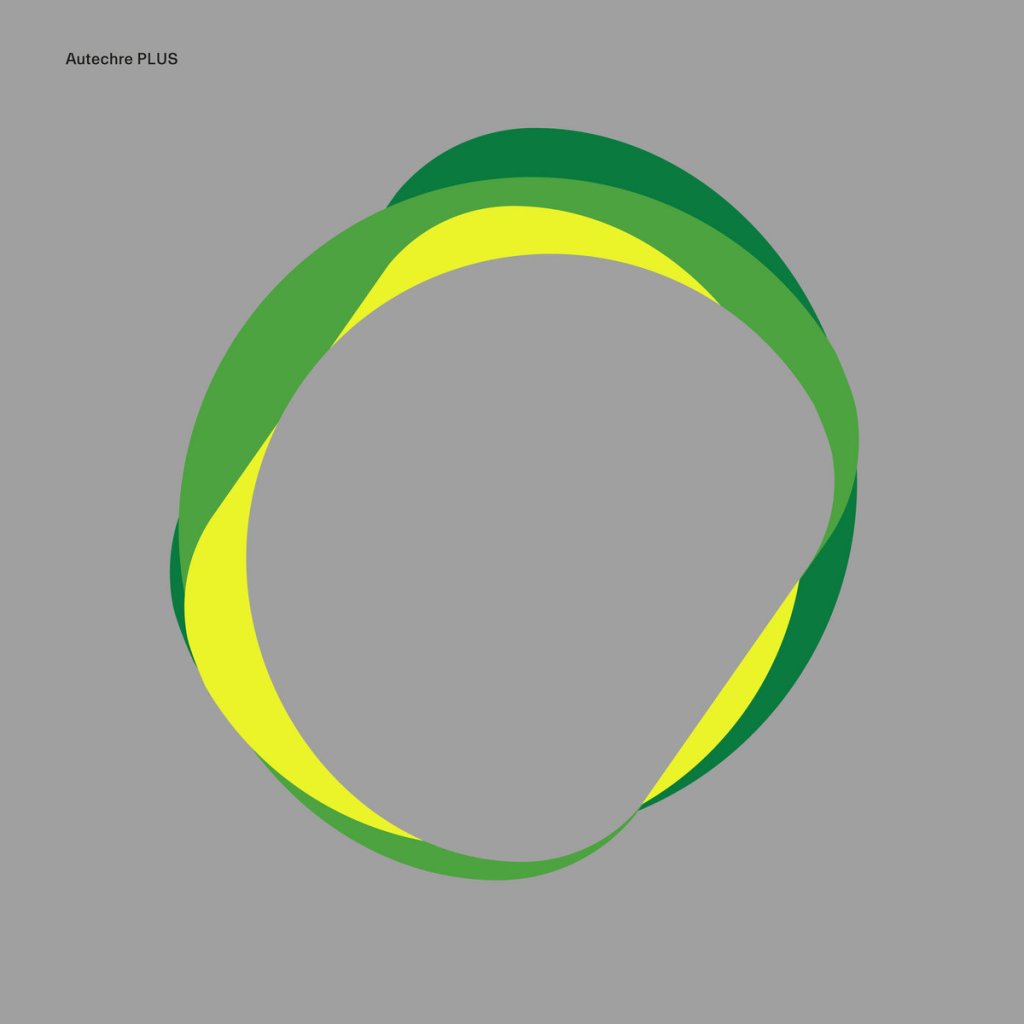
5. Autechre – Sign/Plus
6. Oneohtrix Point Never – Magic Oneohtrix Point Never
7. Future Islands – As Long as You Are
8. Into It. Over It. – Figure
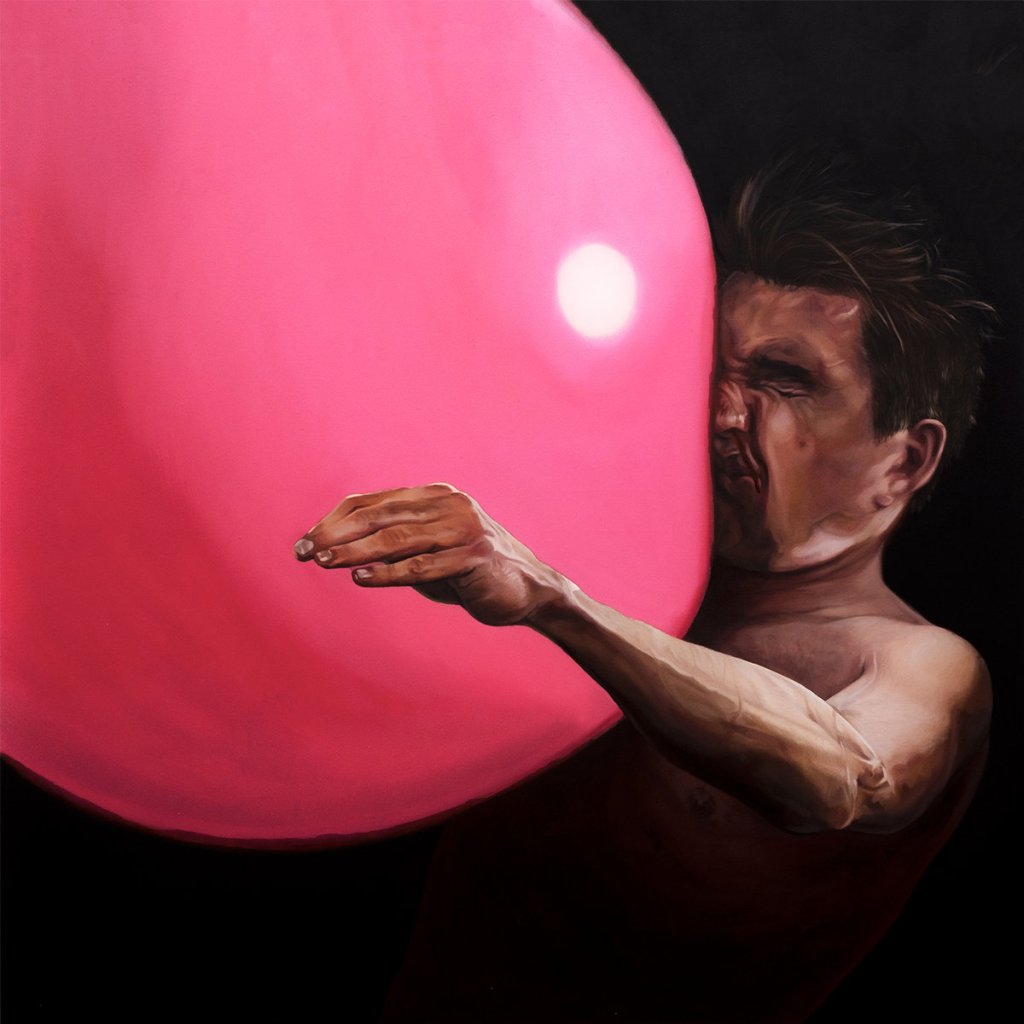
9. Idles – Ultra Mono
10. The Weeknd – After Hours
11. Hazel English – Wake UP!
12. Zopa – La Dolce Vita
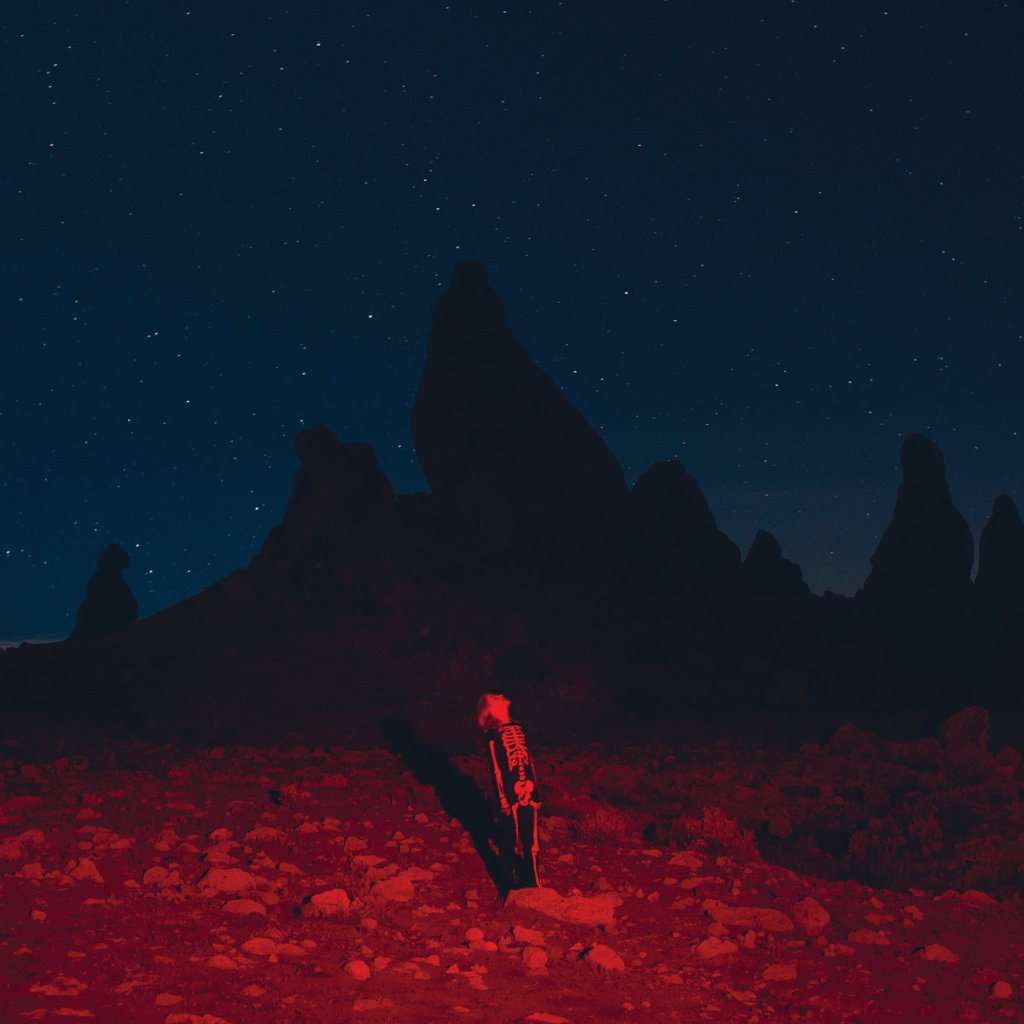
13. Phoebe Bridgers – Punisher
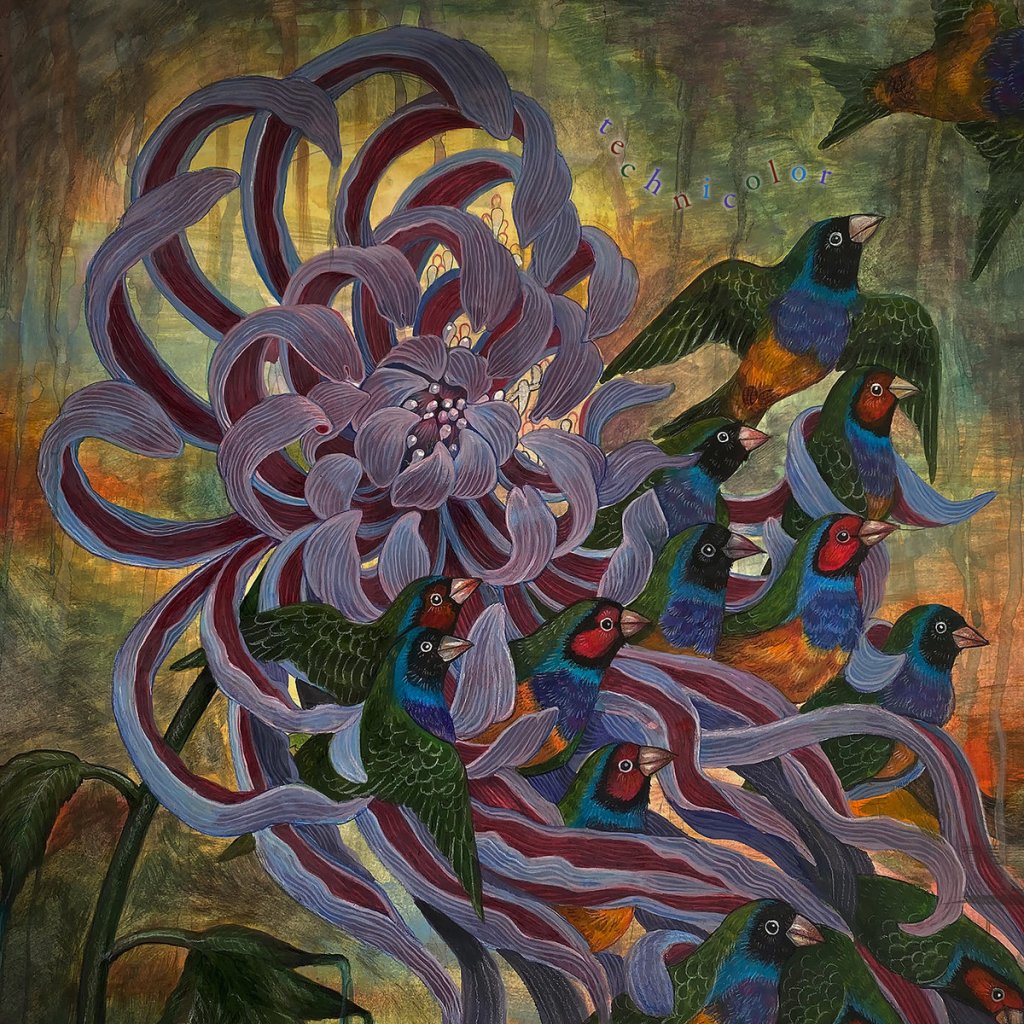
14. Covet – Technicolor
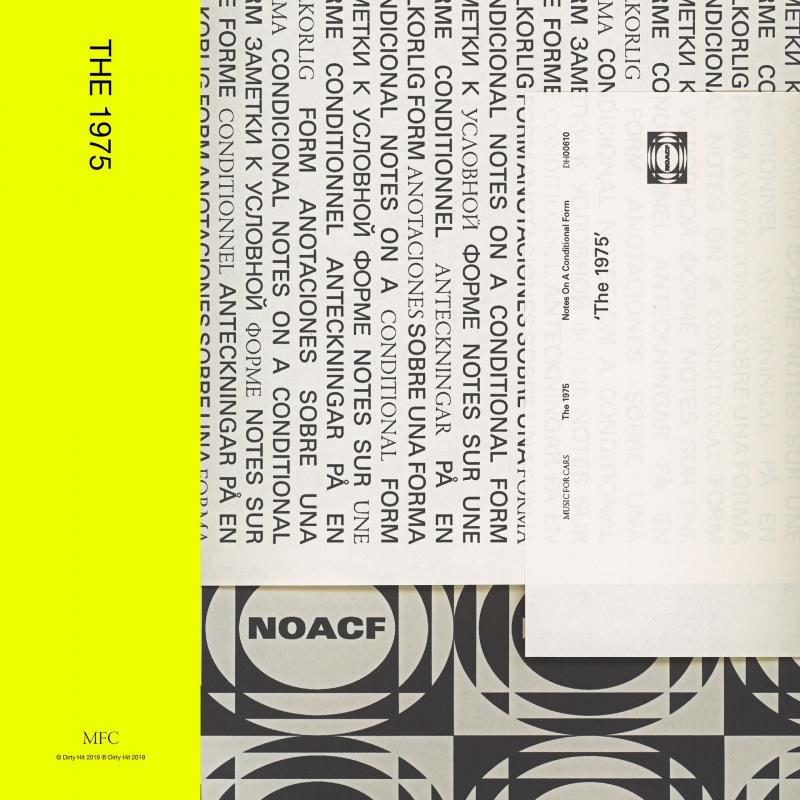
15. The 1975 – Notes on a Conditional Form
16. Anna Burch – If You’re Dreaming
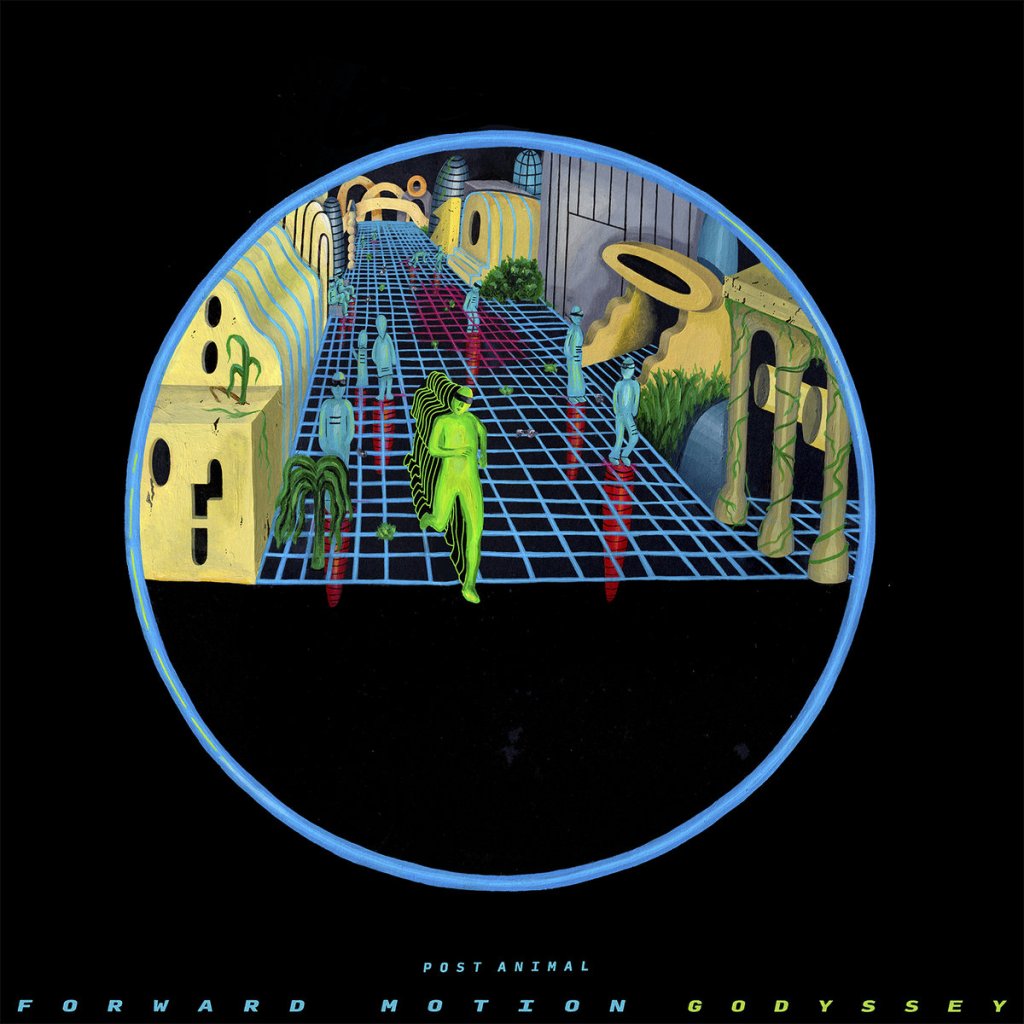
17. Post Animal – Forward Motion Godyssey
18. Yves Tumor – Heaven to a Tortured Mind
19. TOKiMONSTA – Oasis Nocturno
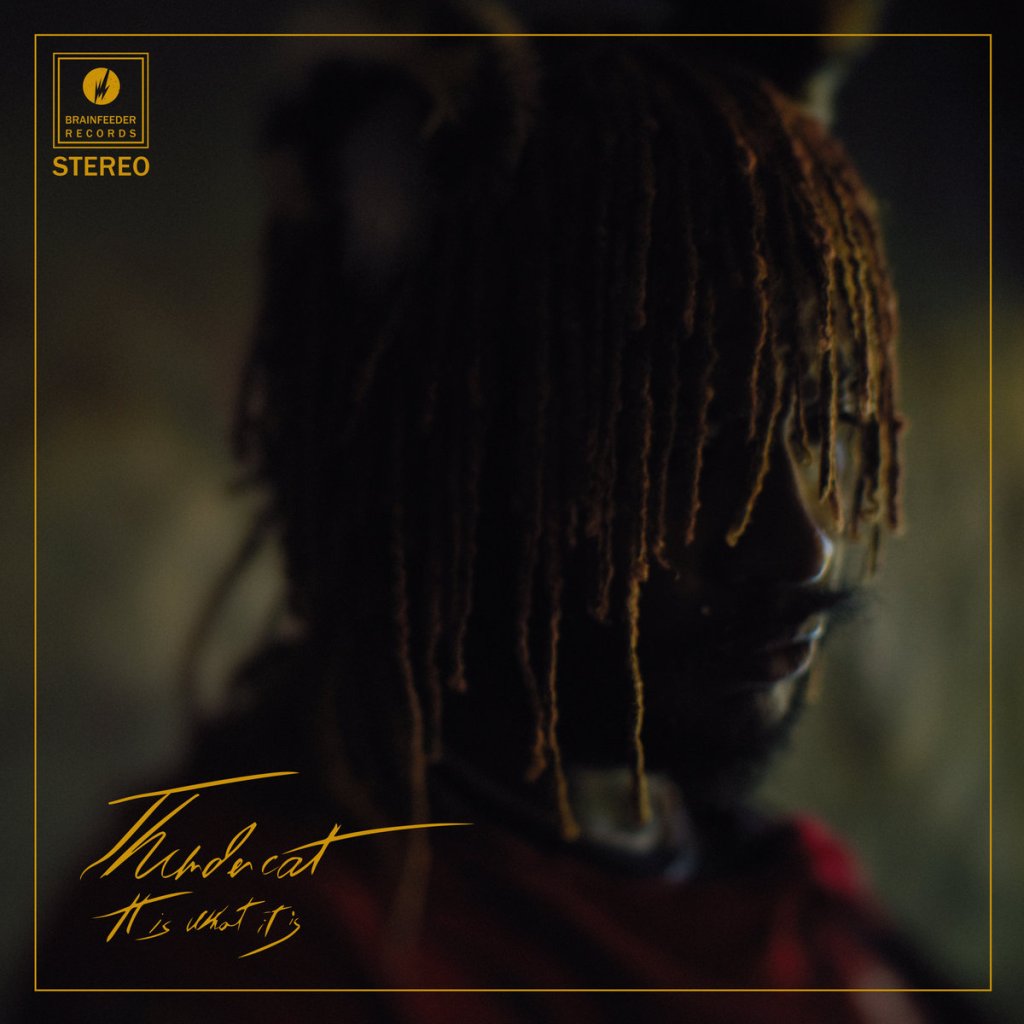
20. Thundercat – It Is What It Is
21. Jhené Aiko – Chilombo
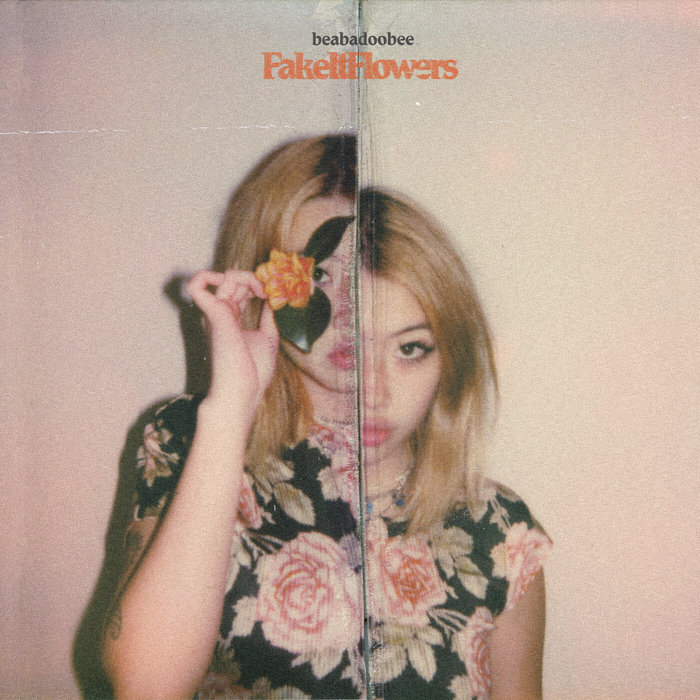
22. Beabadoobee – Fake It Flowers

House of Hummingbird

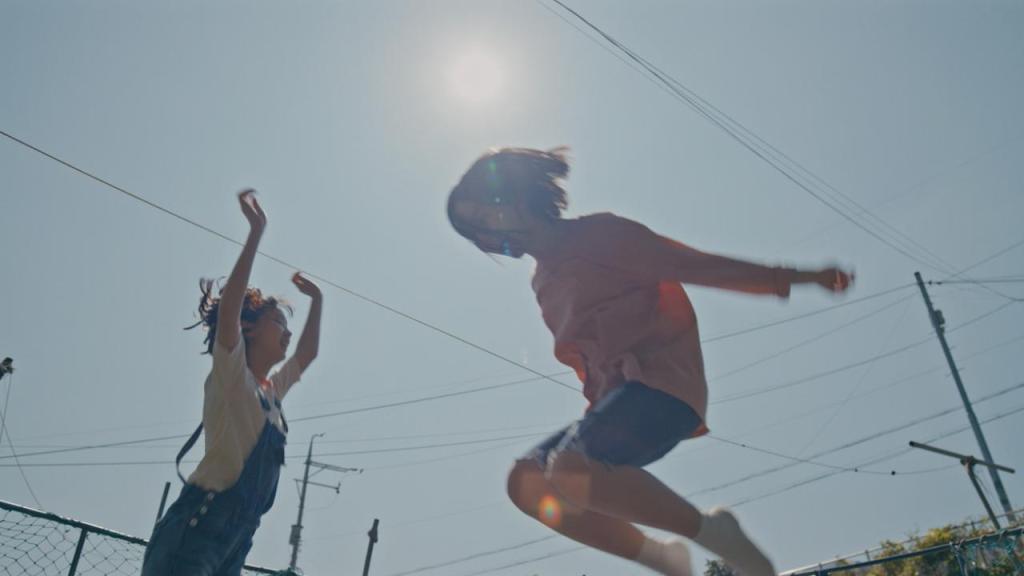
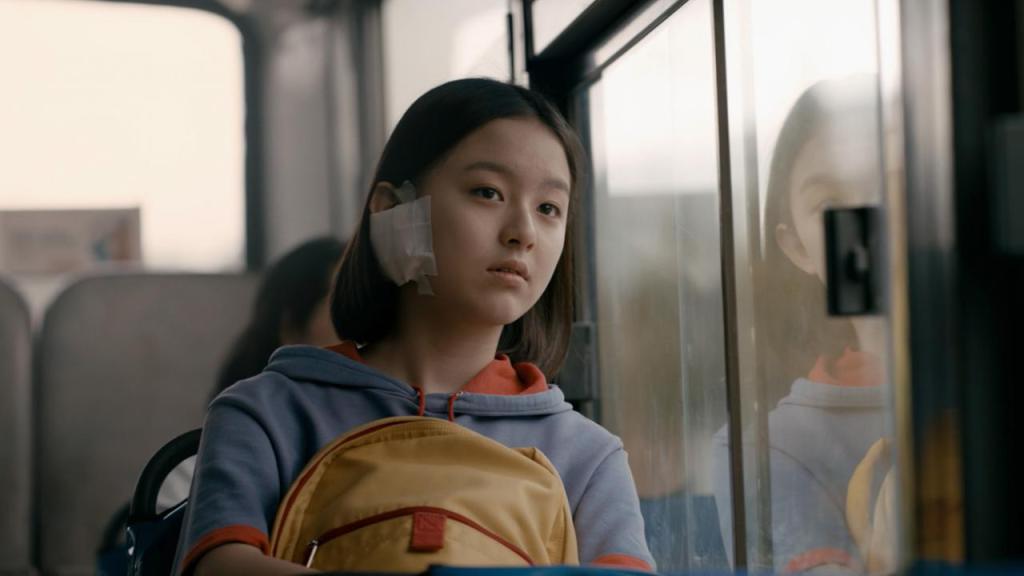
Devastating, beautiful. One of those films that I believe are the reason cinema exists, and this was Bora Kim’s feature-length writing and directing debut! I also won’t be reviewing this because I don’t feel it’s appropriate to score a film of this nature. It reminded me of The World of Us, though, which is another tremendous Korean coming of age film. WellGo is going to end up taking a lot of my money with their current streak.

Better Days

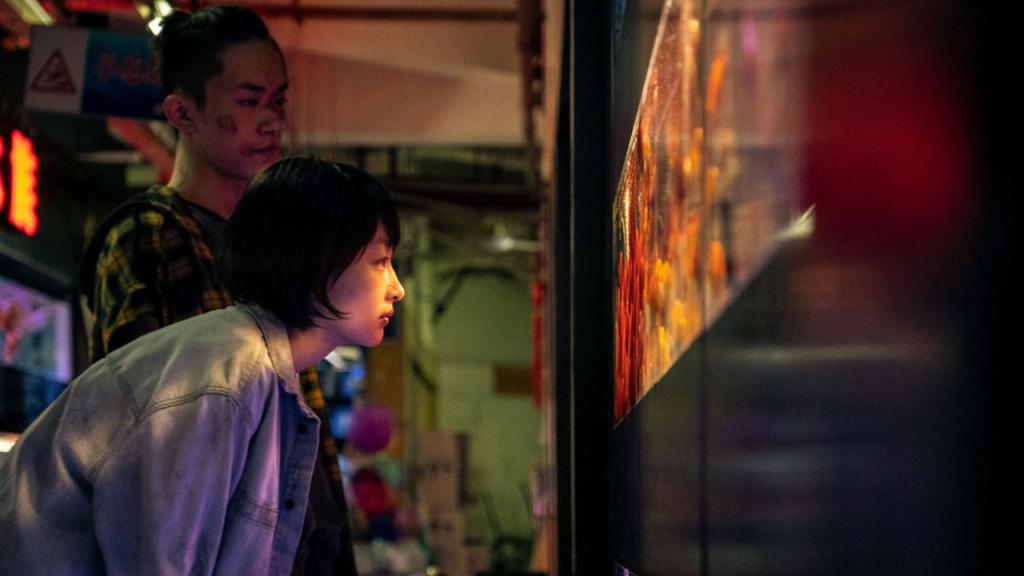
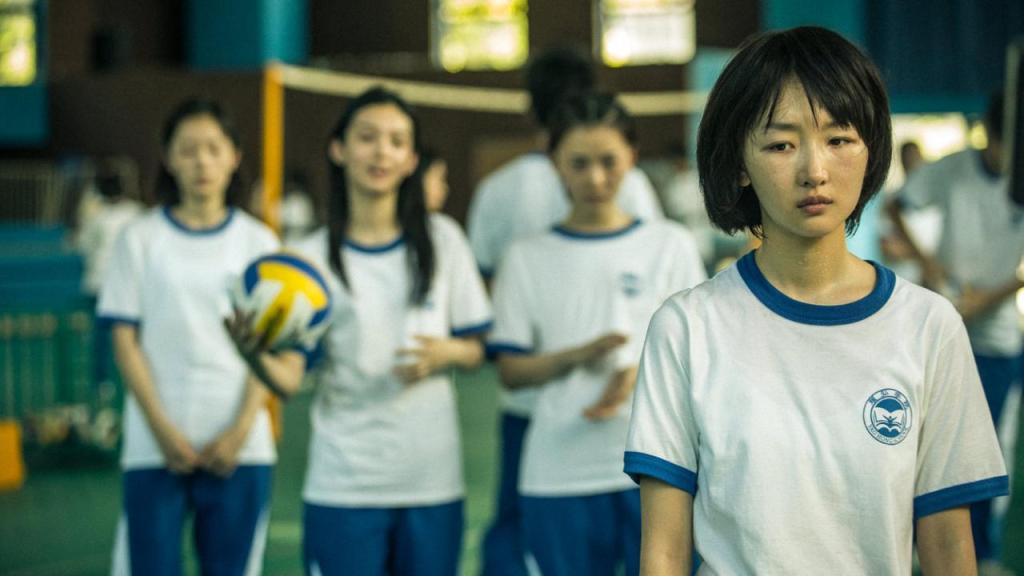
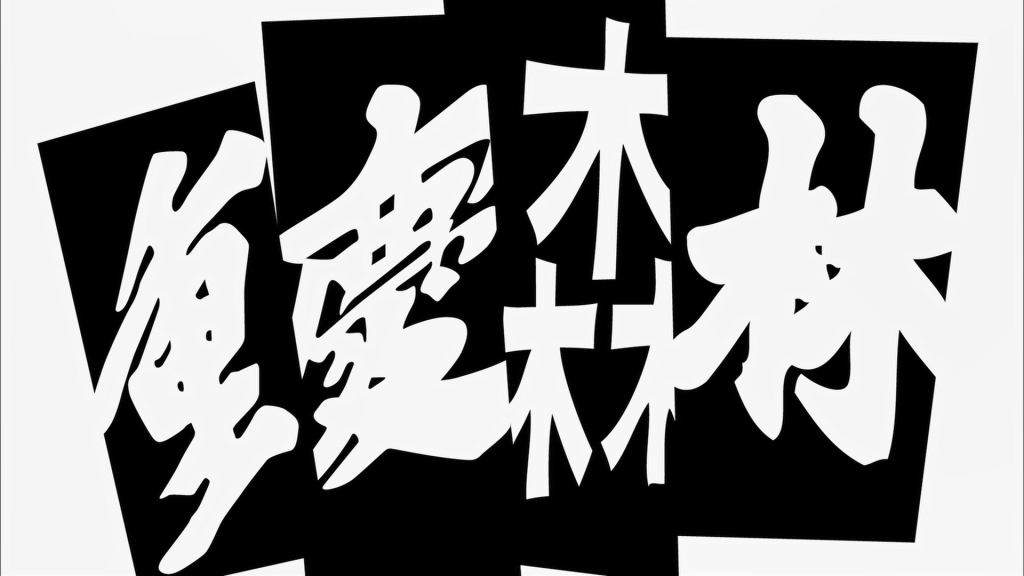
I picked up the Better Days blu-ray from WellGo USA, because the film got some buzz at the Hong Kong Film Awards and I was excitedly waiting for a US release. Let me tell you this movie was rough. It was great, but damn. Still, probably the best Chinese film I’ve seen since Mountains May Depart. No review because I’m busy editing footage for work and I still have to watch House of Hummingbird.

Made In Italy and the Summer of IFC Films

I finally had the chance to sit down and watch the wonderful Made In Italy last night, written and directed by James D’Arcy and starring Liam Neeson and his son Micheál Richardson. I won’t be reviewing the film, out of respect for the catharsis it provided the two actors, but I will say it holds a cultural and social value that far outstrips any complaints. Grieving is never perfect, but as an homage to the late Natasha Richardson, Neeson’s wife and Richardson’s mother, it is sincere. That goes a long way for me, personally.

That said, can I just say IFC Films are on a roll this summer? A string of great releases; Sputnik, which I’m about to watch as soon as I finish this, Made In Italy, The Rental, Relic, The Painted Bird (I bought the Czech bluray and have watched it twice), and Kore-eda Hirokazu’s The Truth. Now that I’m done with school for the time being, someone other than Kino Lorber and Film at Lincoln Center get to take my money for a while. At least until Cinema Guild’s next release. And don’t get me started on Criterion with that Fellini box. I may have to pursue a more lucrative field to acquire some of these releases.

On Michael Imperioli

I’ve always liked Michael Imperioli. I started to *really* like him, however, when I was watching some featurettes from The Sopranos; the cast were asked their favorite mob film. A majority of the cast, naturally, responded without hesitation that it was Marty Scorsese’s Goodfellas, which is undoubtedly and obviously a great film. A couple said Francis Ford Coppola’s The Godfather, another classic. What stood out to me, though, was when Michael Imperioli paused for a second and said his was The Killing of a Chinese Bookie by John Cassavetes. I love John Cassavetes. After hearing that, I thought to myself, if I was a filmmaker, this guy would never have to audition for a role in any of my works.

Michael Imperioli is now writing and directing his own films, and also a musician, interestingly enough. A Renaissance man. His first band was called La Dolce Vita (there are way too many bands with this name, by the way) and they either disbanded or changed their name, so now Imperioli leads Zopa with the rhythm section of Elijah Amitin on bass and Olmo Tighe on drums. They released their debut album on 1 July 2020, titled La Dolce Vita after his previous band. I absolutely had to buy it on bandcamp.

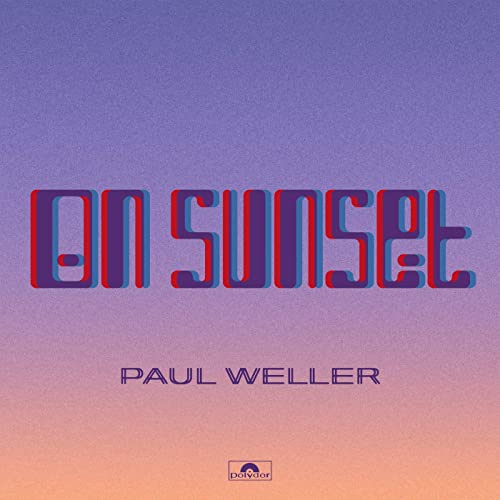
I’ve been rotating it out with the new Paul Weller album On Sunset. La Dolce Vita is interesting from start to finish, in a way that a lot of what’s going on is equally surprising and not surprising. The album opener is titled after a Douglas Sirk film — quite possibly his greatest film and my favorite of his oeuvre — All That Heaven Allows, so from the get-go you know you’re dealing with someone who has a handle on their multiple crafts. Imperioli’s singing style is definitely a surprise, sort of halfway between bluesy and someone who clearly enjoys a lot of post-punk. This is a guy whose main guitar is a Fender Jaguar HH with the name “Isabella” scrawled in permanent marker between the bridge and controls.

Imperioli was on NTS Radio yesterday with a playlist that included Charlie Mingus, B-52s, and Richard Hell & the Voidoids. Yeah, this guy is pretty fucking awesome. You should probably buy La Dolce Vita by Zopa.

Chungking Express

This was an assignment for class but I’m sharing it here because I put effort into it.

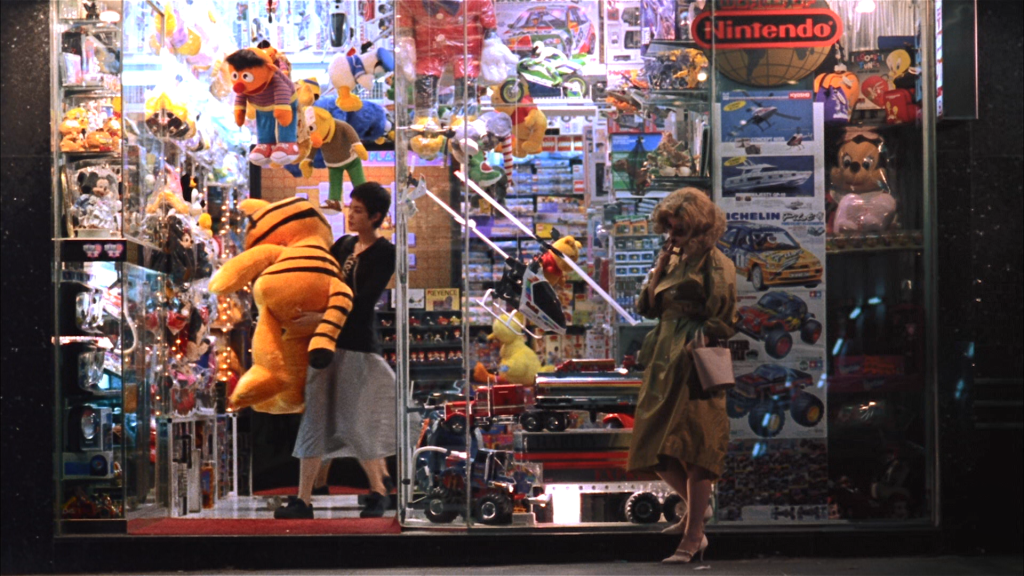
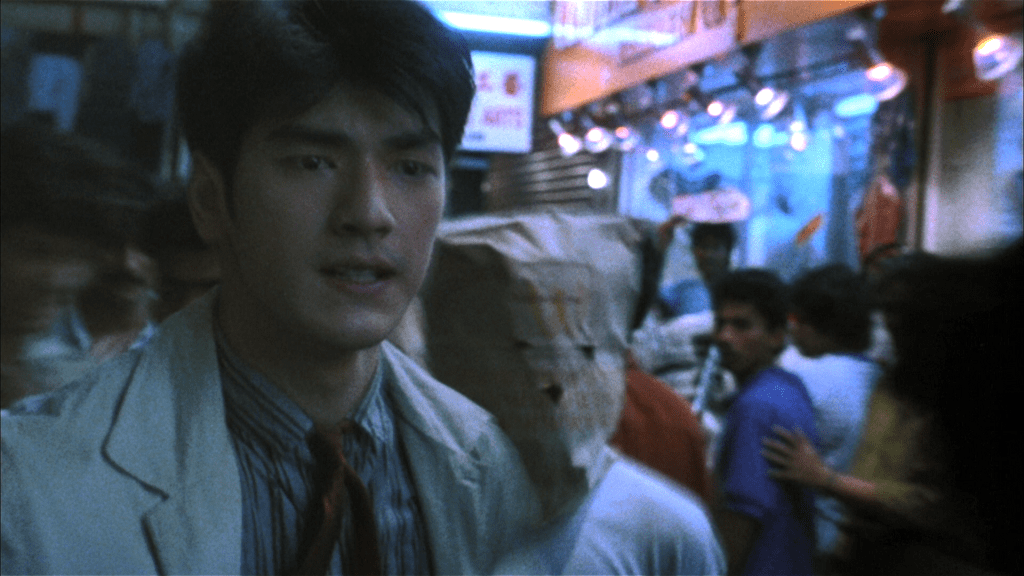
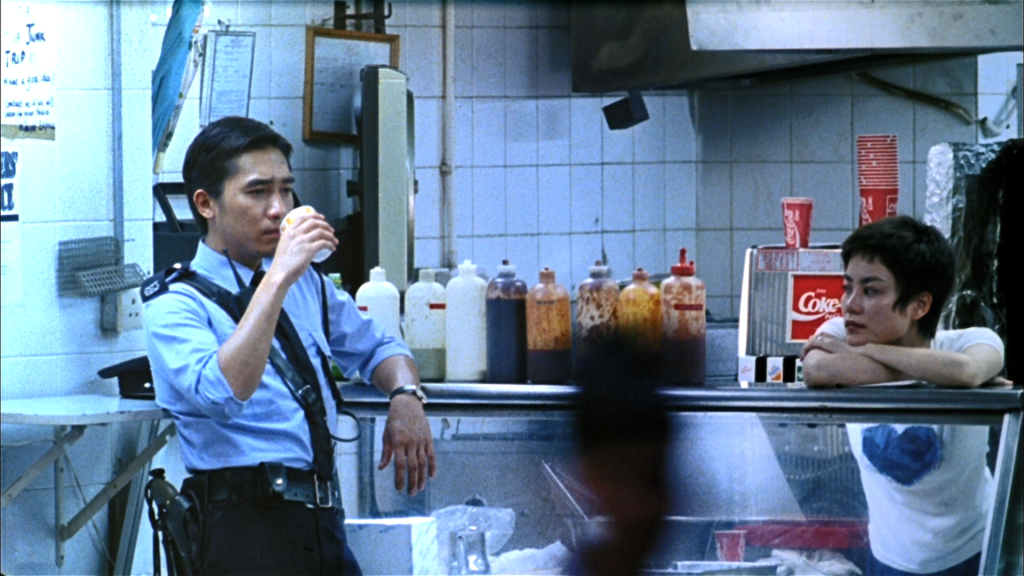
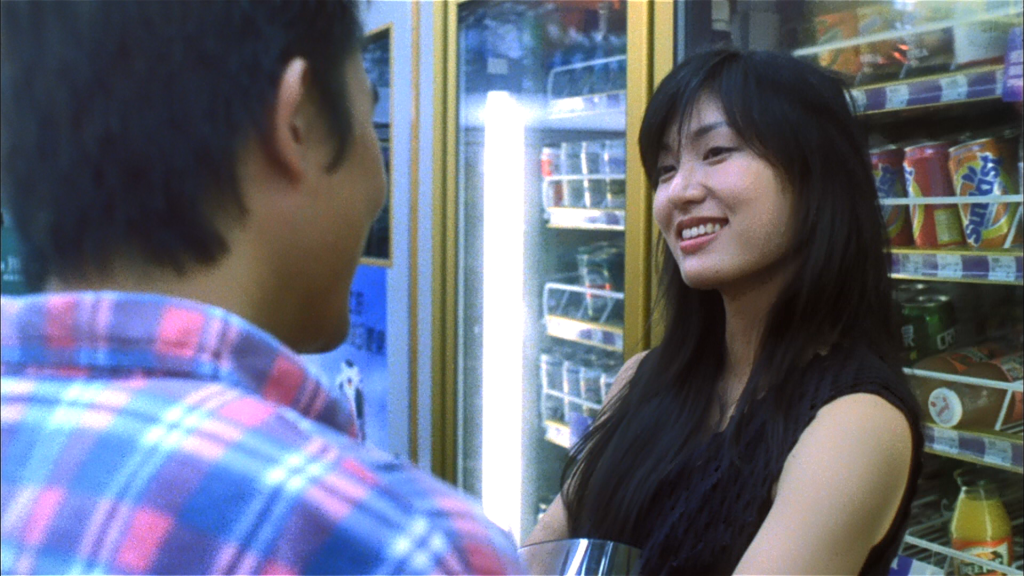
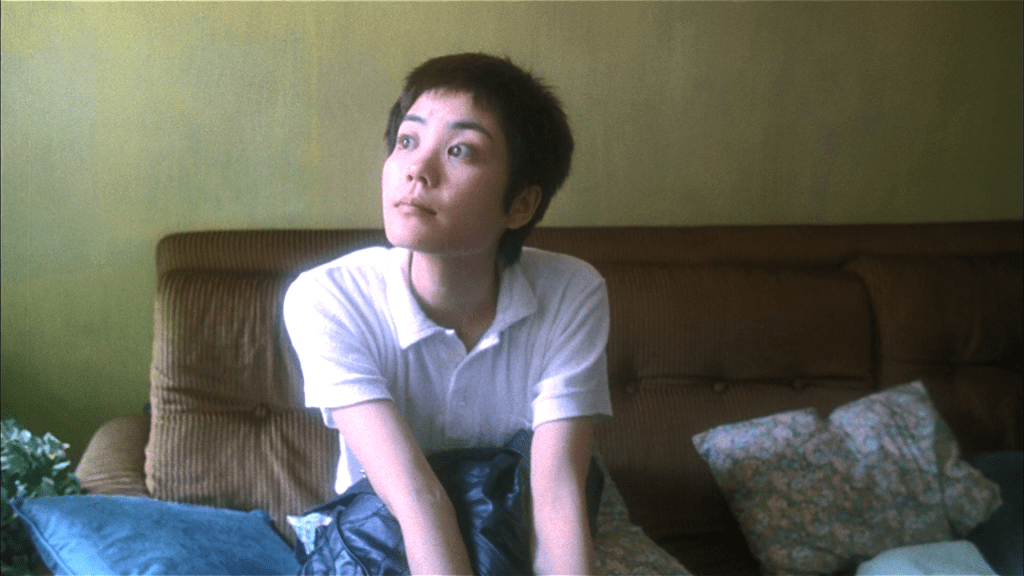
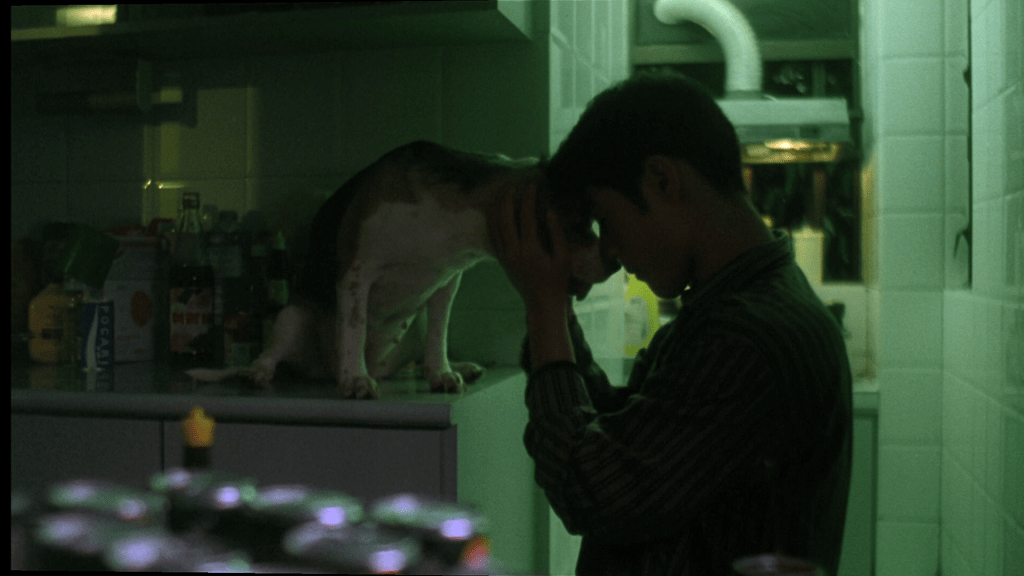
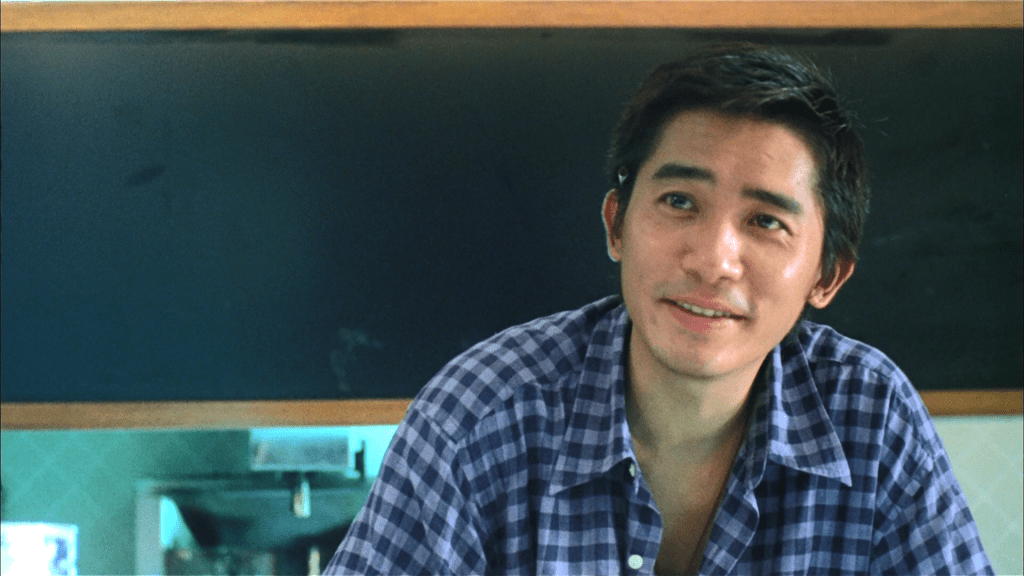
Wong Kar Wai’s 1994 opus Chungking Express is essentially two films in one with seemingly very little connection. The first part follows a police officer pining for a lost love although he soon becomes obsessed with a female criminal dealing drugs and trafficking immigrant workers. The second part follows another police officer as he tries to come to grips with his stewardess girlfriend having dumped him, as the sole employee at his favorite local restaurant becomes obsessed with him and unbeknownst to him, sneaks into his apartment while he is away to clean up and spruce up the place to cheer him out of his depression. In fact, a bridge between these stories is a subtle scene 16 minutes and 46 seconds in, where Faye Wong’s character Faye — the aforementioned restaurant employee — is buying a giant teddy bear in a shop Brigitte Lin’s nameless character (the aforementioned female criminal) is standing in front of.

What does any of this mean? Does it have to mean anything? It turns out Cop 223 and Cop 663 frequent the same local restaurant, but they never meet each other and Cop 223 is only familiar with the owner while Cop 663 knows both the owner and Faye. The two cops might know each other, but we never see them meet; no grand coincidences tying fates together. With this bold disregard for the sensibilities of Western tastes and formulaic storytelling, Wong Kar Wai’s Chungking Express is a fine example of filmmaking par excellence, with nearly every production aspect being intentional, and the ones that were accidental or improvised still increasing the value.

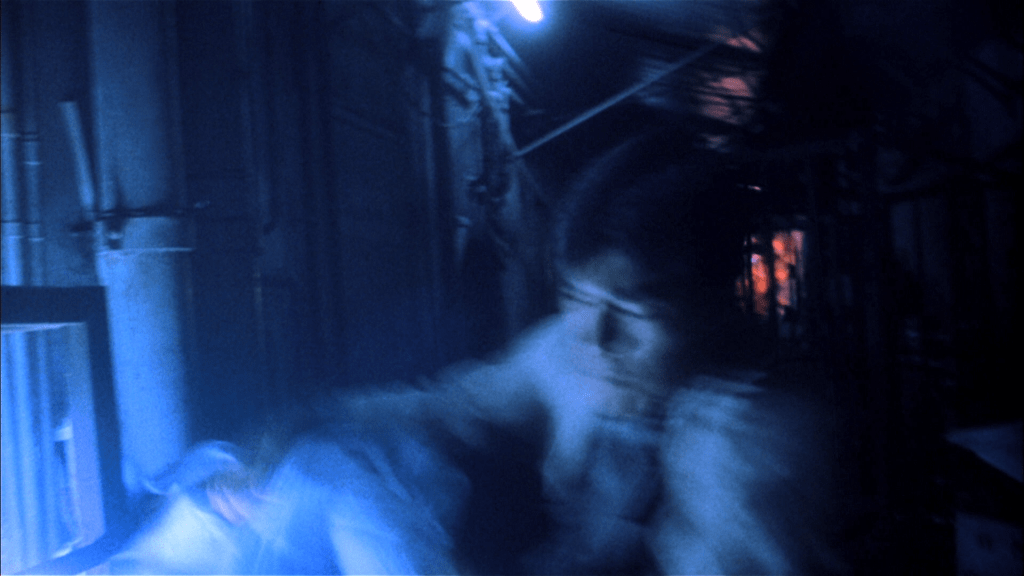
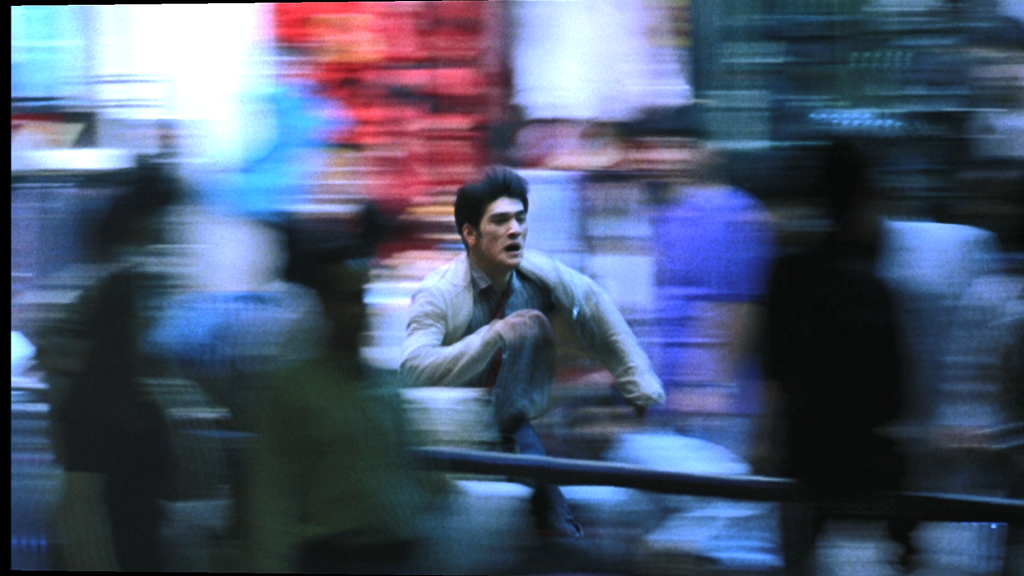
It is impossible to discuss Chungking Express without mentioning cinematographer Christopher Doyle. Beginning with a kinetic chase scene shot with an intentionally low shutter speed to create an extremely hazy, swirling effect, this introduction serves as a visible indication of how the story will unfold. The scene is still easy to follow because the camerawork is not obscuring the action.

This low shutter speed filming returns in a scene where Cop 223 is subduing a suspect about 17 minutes in. Another scene 21 minutes shows Brigitte Lin being hounded by the immigrants she tried to help because she kidnapped one’s daughter. However, the most striking use is at the very beginning of the film — a sequence of Cop 223 running through a crowd along a sidewalk — that also showcases the technique of step printing, which involves duplicating film frames to simulate slow motion.

This technique is largely absent from the more naturalistic second half albeit for a brief moment where Cop 223 is enjoying a cup of coffee as Faye watches while people pass by in the foreground.

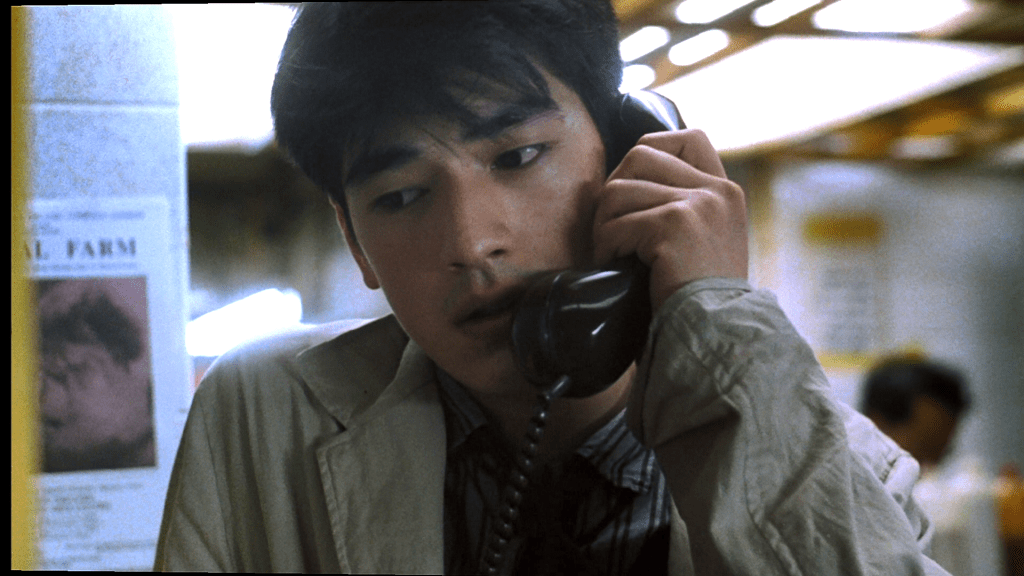
The sound design is minimal, but there are repeated occurrences of music that begin diegetically and become non-diegetic, and vice versa. The second musical piece in the film — a Hindi song representing the Indian immigrants that Brigitte Lin’s femme fatale character is trying to find illegal work for in Hong Kong — stands out as a song that is always purely non-diegetic the multiple times it is heard. It’s a trait that is shared by a breezy horn piece that marks the beginning of the finale of Cop 223’s saga as he awakens early in a hotel room with Brigitte Lin to clean her shoes as she sleeps. The leitmotif of the first half of the film, “Things in Life” by Dennis Brown serves almost as a narration for Takeshi Kaneshiro’s Cop 223 and his story arc. “It’s not every day we’re gonna be the same way/There must be a change somehow” is the opening line appropriated as a refrain; Cop 223 insists on eating canned pineapples until 1 May in the hopes that his ex-girlfriend May will return to him. It equally applies to Brigitte Lin’s character as she increasingly sees the dead end her criminality will lead to; in an incredibly poignant moment, the lyric “there must be a change somehow” is sung as Brigitte Lin’s character makes a life-changing decision.

This musical matching is repeated when Dina Washington’s “What a Difference a Day Makes” plays non-diegetically when Cop 663 confronts Faye in her restaurant the day after he caught her having broken into his apartment, but he’s not upset with her like he was the previous day. In much the same way, “California Dreamin’” turns up in the second half (alternating between diegetic and non-diegetic) whenever Faye becomes listless. It’s a great use of sound and music to emphasize the character’s untamed spirit. When Cop 663 runs into his ex-girlfriend again in a convenience store, there is no music and very little ambience, a silent but only slightly awkward encounter as he’s already beginning to be at peace with Faye in his life.

There is very little symbolism or metaphor to decipher. What you see is what you get and sometimes asking questions only complicates matters. Sometimes, you have to surrender yourself to a narrative and accept what is front of you. Could Faye and her unorthodox behavior really help Tony Leung’s Cop 663 get over his flight attendant lover leaving him? Why should you care when you get a glimpse of the famous Central–Mid-Levels escalator?

Chungking Express is an exploration of obsession. Cop 223’s obsession with his ex-girlfriend May and Brigitte Lin, Cop 663’s obsession with his ex-girlfriend, Faye’s obsession with Cop 663 and the song “California Dreamin’,”and perhaps an obsession with escaping. Cop 223 wants to escape his feelings for May, Cop 663 wants to escape the memories of his relationship with Valerie Chow’s flight attendant, and Faye wants to escape Hong Kong to see the world.

This is not a film that the average moviegoer can simply sit down to watch and understand. Roger Ebert described Chungking Express as a film you watch and “enjoy it because of what you know about film.”[1] I have to agree with that, given what the typical reactions have been from my classmates who are unfamiliar with cinema of this nature.


[1] https://www.rogerebert.com/reviews/chungking-express-1996

When I first saw Karl Markovics’ directorial debut Atmen (English title: Breathing), a 2011 Austrian film about a juvenile inmate who slowly learns to empathize with others, I remarked to my friend  that as I get older I’m increasingly of the mindset that some movies try only to entertain you while others try to change your life. Chungking Express is at first a challenging but rewarding viewing, although the challenge diminishes with repeated viewings and the rewards increase exponentially. Like Atmen, Chungking Express is not trying to entertain you.

5/5

Chungking Express
102 minutes
1.78:1 AR
In Cantonese with English subs
Written/dir. by Wong Kar Wai
Cinematography by Christopher Doyle and Andrew Lau
Released 14 July 1994
Hong Kong production
Blu-ray Disc from Mei Ah Entertainment

10 Favorite Black and White Films 2010-2019

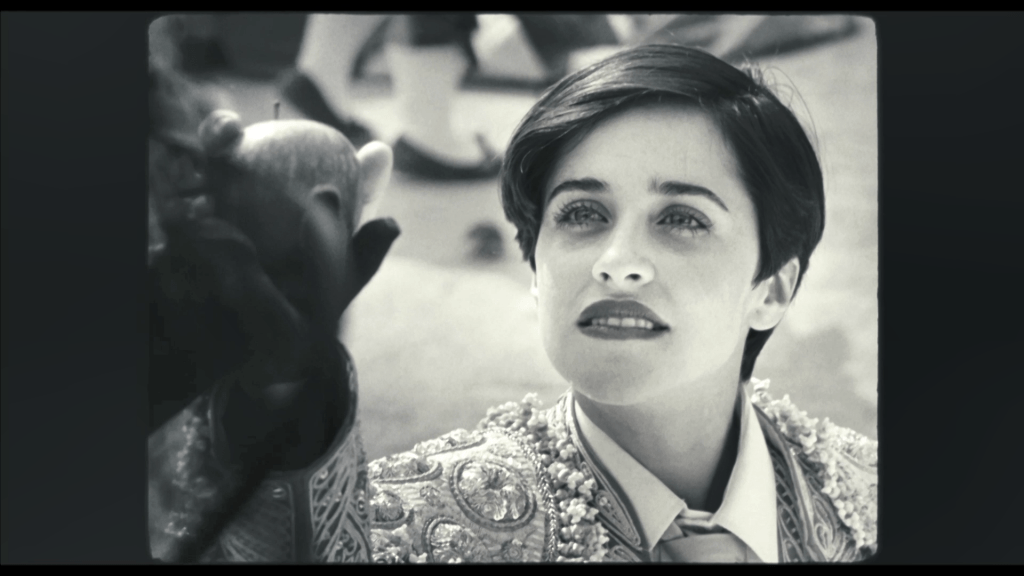
Blancanieves, dir. by Pablo Berger (2012, Spain)

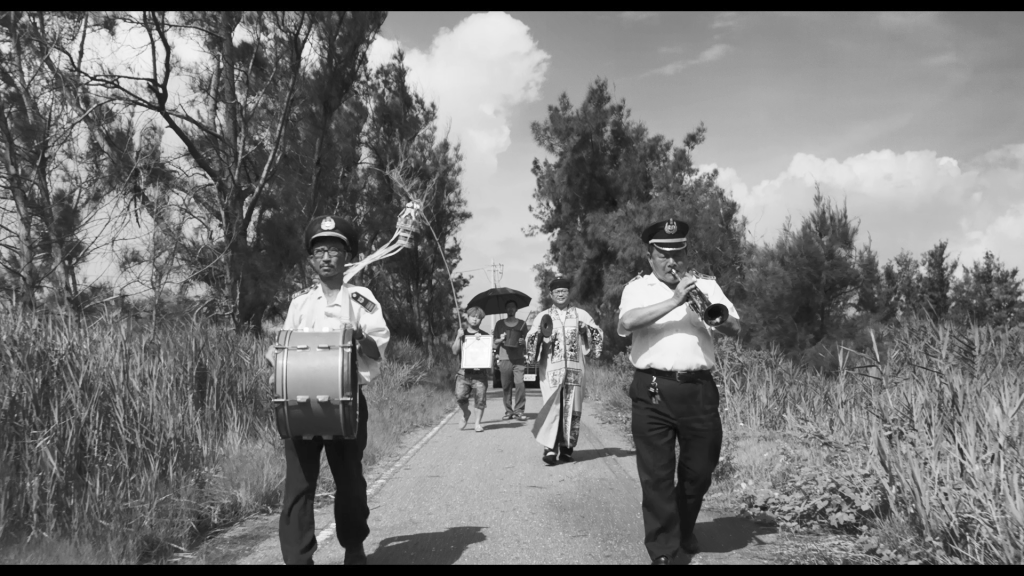
The Great Buddha+, dir. by Huang Hsin Yao (2017, Taiwan)

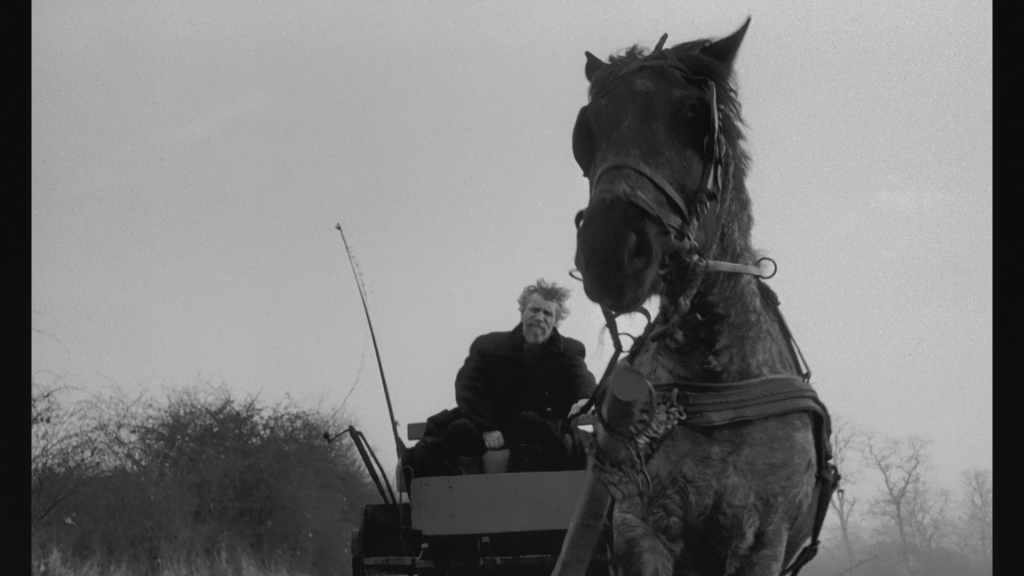
The Turin Horse, dir. by Béla Tarr (2011, Hungary)

Vazante, dir. by Daniela Thomas (2017, Brazil)

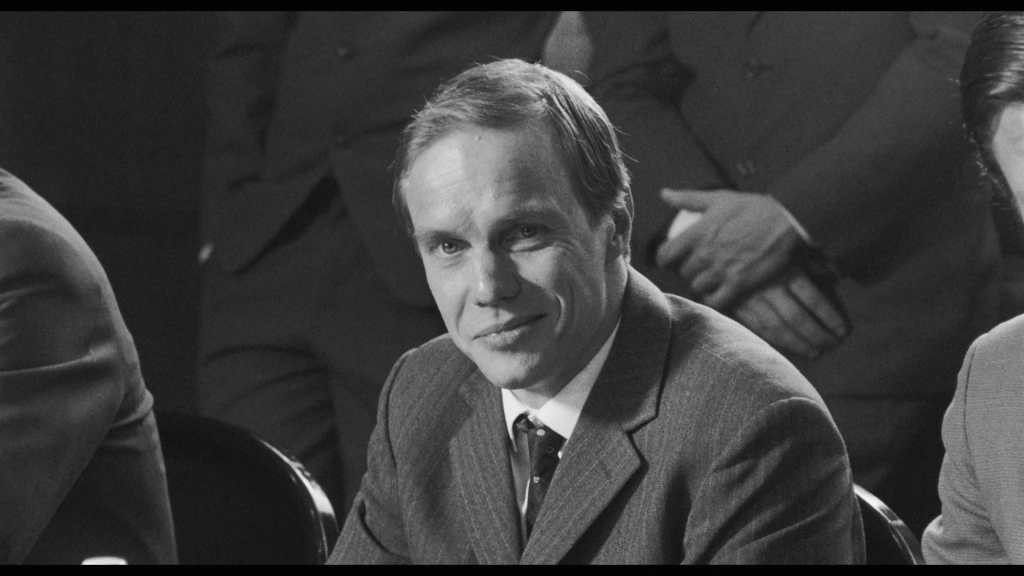
The Happiest Day in the Life of Olli Mäki, dir. by Juho Kuosmanen (2016, Finland)

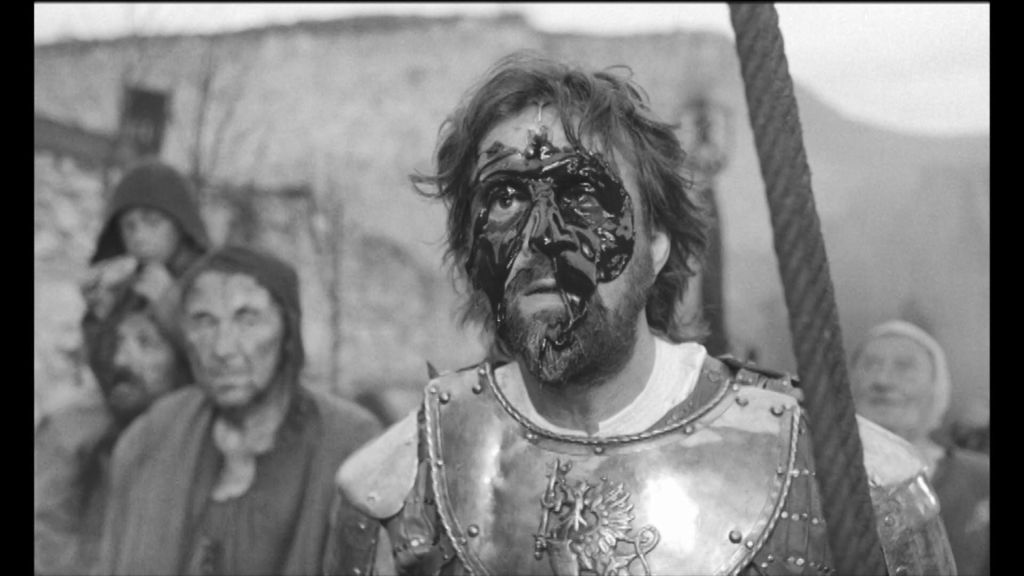
Hard to Be a God, dir. by Aleksei German (2013, Russia)

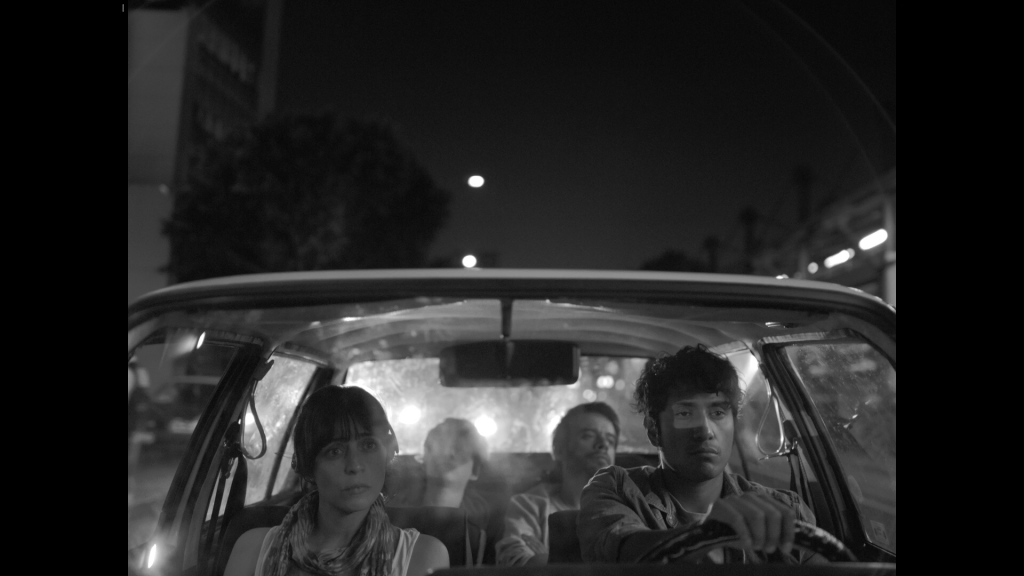
Güeros, dir. by Alonso Ruizpalacios (2014, Mexico)

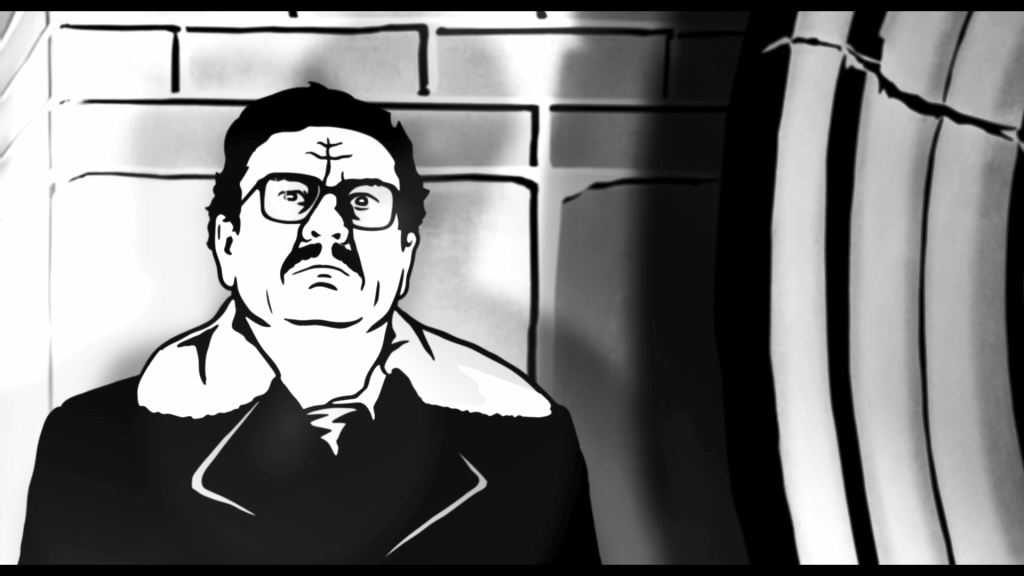
Alois Nebel, dir. by Tomáš Luňák (2011, Czech Republic)

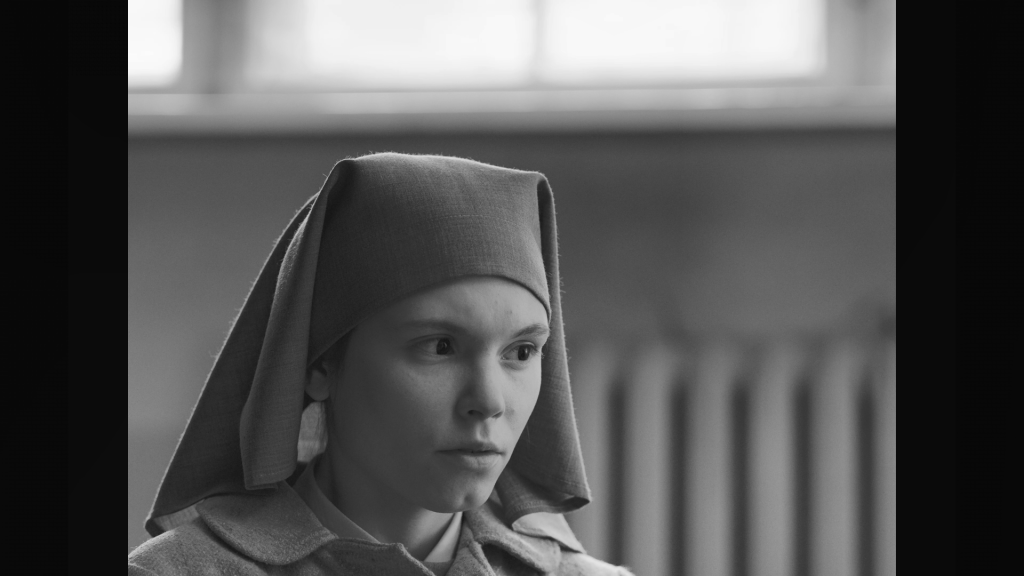
Ida, dir. by Paweł Pawlikowski (2013, Poland)

Cold War, dir. by Paweł Pawlikowski (2018, Poland)

Design a site like this with WordPress.com
Get started