A poignant, warm drama depicting the lives of a small, tight-knit group of Sino immigrants in New York City, Constance Tsang’s calmly paced and tender directorial debut is remarkable in its artistry and focus.
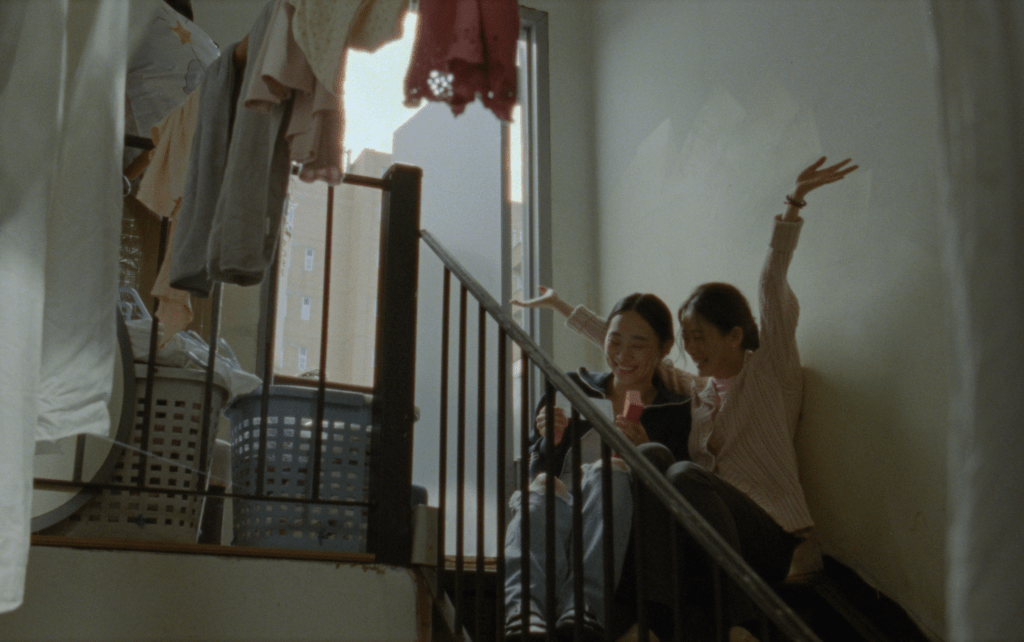
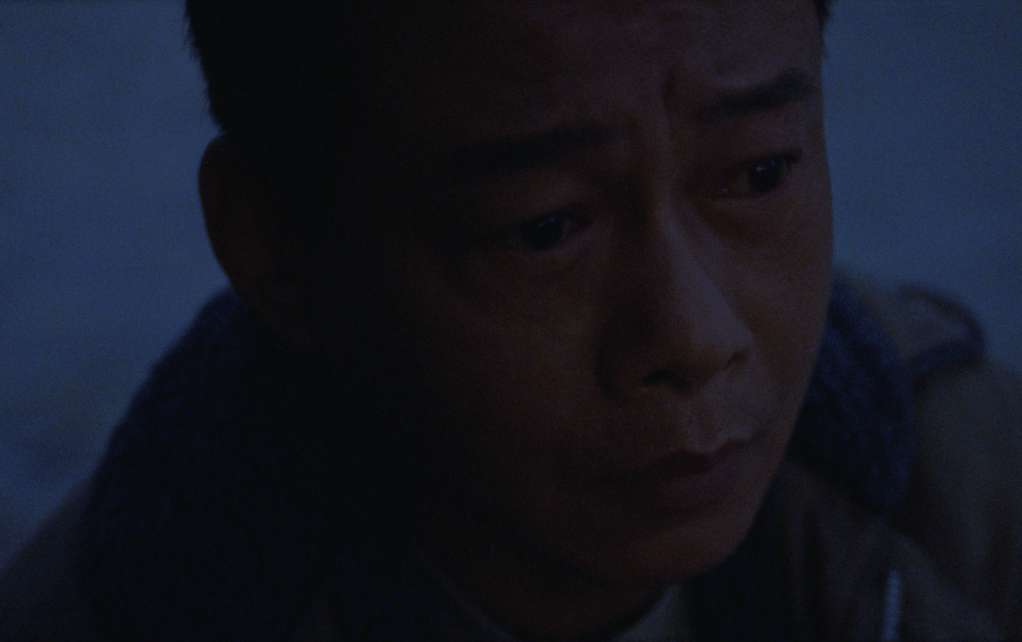
Lee Kang Sheng is Cheung, revealed to be separated by physical distance from his wife and consequently growing emotionally distant from her as well. He spends his nights dining with Didi (Xu Haipeng), a masseuse who reciprocates his romantic interest, while they discuss their meal and its intricacies. Cheung is clearly a lonely man. Does Didi fill a void for him, or has he found a person he truly connects with and he shows genuine kindness to?
Didi is an experienced masseuse who is a sort of mentor and guardian to her friend and colleague Amy (played by Wu Ke Xi with heartbreaking and graceful complexity). Didi and Amy hope and dream of leaving the tiny massage parlor in Flushing, Queens and going on to open a restaurant in Baltimore, Maryland. Tragedy unfolds during a robbery, however, and that dream is put on hold, but eventually, hope springs eternal.
One of my favorite quotes by Roger Ebert which I’ve mentioned before is that movies “are like a machine that generates empathy” for people who were born into different circumstances from the audience. I always come back to that quote with movies like Blue Sun Palace. These immigrants have found hard work for little pay, and are frequently abused by customers aware of the illegality of sex work in massage parlors but insist anyway, despite the parlor stressing that sex work will not be offered, only for these customers to constantly fail to pay the full amount promised for the act they demanded from the masseuse. I can’t imagine the film strays too far from the reality of this experience. It’s infuriating to see, but the anger gives way to sorrow as these workers don’t seem to have any recourse. Justice denied, dreams deferred. Life is hard and brutal.
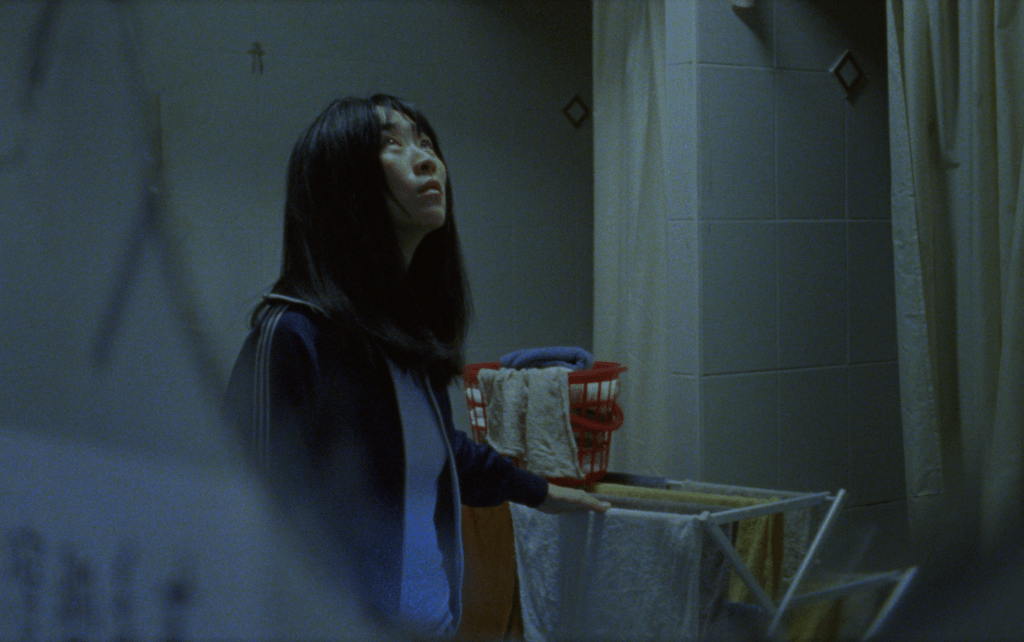
Premiering at Cannes on 19 May 2024, it was released in theaters on 25 April 2025.
Shot on 35mm film, the cinematography is gorgeous. Even within the limited confines of the massage parlor, with its cold walls and atmosphere, there is a beauty that is hard to explain. I’m not even a “film is always better than digital” guy, but 35 was so obviously the right choice for this work. The film itself is as minimalist as the massage parlor’s decor; a decision that does well to emphasize the melancholy and loneliness the characters face. Yet, the warmth the characters bring to each other’s lives goes a long way to counter the oppressiveness of their squalid surroundings. These sensitive people care for each other, and maybe one could argue that they have to, but they uplift each other, cook for each other, help with cleaning and laundry, check on each other. It’s not just the bare minimum. As cruel as some of the patrons of the massage parlor can be, the workers counter that by trying to make each other happy. I should clarify that I was so moved by the film that I saw it twice in the same theater on consecutive weekends.
I won’t go so far as to say the film is slow paced, because slow can sometimes be a pejorative. It is a measured pace, and the film takes the time it needs, indeed the time the audience needs, to depict these lives and their trials. The characters take the time they need to talk to each other about their dreams, and they never know how much time they have, but they always make time for each other. They help each other navigate grief and love. These are regular people on display and it is incredibly profound. The film’s naturalism is a stunning achievement. Dreams and desire, desolation and depression, happiness and helplessness; the shifts between them are hard to navigate sometimes. I guess now I’m talking about life more than the film now.
5/5
Blue Sun Palace
Written and directed by Constance Tsang
 The Seeming and the Meaning
You must be logged in to post a comment.