An incredible cast, a great Taiwanese director, and remarkable production values from a co-production by heavyweights featuring HBO Asia, among many others. Unfortunately, it all let down by the absolutely incompetent storytelling decision to use dialog that is probably around 90% expository. Where did it all go wrong?
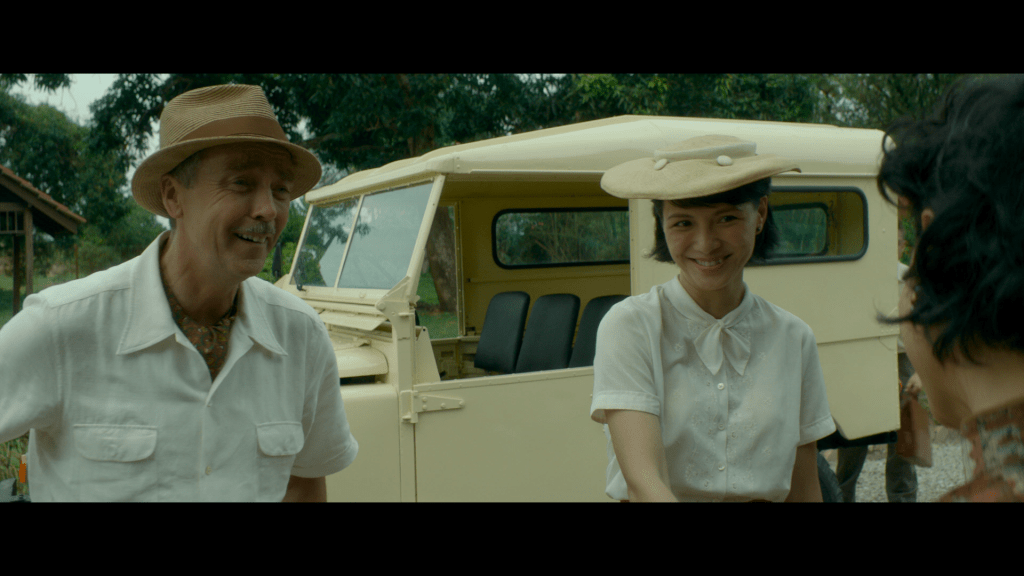
Sylvia Chang, Malaysia’s Angelica Lee or Lee Sinje if you prefer, Japan’s Abe Hiroshi, England’s Julian Sands, Scotland’s John Hannah, among many other stellar actors. If nothing else, the chemistry and prowess of these performers is worth watching, but still. I haven’t read Tan Twang Eng’s novel of the same title which the film is adapted from, but if the characters’ dialog was lifted stage from those pages, then I doubt I would ever be interested in reading it. Characters will explain their relationships with other characters just before or after a flashback that shows said relationship develop. Or worse, they will explain the significance of some event or location before or after that significance is depicted to the viewer. The characters might as well break the fourth wall and do comical asides while pointing to a map of the plot.
How Tom Lin went this direction embracing so much telling instead of showing I do not understand, as he was previously responsible for Winds of September, Starry Starry Night, and Zinnia Flower; all remarkably original and incredible Taiwaneses films. This was boneheaded decision making writ-large and it scuttles any potential gravitas the film could offer, which is such a shame and disappointment because there are so many other positive attributes of the film to recommend besides.
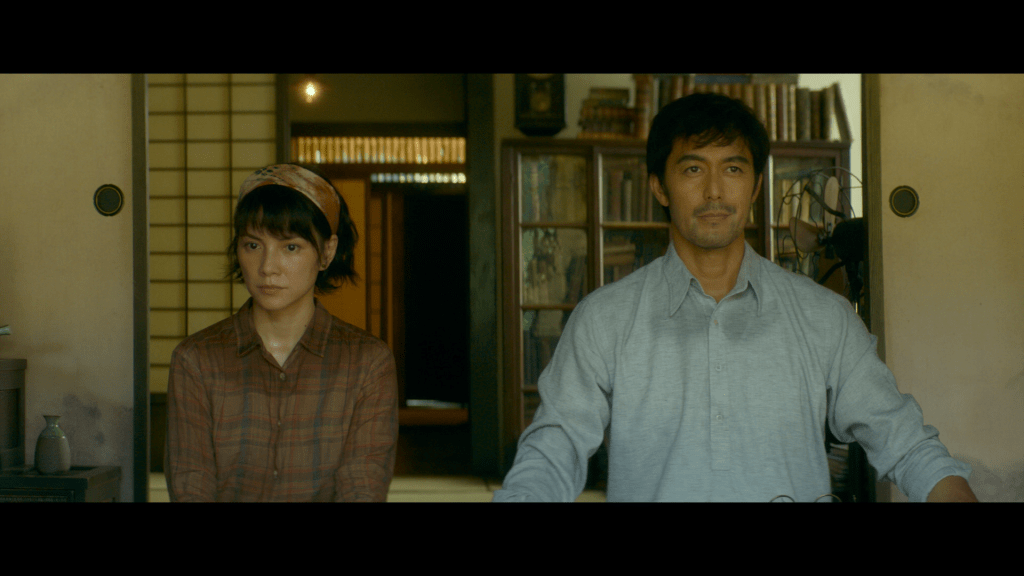
Set and filmed mostly in the Cameron Highlands of Malaysia during the Malayan Emergency, the story spans several decades and follows a woman, Yun Ling, who escaped from a Japanese internment camp where the Imperial Japanese Army committed daily atrocities. When the Japanese occupied the British Malaya, the Imperial Japanese Army took Yun Ling’s sister as a comfort woman before eventually slaughtering all the prisoners and comfort women before retreating, except for Yun Ling, held in solitary confinement and forgotten about. Older now, Yun Ling is a lawyer in charge of prosecuting war crimes, with particular interest paid to Japanese soldiers, and during this work would come to apprentice under Japanese gardener Nakamura Aritomo, with a complicated romantic relationship to follow, as Yun Ling had originally sought his help to build a garden in memory of her deceased sister’s wishes.
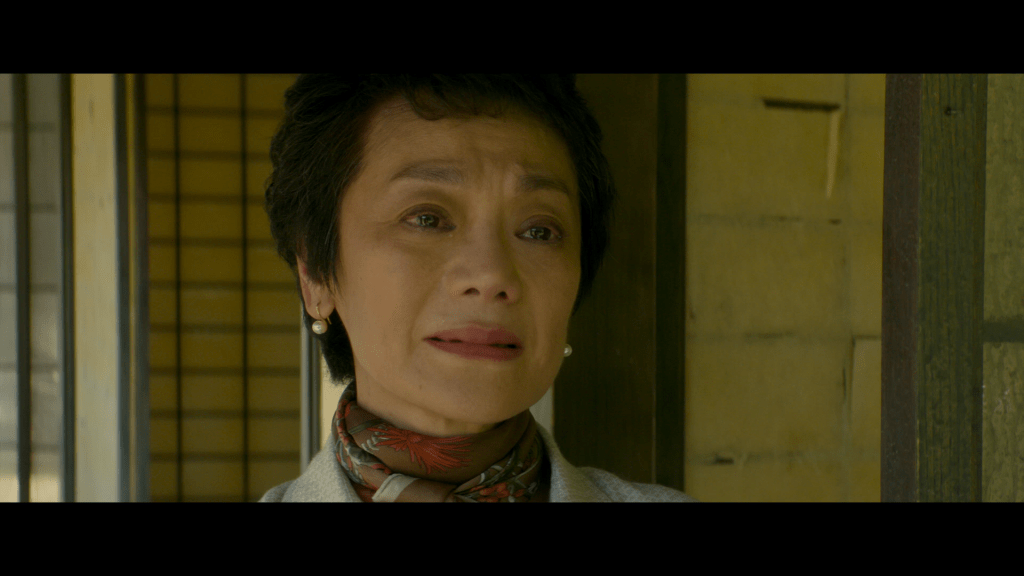
In the present day, Nakamura is suspected of being a spy, and older Yun Ling is on the path to becoming a judge but is forced to confront her memories and buried mysteries, including one connected to Nakamura that could potentially threaten her career. I hope I’ve explained all this in a way that isn’t confusing.

It’s an intriguing, gripping, complex narrative with story beats that are genuinely moving and intense. This is, despite my complaints about the dialog, a well-made film. It is by no means a slouch in any filmmaking departments. The soundtrack isn’t overblown, there isn’t a milking or manipulating of emotional moments, there’s no overacting, so honestly the only downside is the dialog. I don’t want to single anyone out, but the screenplay by Richard Smith may have been simply been a matter of talent being stretched too thin. A multi-decade arc that nearly approaches the scale of an epic is a lot to handle, and again as I haven’t read the novel I don’t know how close the script adheres to the prose, but I felt the amount of exposition rivals anime made for children. That can’t be the film’s target audience, as this is a movie that deals with complicated historical events, comfort women, and war crimes, so whatever the reason was for the dialog choices, I don’t know. On the other hand, considering that was the only disappointing aspect of the film, you could do a lot worse. It is, at the very least, a commendable effort.
The Garden of Evening Mists
3.5/5
Blu-ray Disc from Panorama HK
 The Seeming and the Meaning
You must be logged in to post a comment.