Buddha Mountain (观音山)
105 minutes
China, 2010
5/5
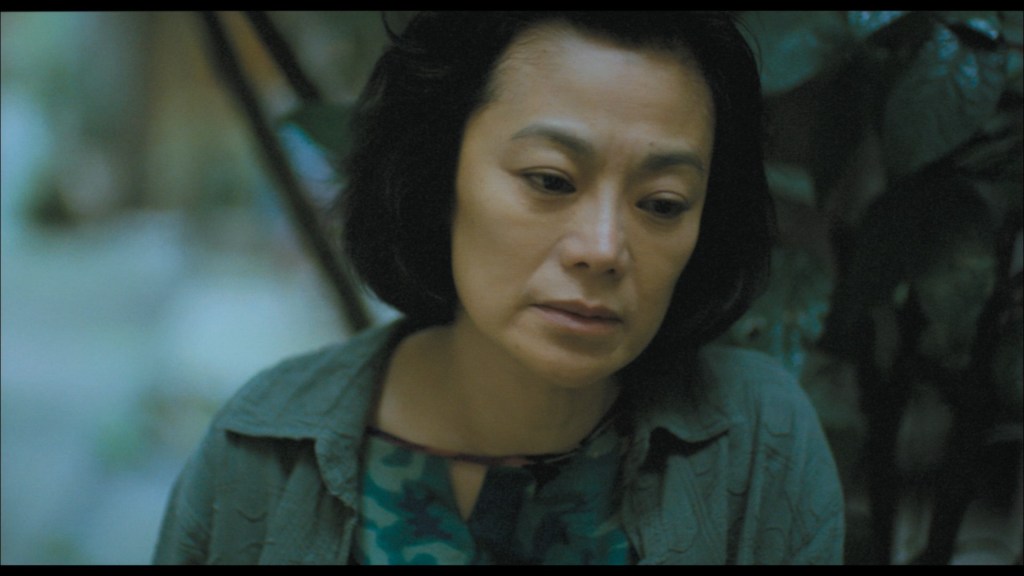
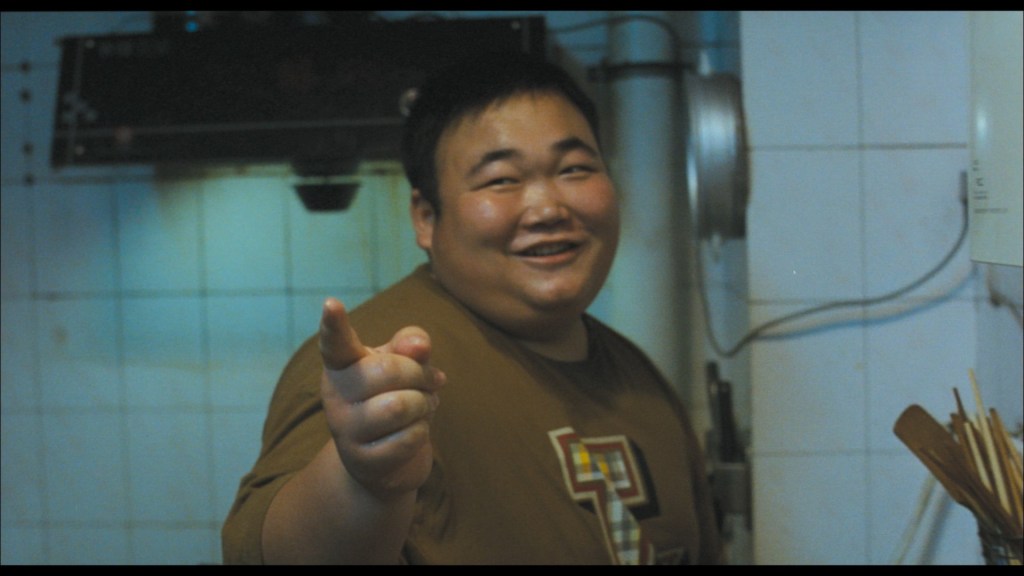
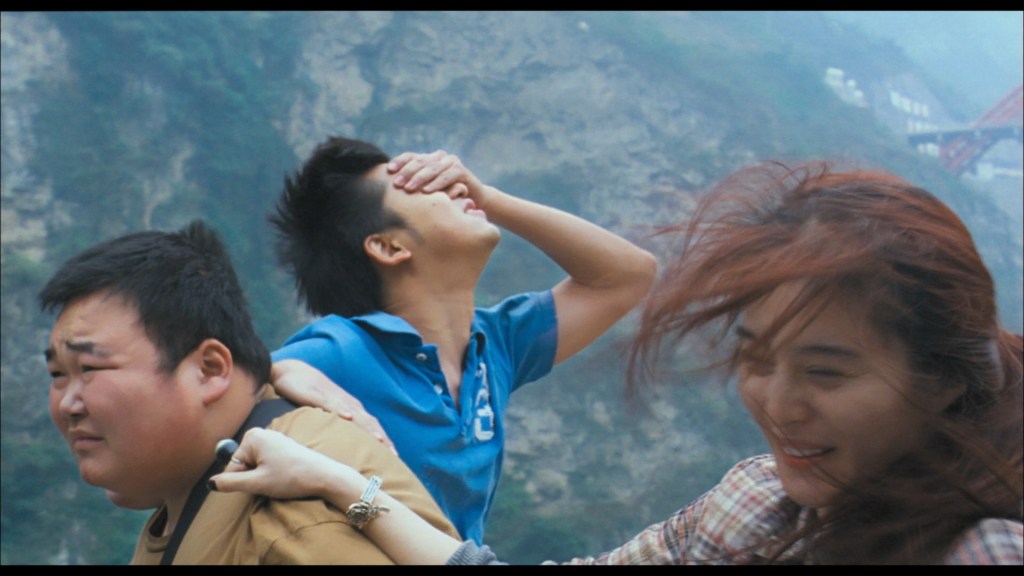
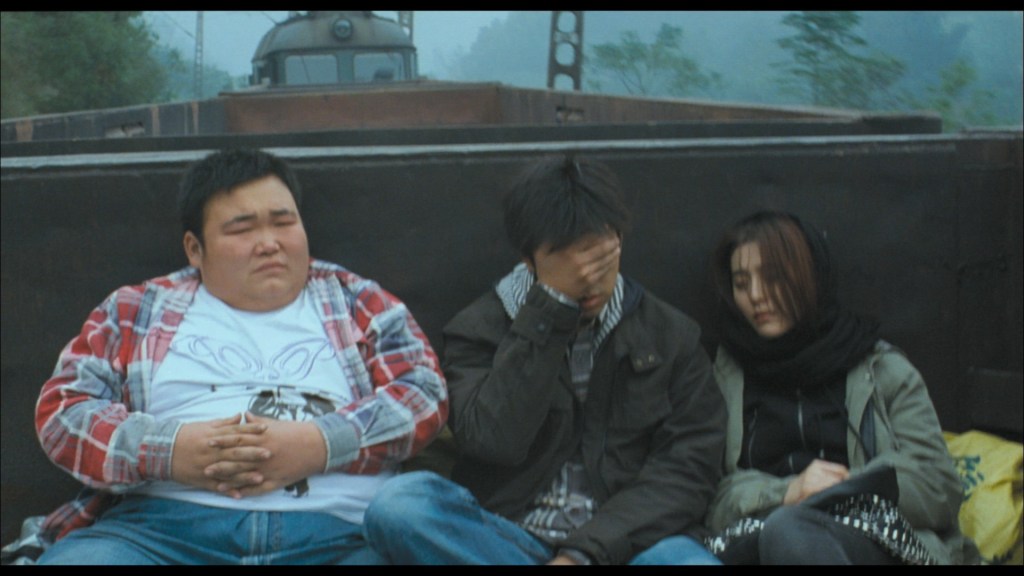
A senior citizen opera singer (played by Sylvia Chang in a heartwarming but devastating flourish) is frustrated by the push for increasingly younger singers who disregard her teaching and direction. Elsewhere, three teenagers (Fan Bingbing, Chen Bolin, Fei Long) resist the pressure to sit for university exams and instead opt to stick together through their admittedly aimless lives. Their bonds of friendship, while tested, are nigh unbreakable and eventually after leaving home they find their way to the opera singer, accepting an offer to rent her spare bedrooms. Broken people meeting broken people and gradually realizing they want to help each other, despite their initial dislike of each other.
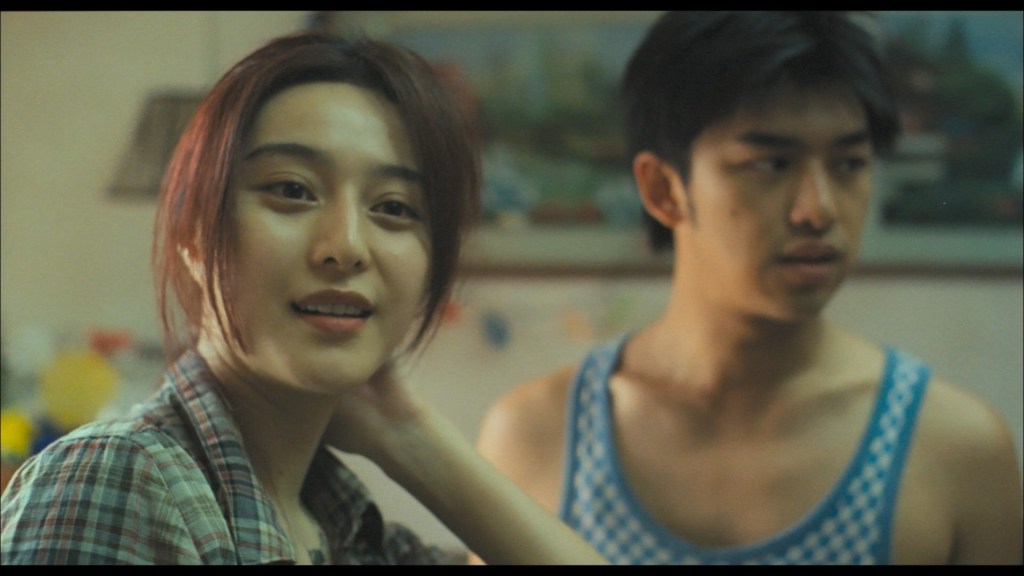
For the 10th anniversary of the release of Li Yu’s film Buddha Mountain, New York-based Cheng Cheng Films has been kind enough to distribute the director’s cut of the film for U.S. audiences. Of all the cinema in modern China, Li Yu is one whom I would consider essential, on par with Jia Zhangke, Lu Chuan, and Lou Ye. Cheng Cheng Films have gone the extra mile and also released Li Yu’s latest film, 2015’s Ever Since We Love.
I first saw Buddha Mountain when I imported the Blu-ray after it was released in Hong Kong in 2011. My impression of the movie has not changed since then. Chinese independent cinema is worlds apart from Chinese commercial cinema, and Buddha Mountain remains, 10 years later, not just a showcase of a strikingly austere and sincere work, but Li Yu’s astute craftsmanship as well.
Note: my experience with the film has always been limited to the international cut, which is what was originally released in HK and what Cheng Cheng Films has released as the director’s cut. The release in China was apparently censored and contains several edits.
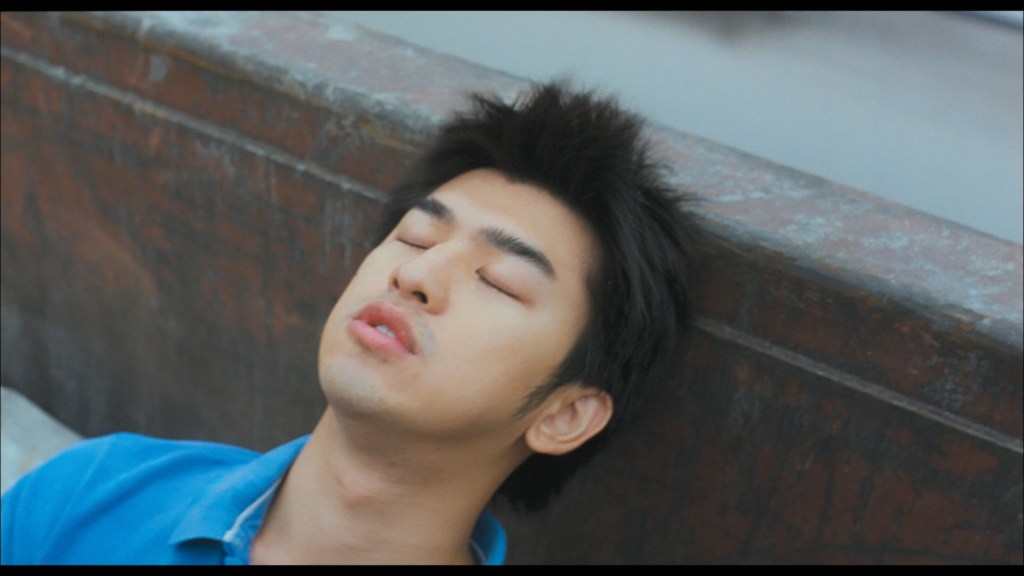
The film is mostly quite understated, and never gets bombastic. There is a delicate touch of melodrama with the characters’ emotional outpourings, but the histrionic overacting and overblown soundtracks typical of mainstream Sino cinema are absent. Li Yu has been very careful to paint her characters with shades of grey, and we observe their growth, emotional fractures, and bonds over time. Of course, a film isn’t just what it’s about, but how it’s about it. How the characters grow, how they bicker, how they strengthen their ties, nothing is shortchanged for the sake of banal elements. Everyone has a trauma they’re dealing with, whether it’s a dysfunctional family grief, debt, bullying. It’s a motif that’s explored for each character without being hammered and establishes the humanist outlook of the film. Buddha Mountain couldn’t possibly have been any better.

 The Seeming and the Meaning
You must be logged in to post a comment.